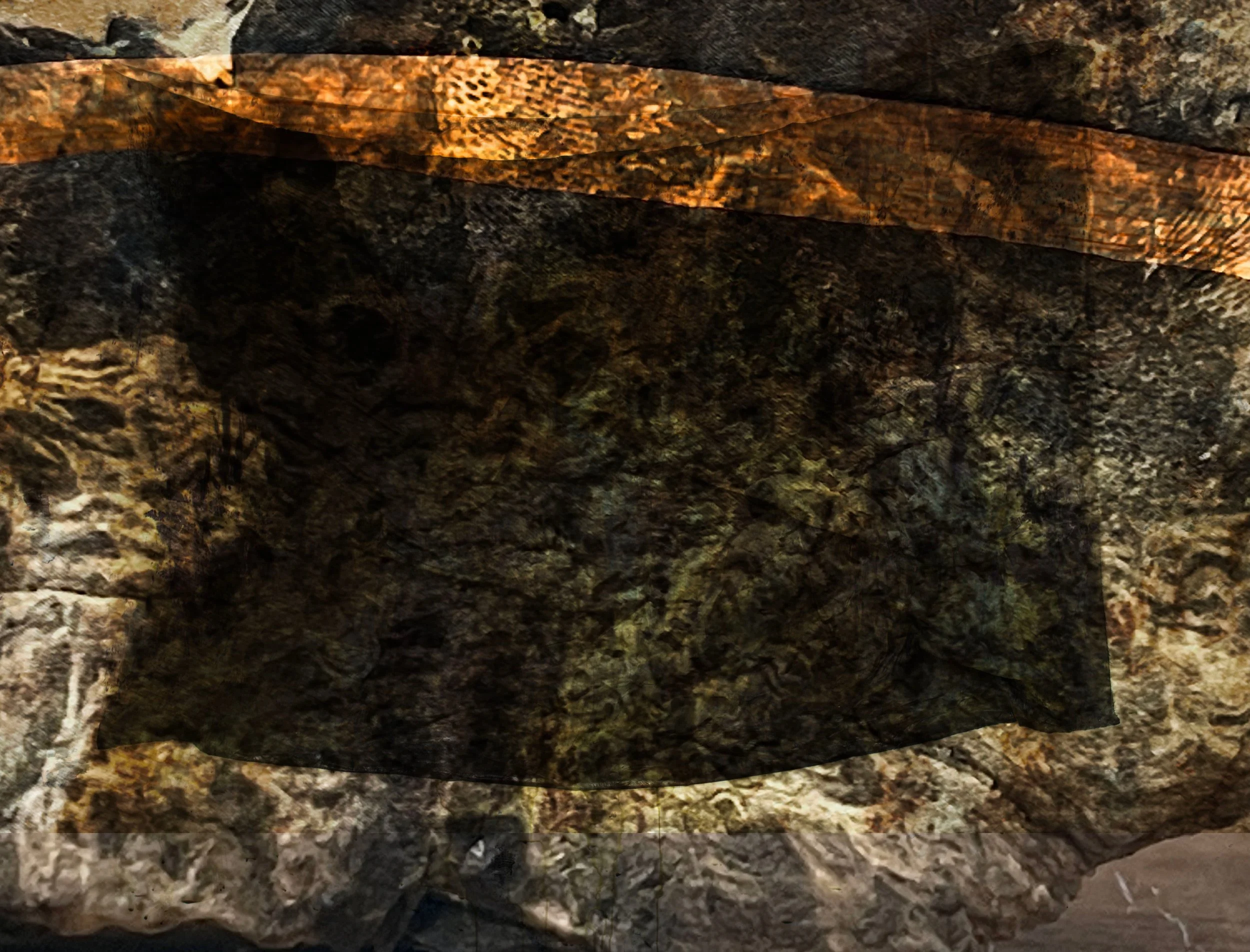
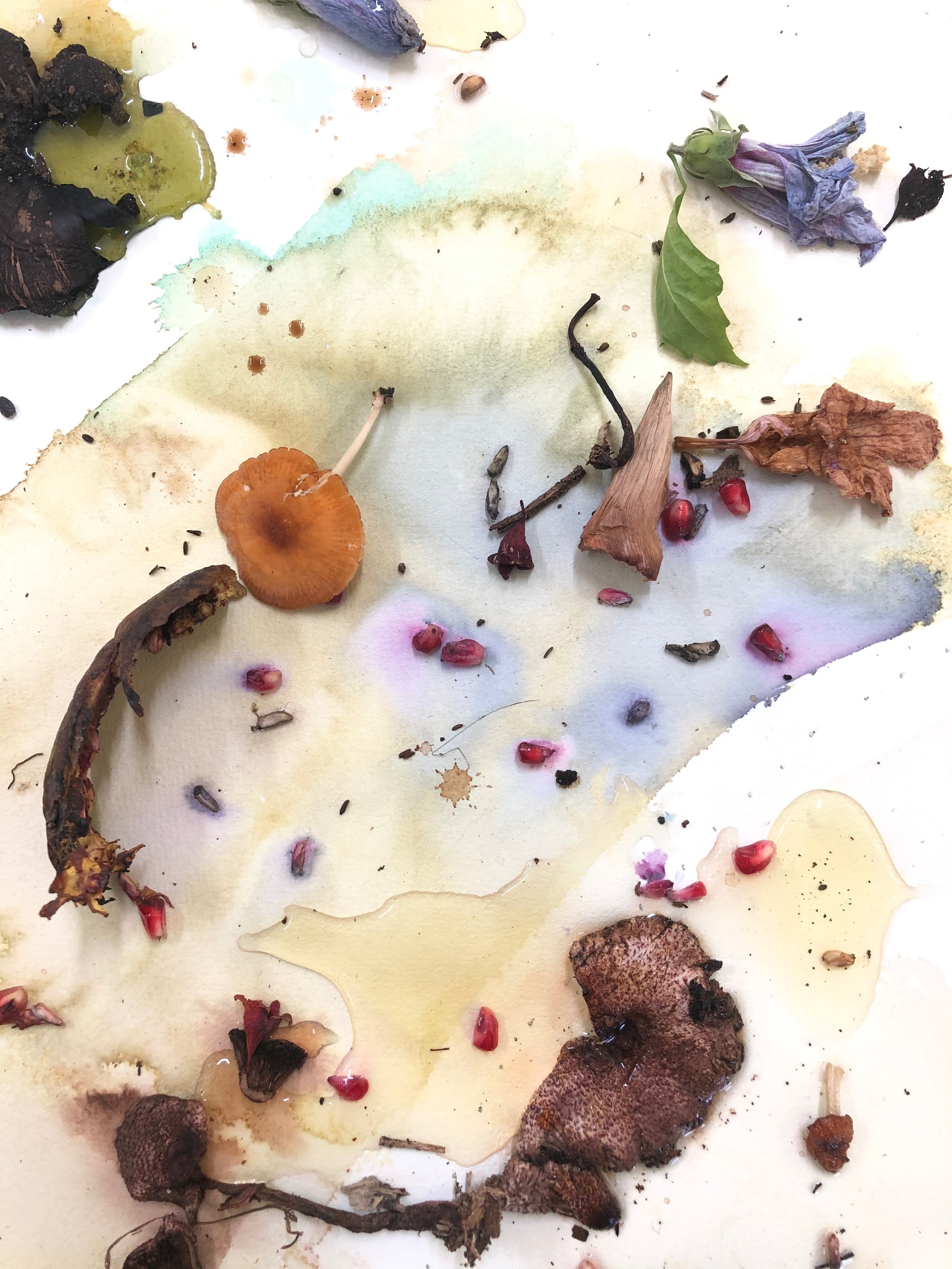
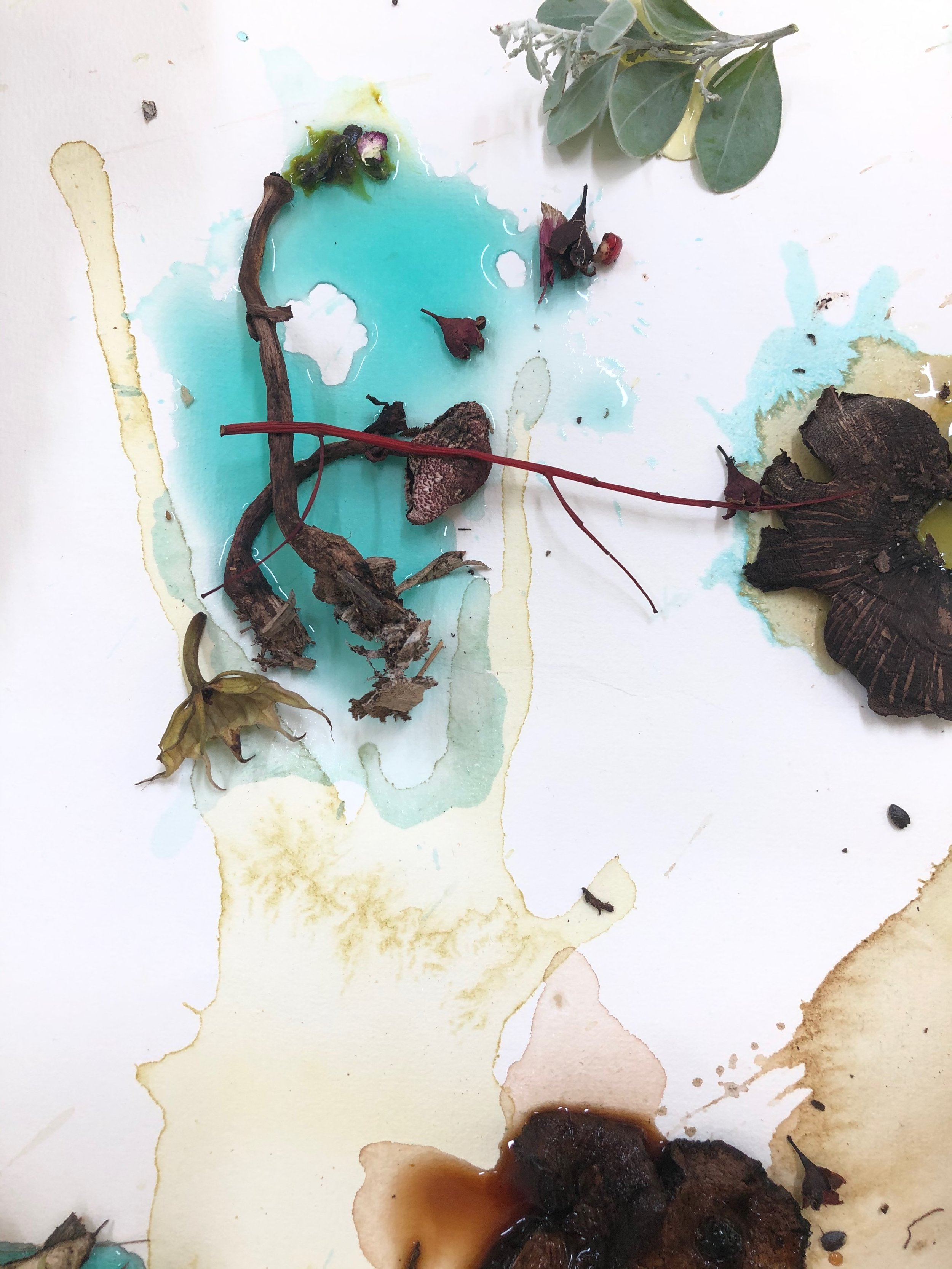
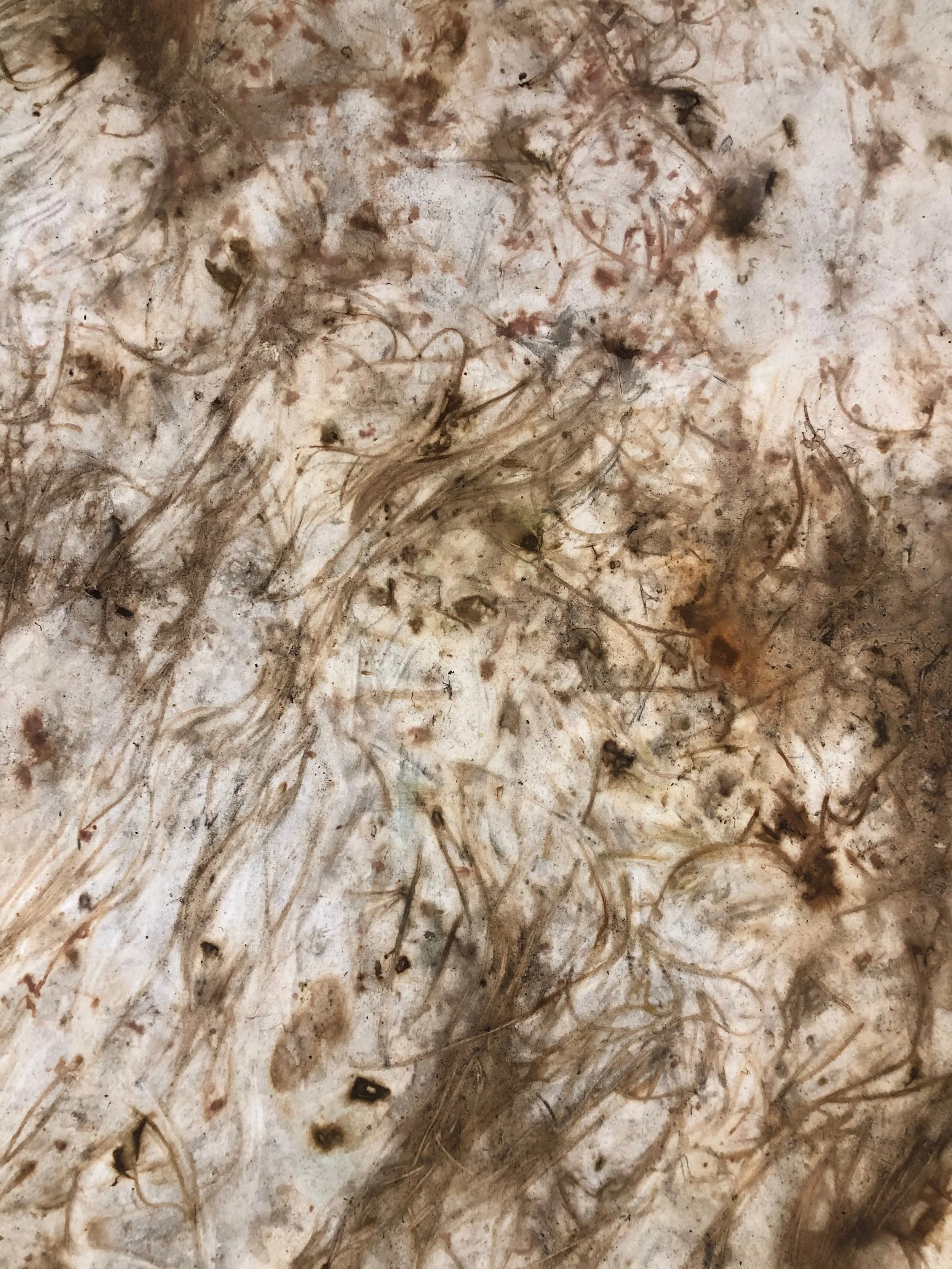
Microbial and Material Intelligences
c. 2019–ongoing
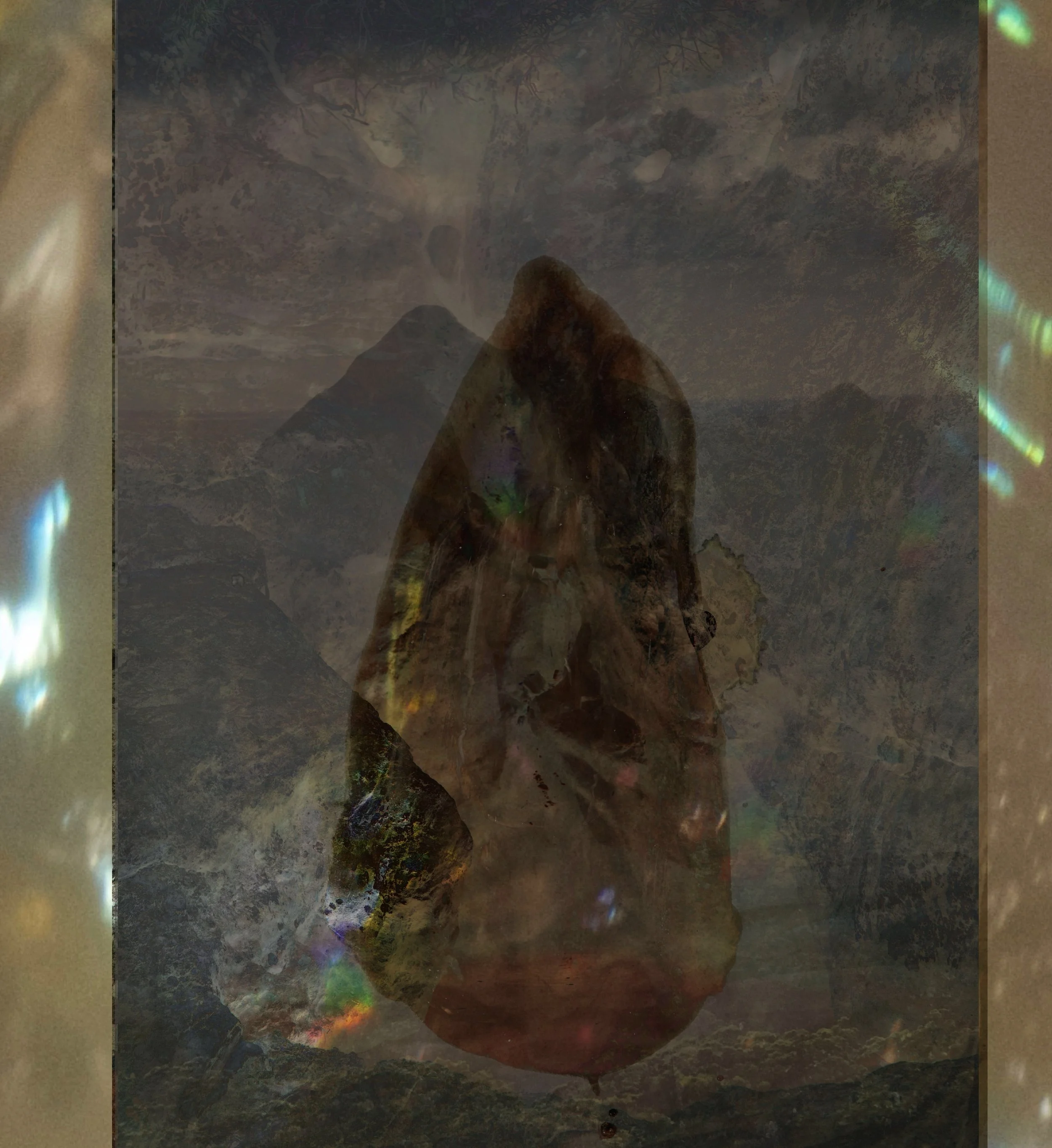
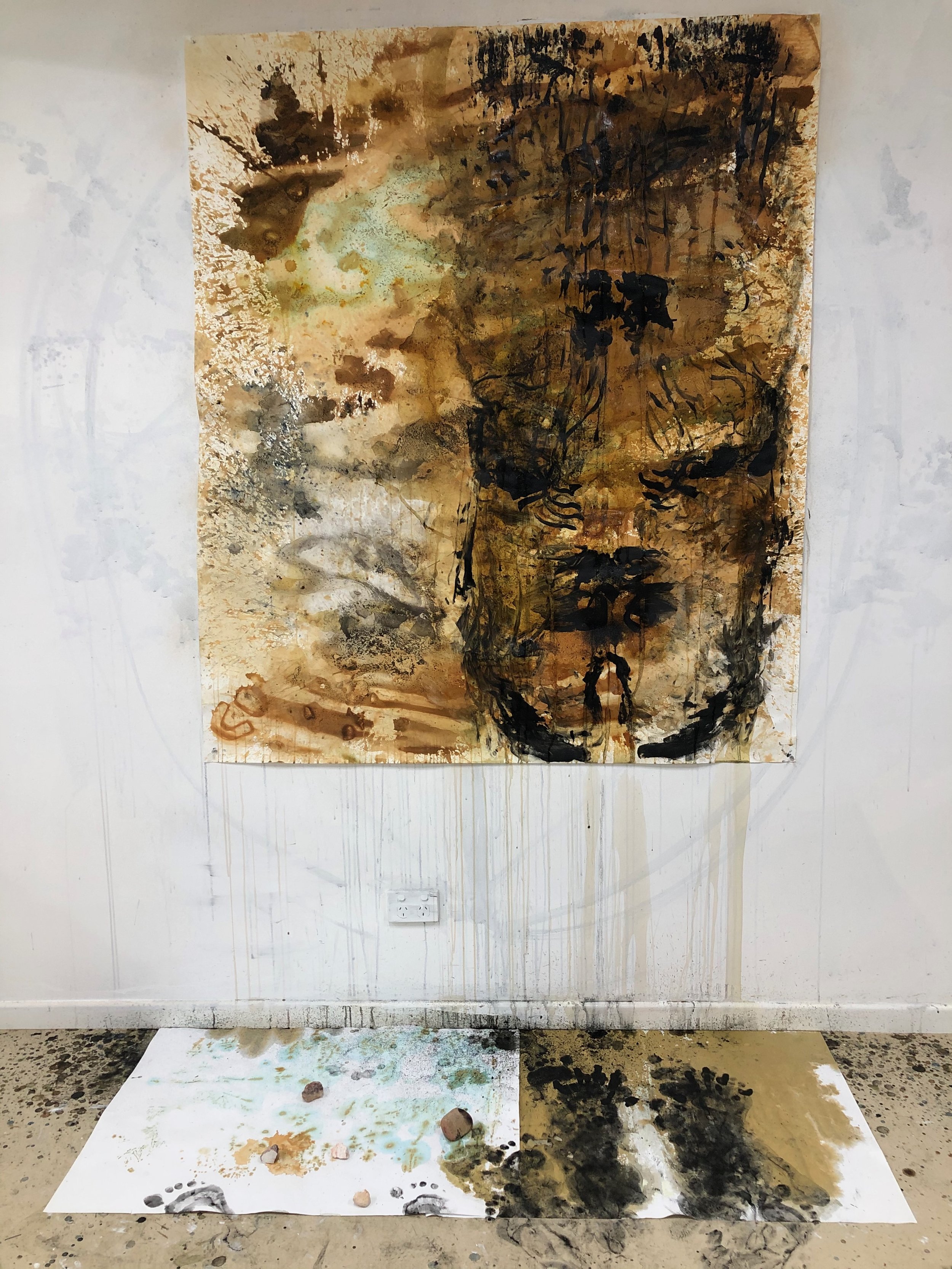
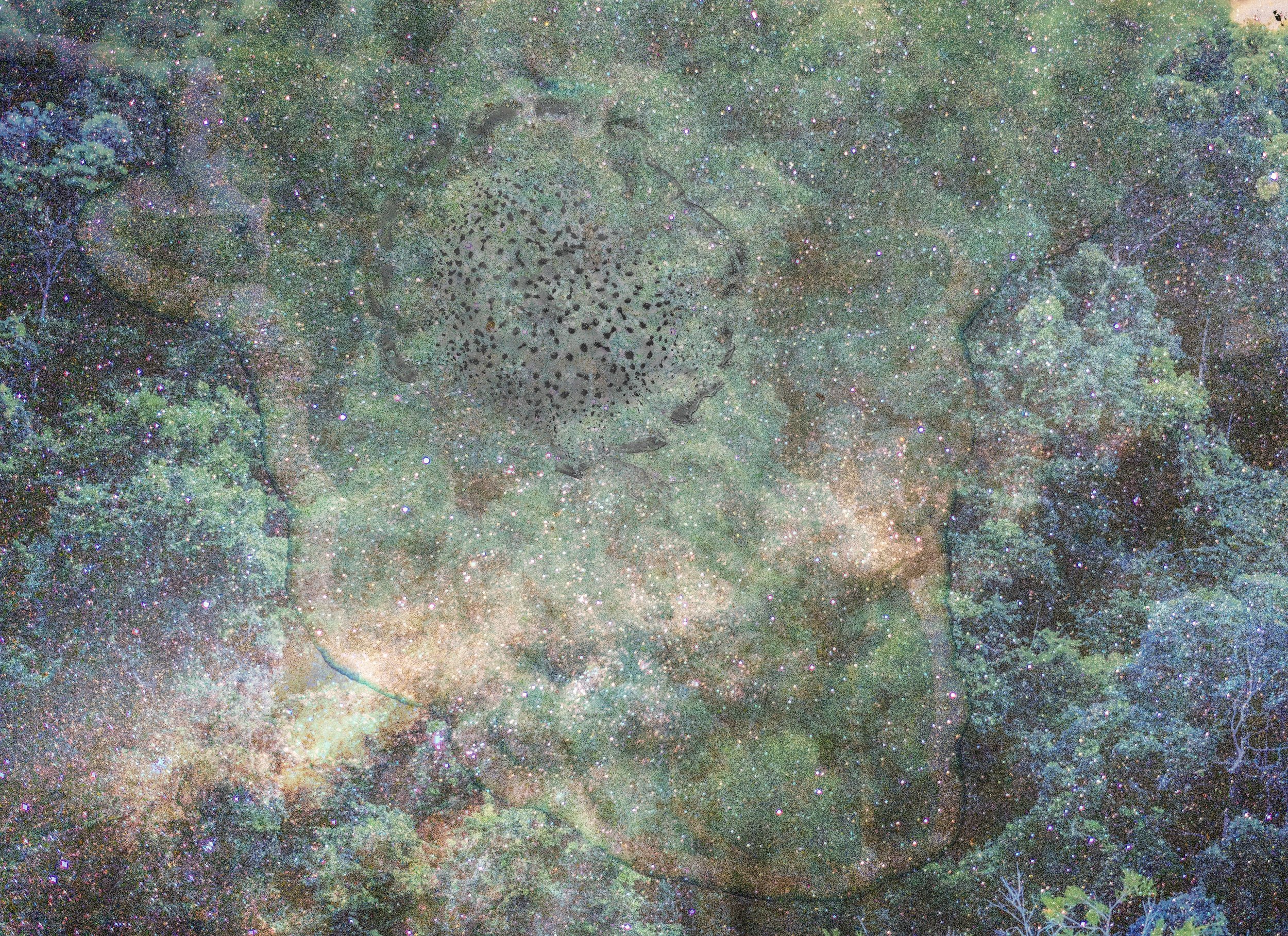
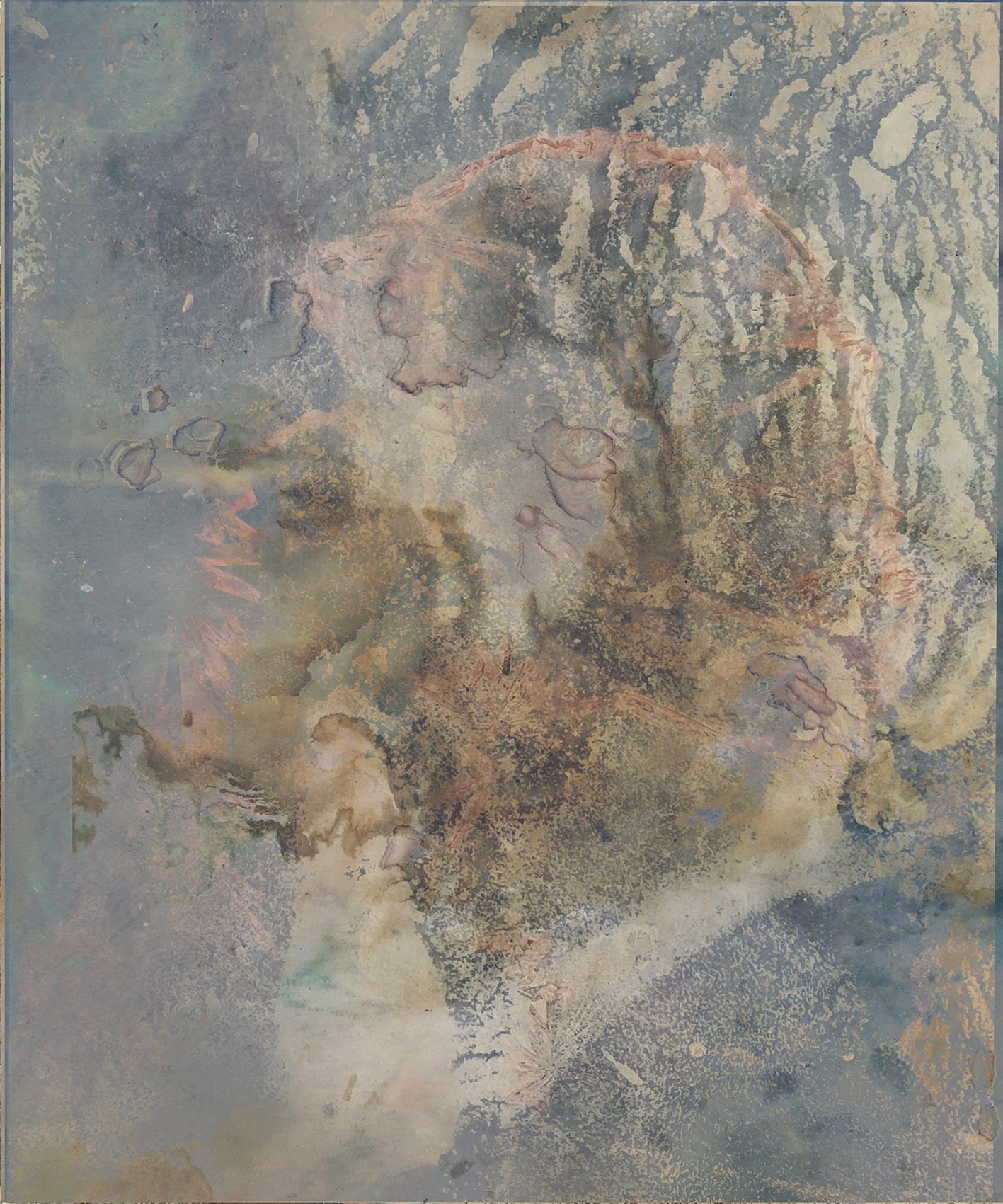
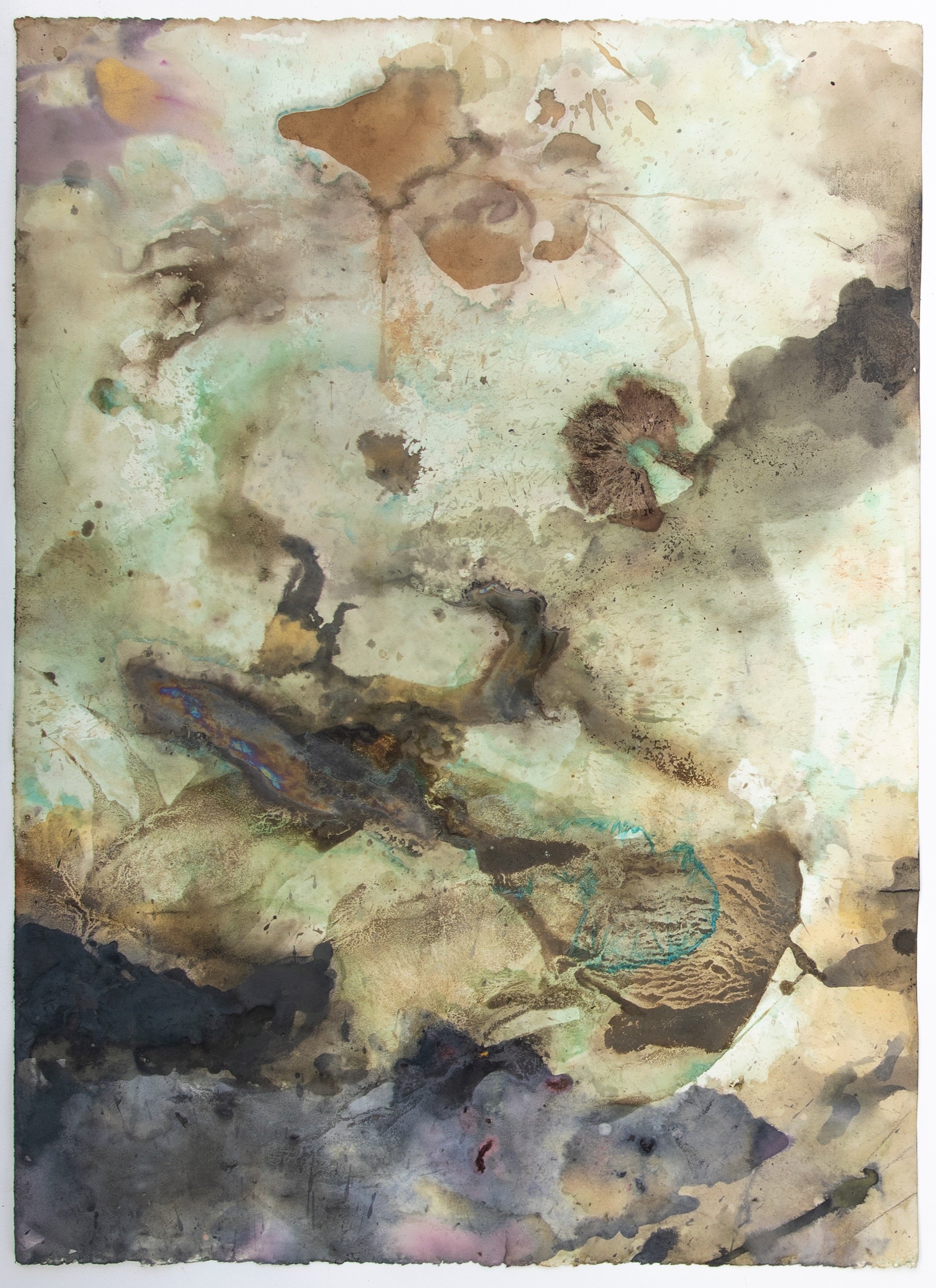
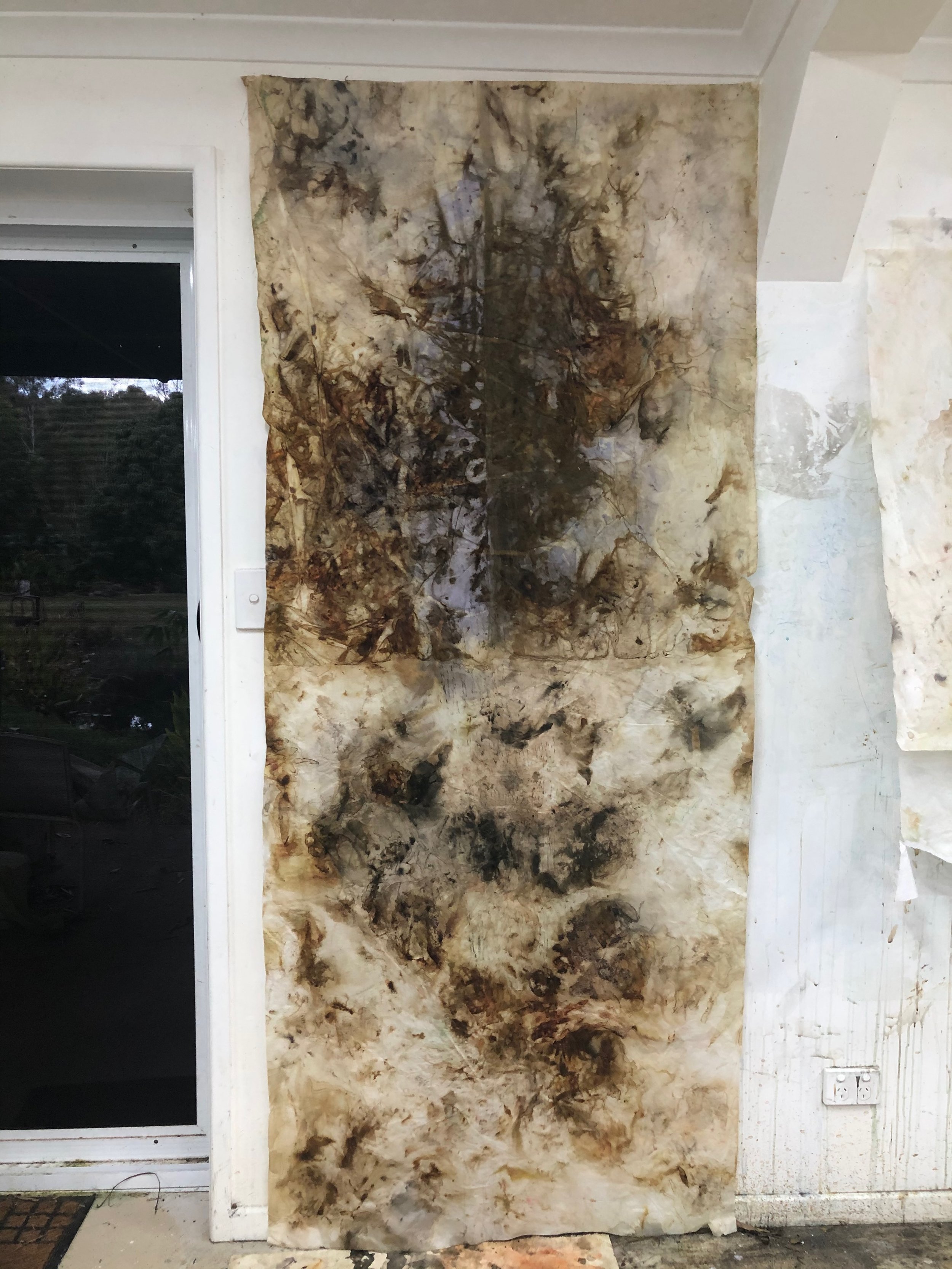
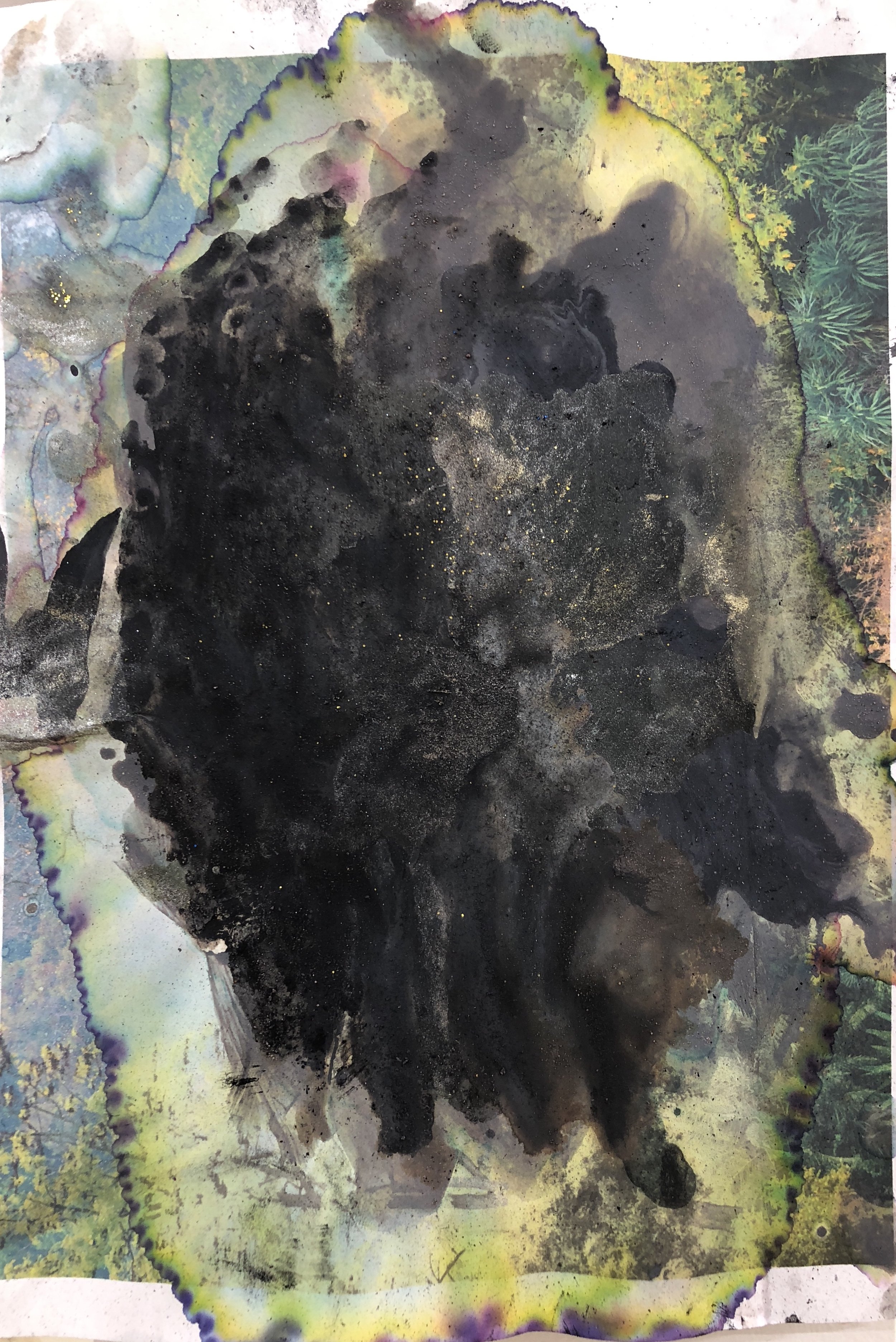
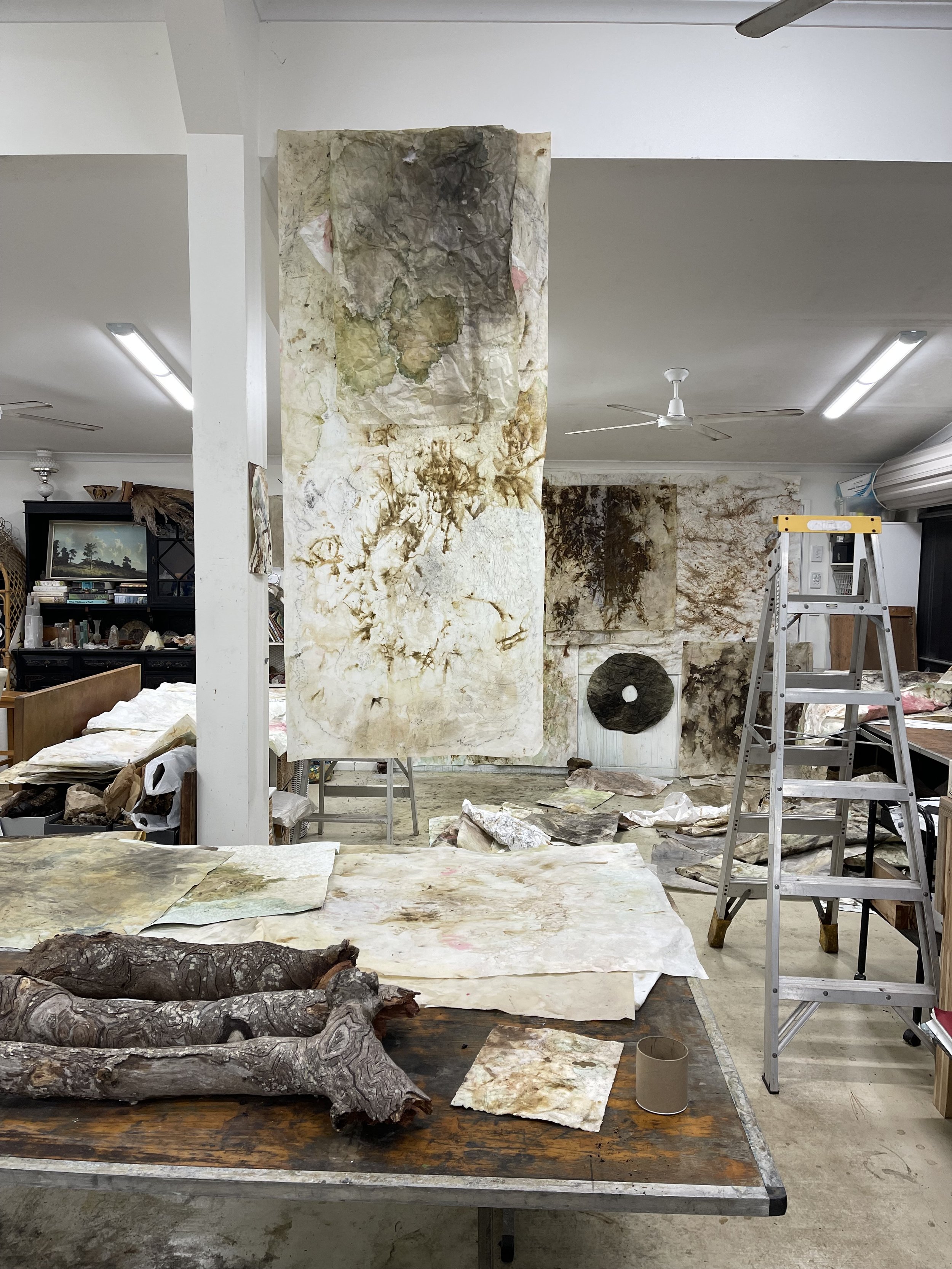
Microbial and Material Intelligences is an ongoing research method that works through collaboration with living matter. It considers multiple realms of intelligence, and how memory and agency operate through microbial life, materials and bodies as negotiated systems rather than controlled forms.
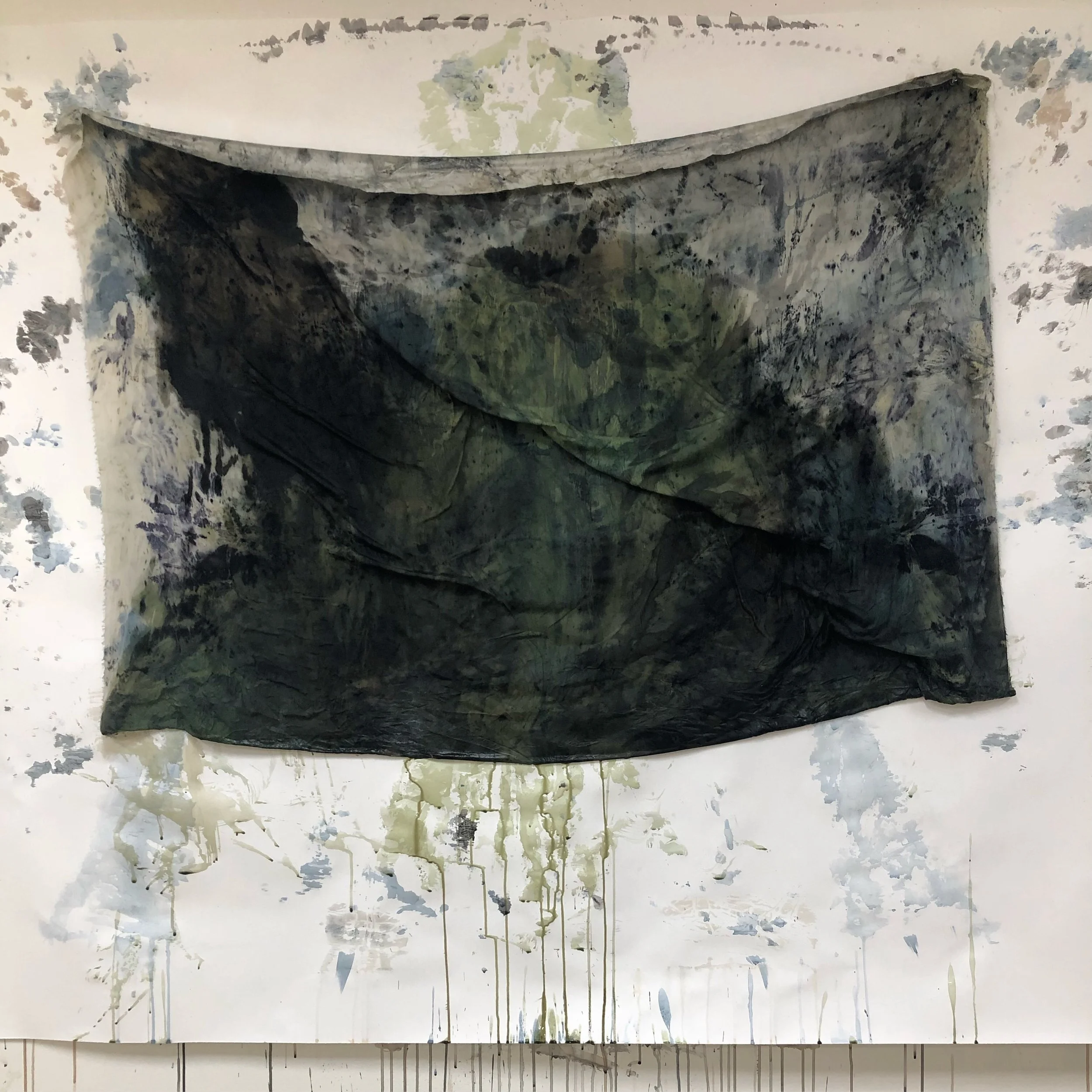
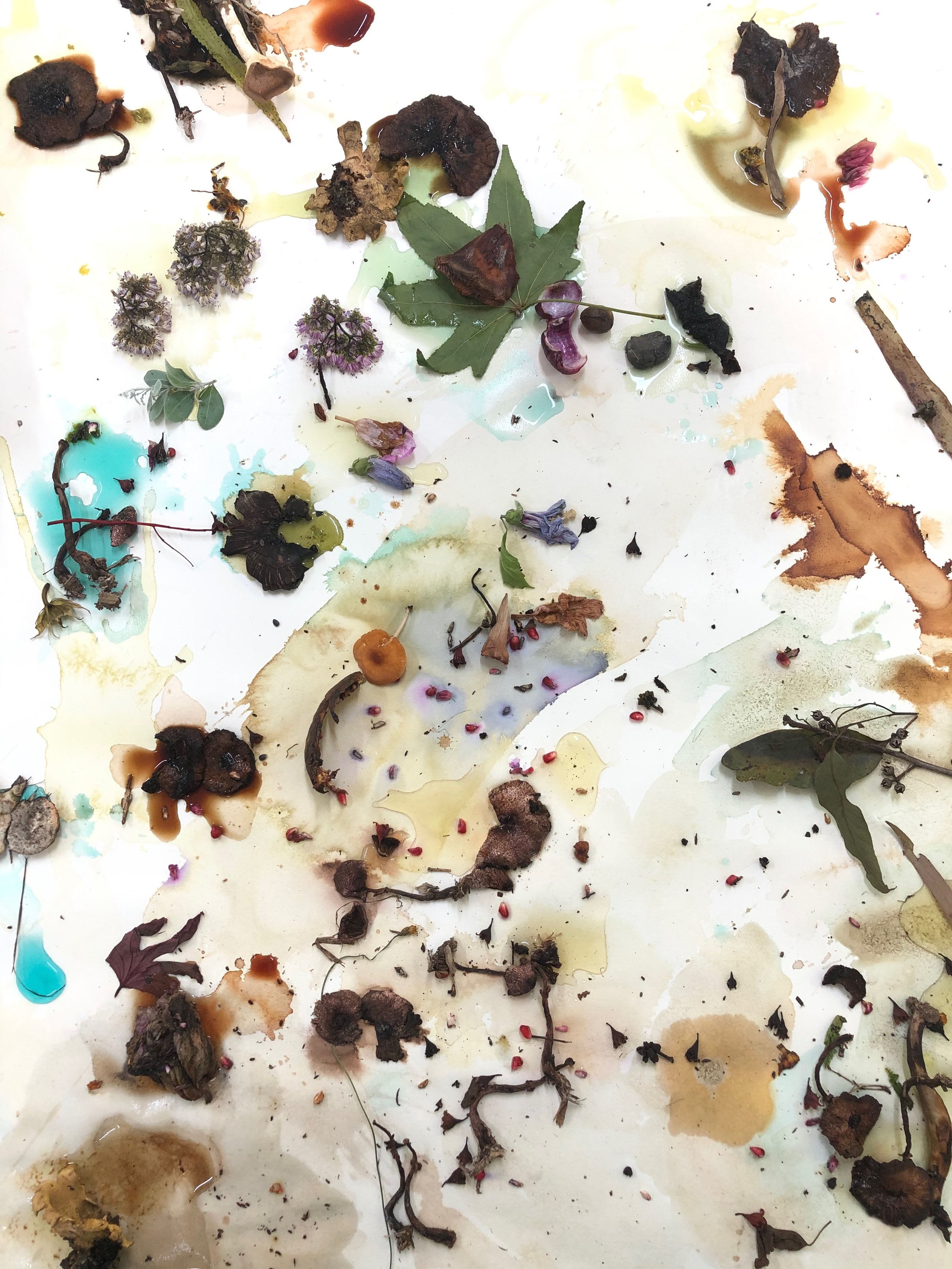
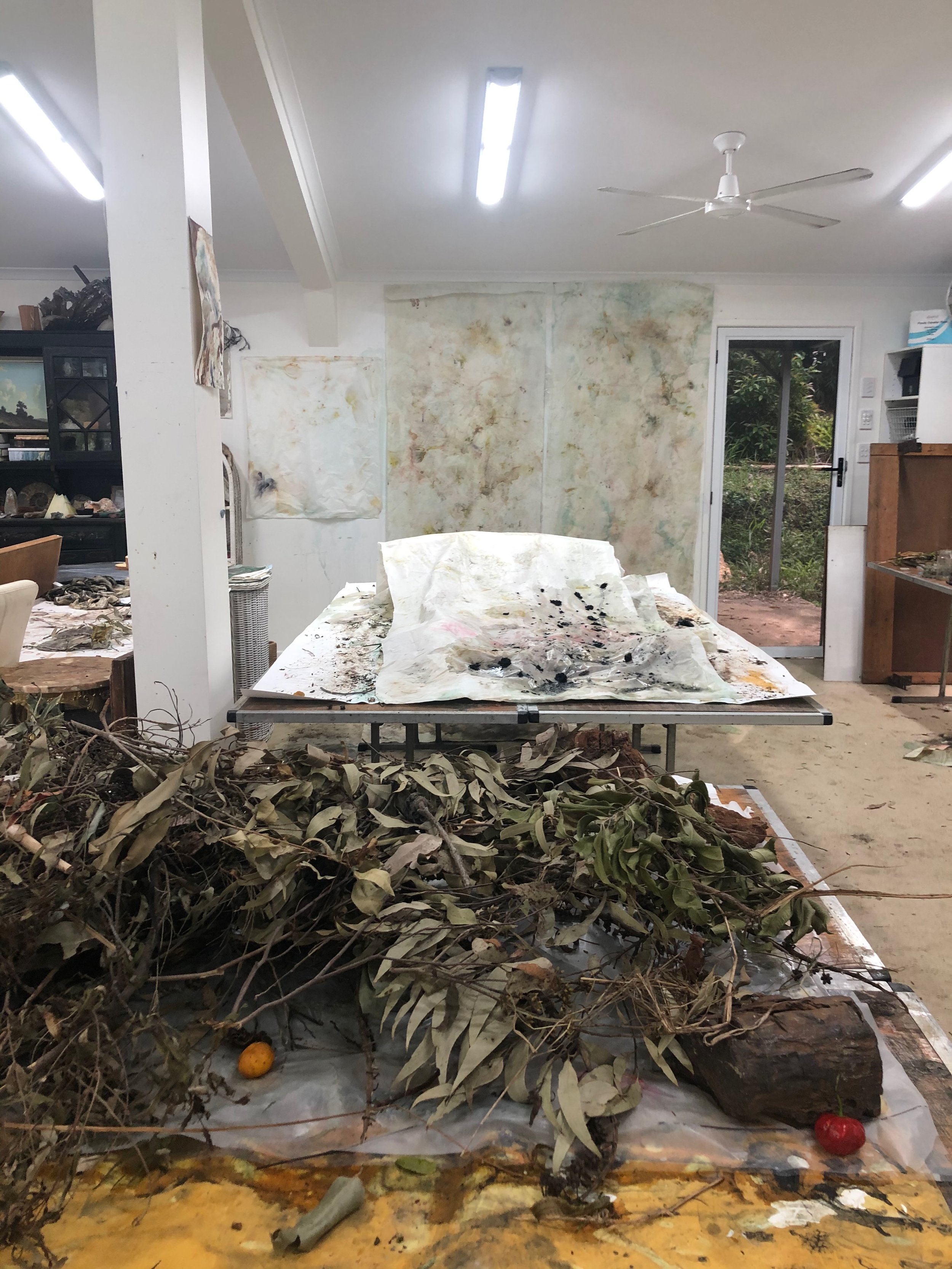
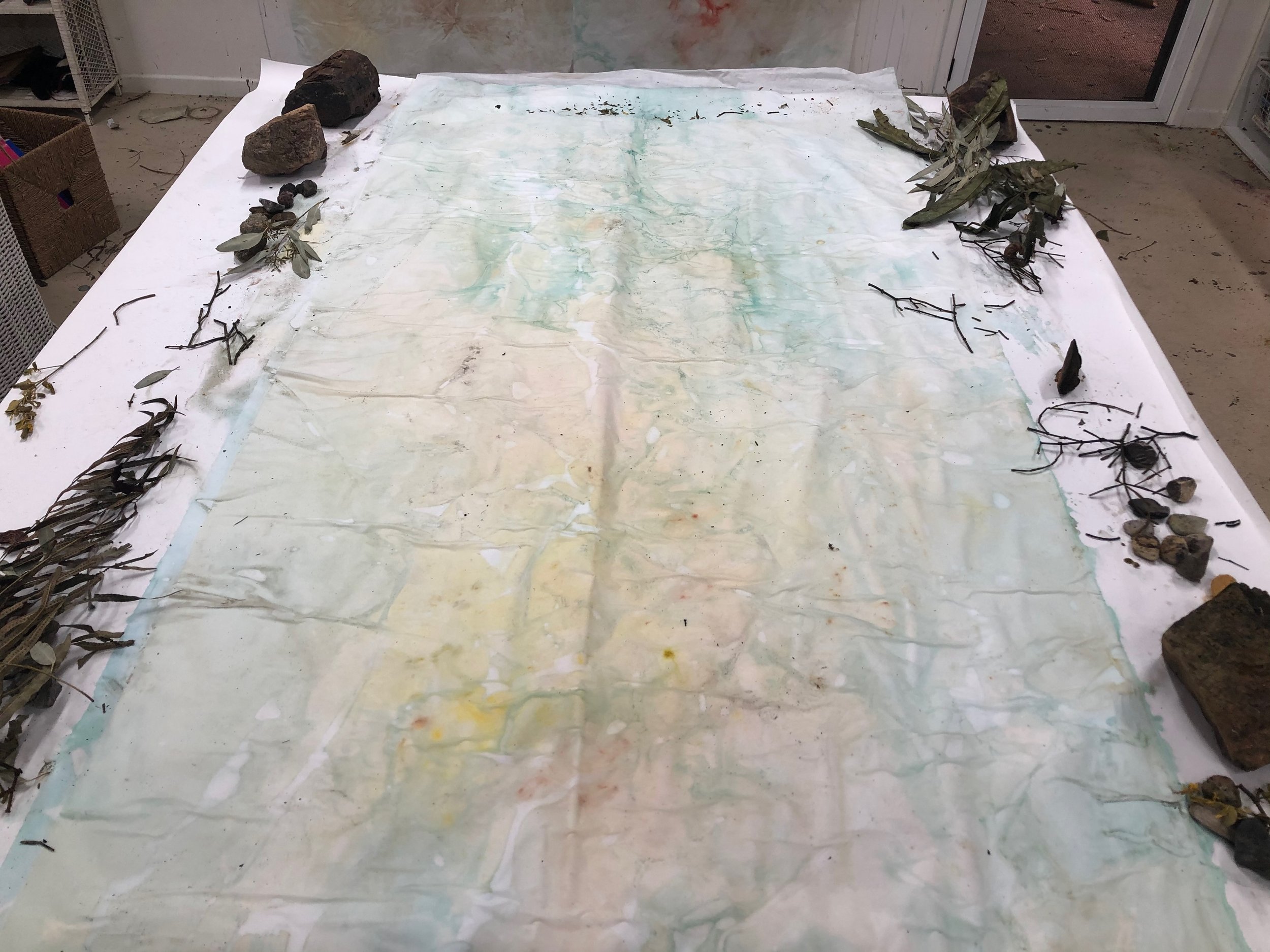
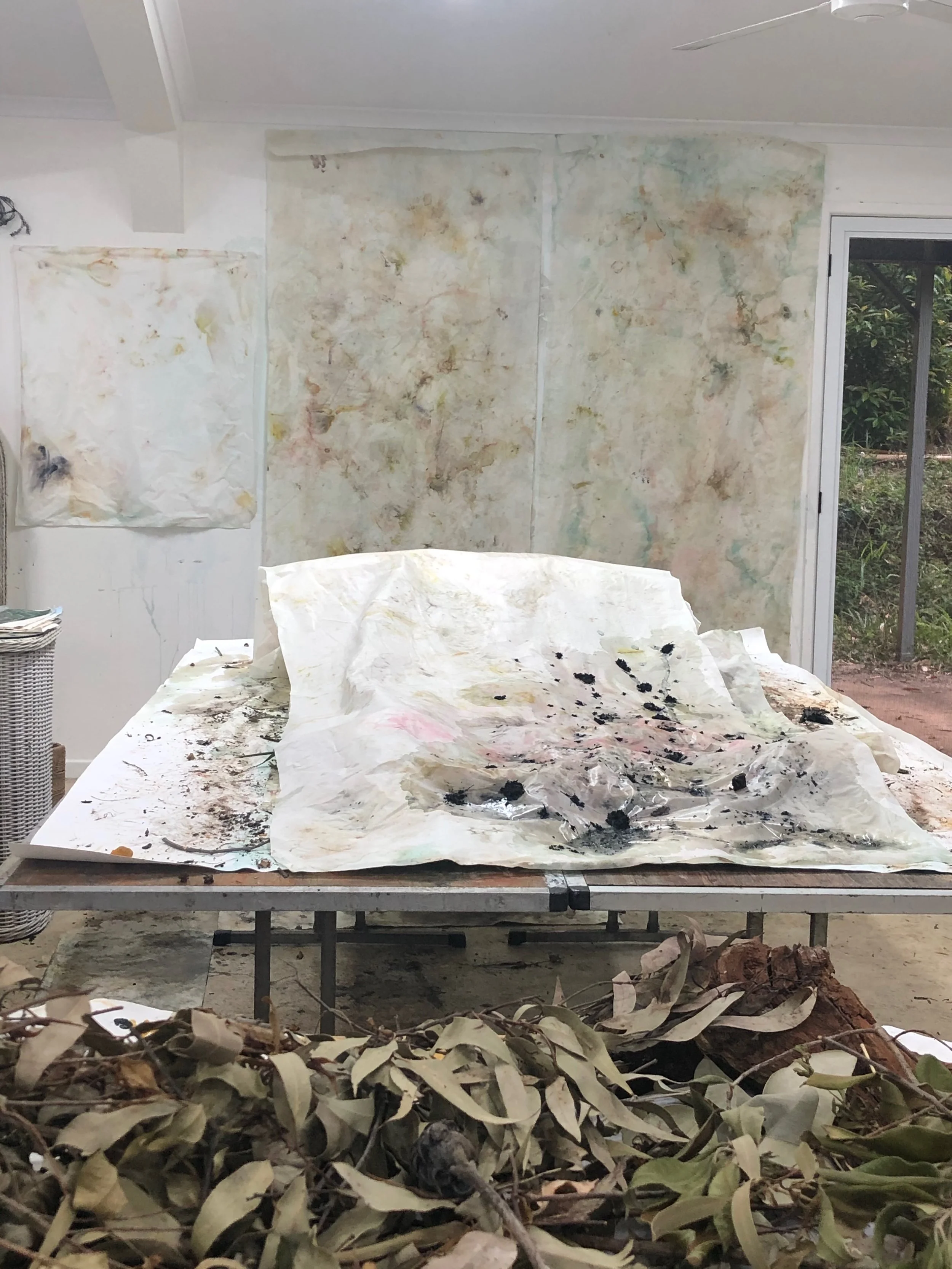
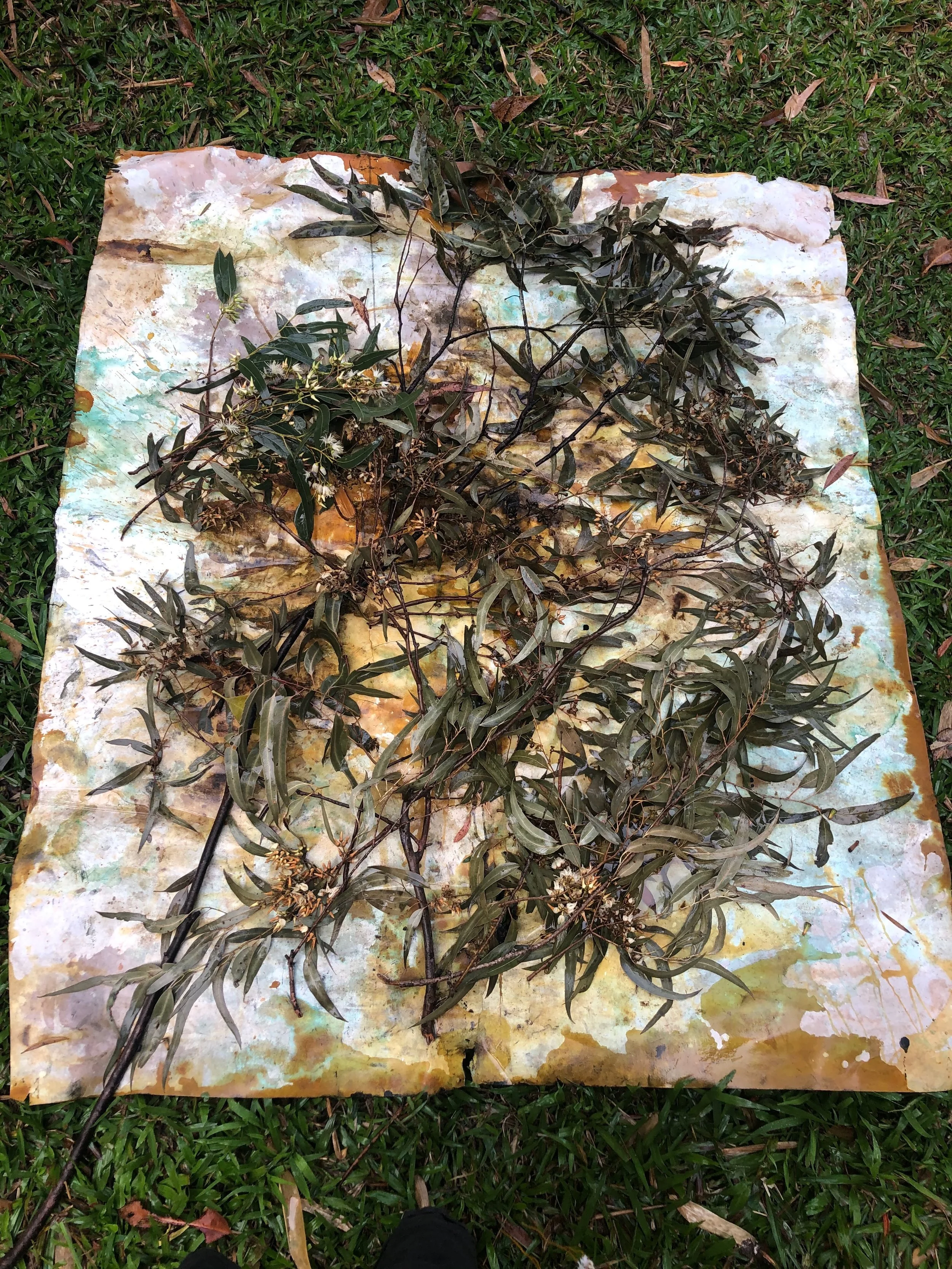
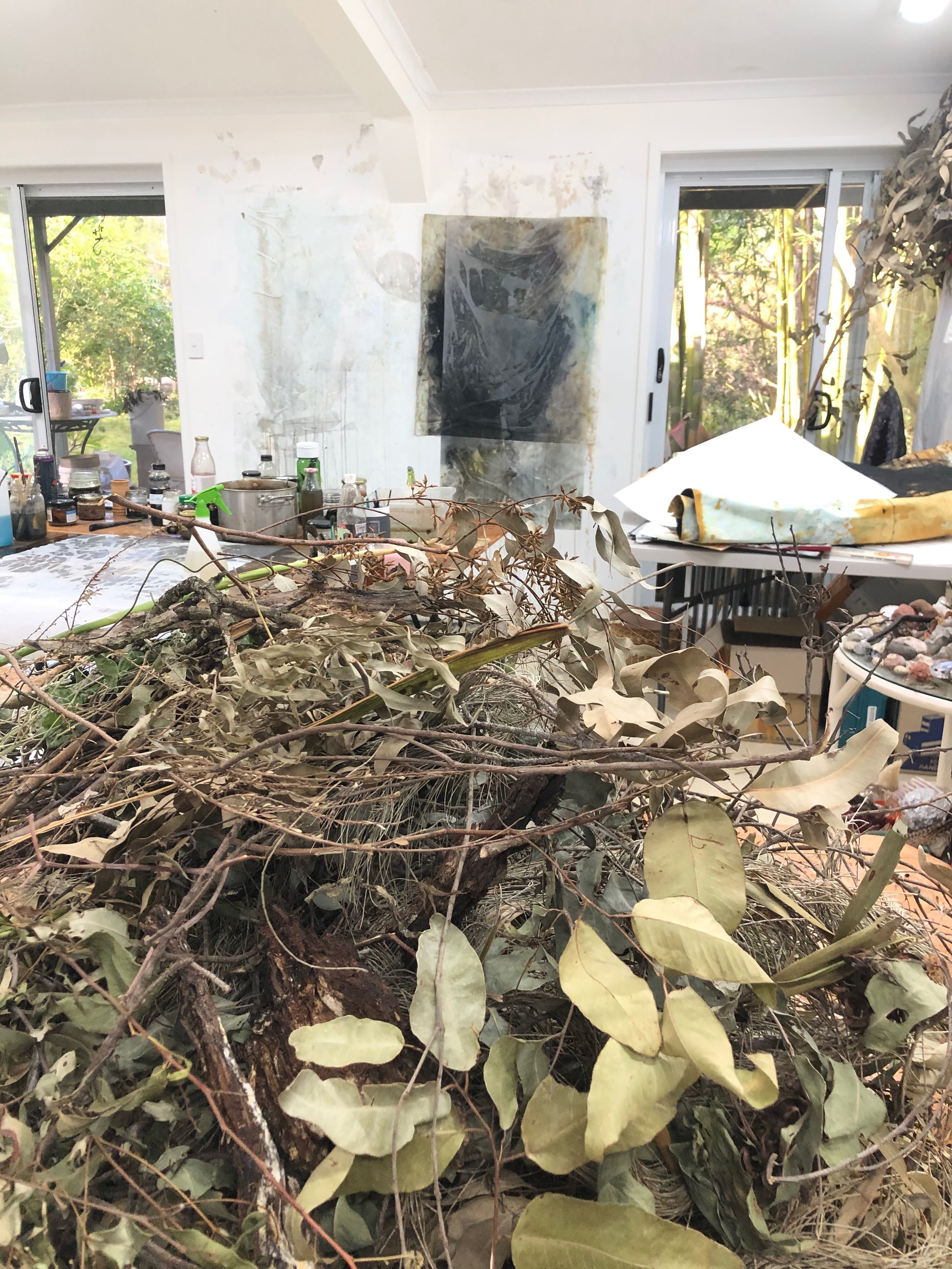
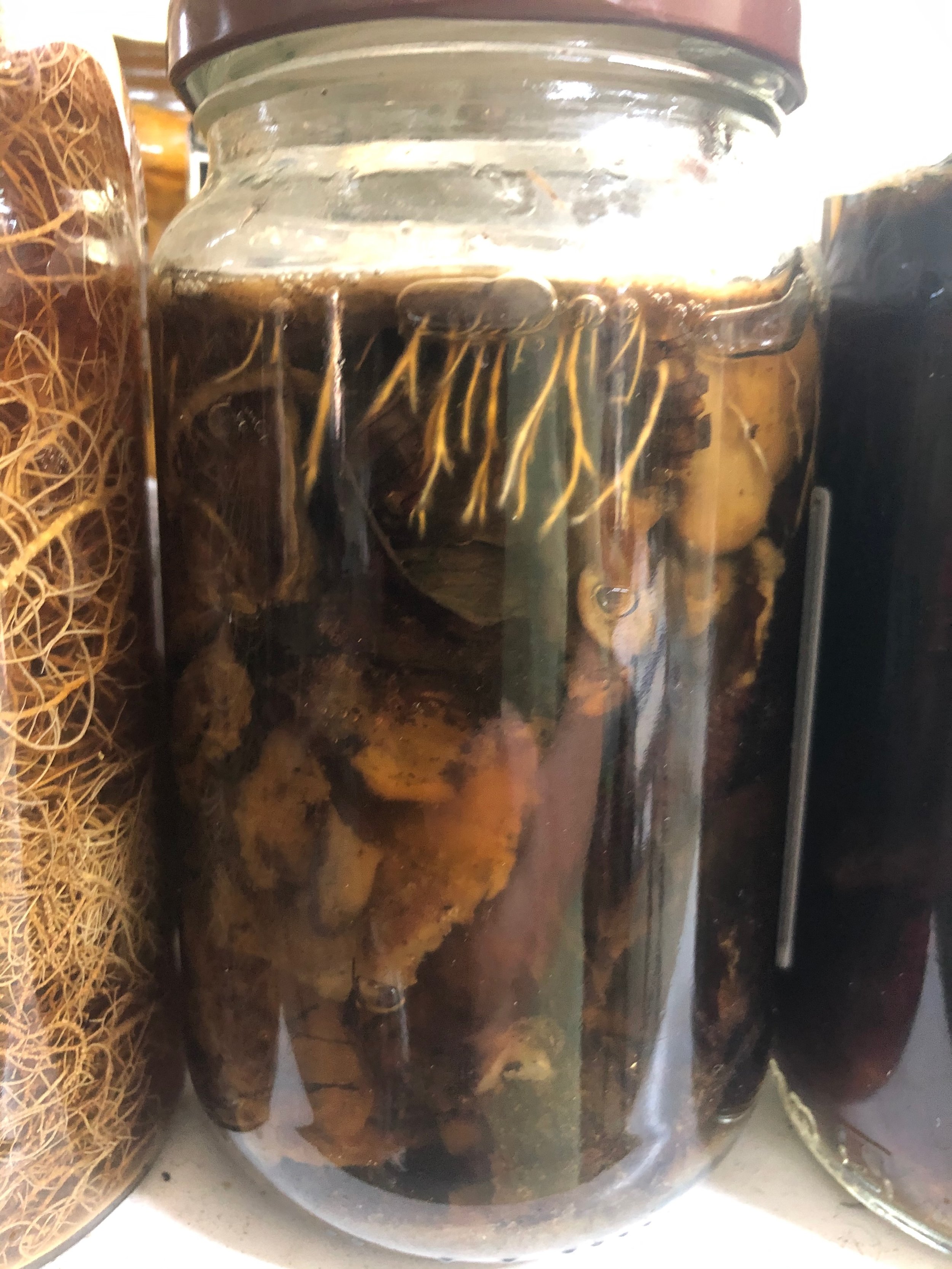
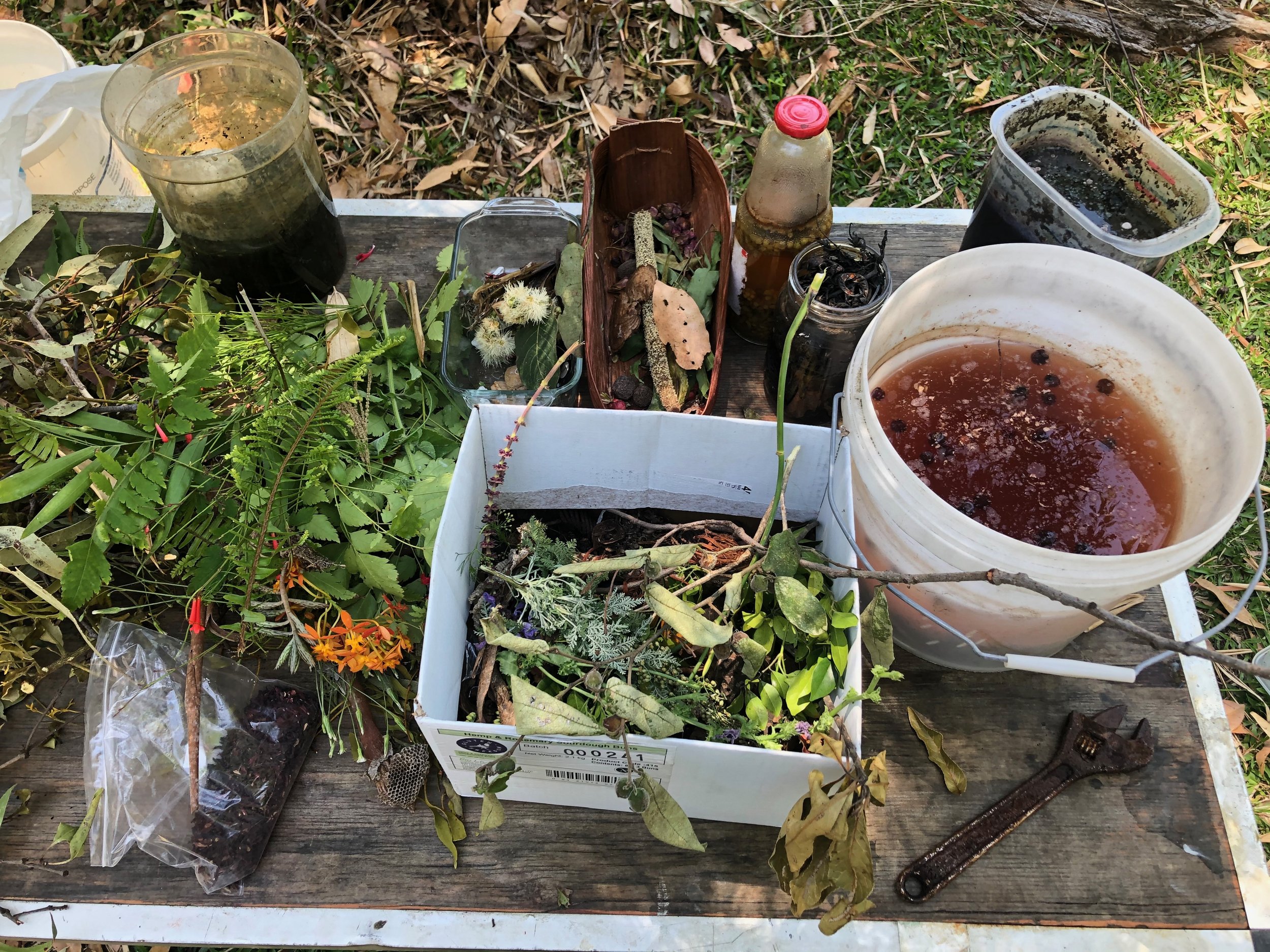
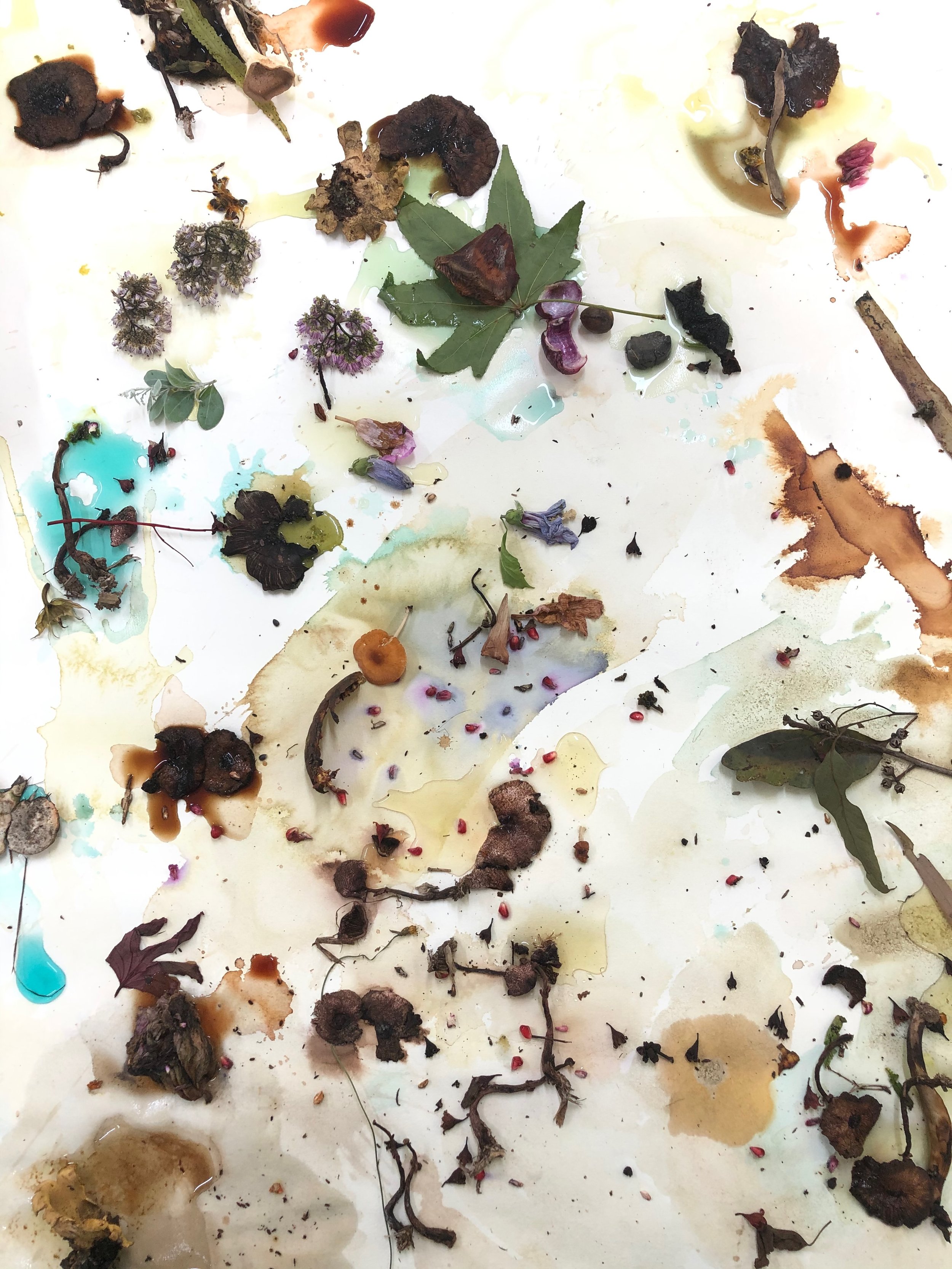
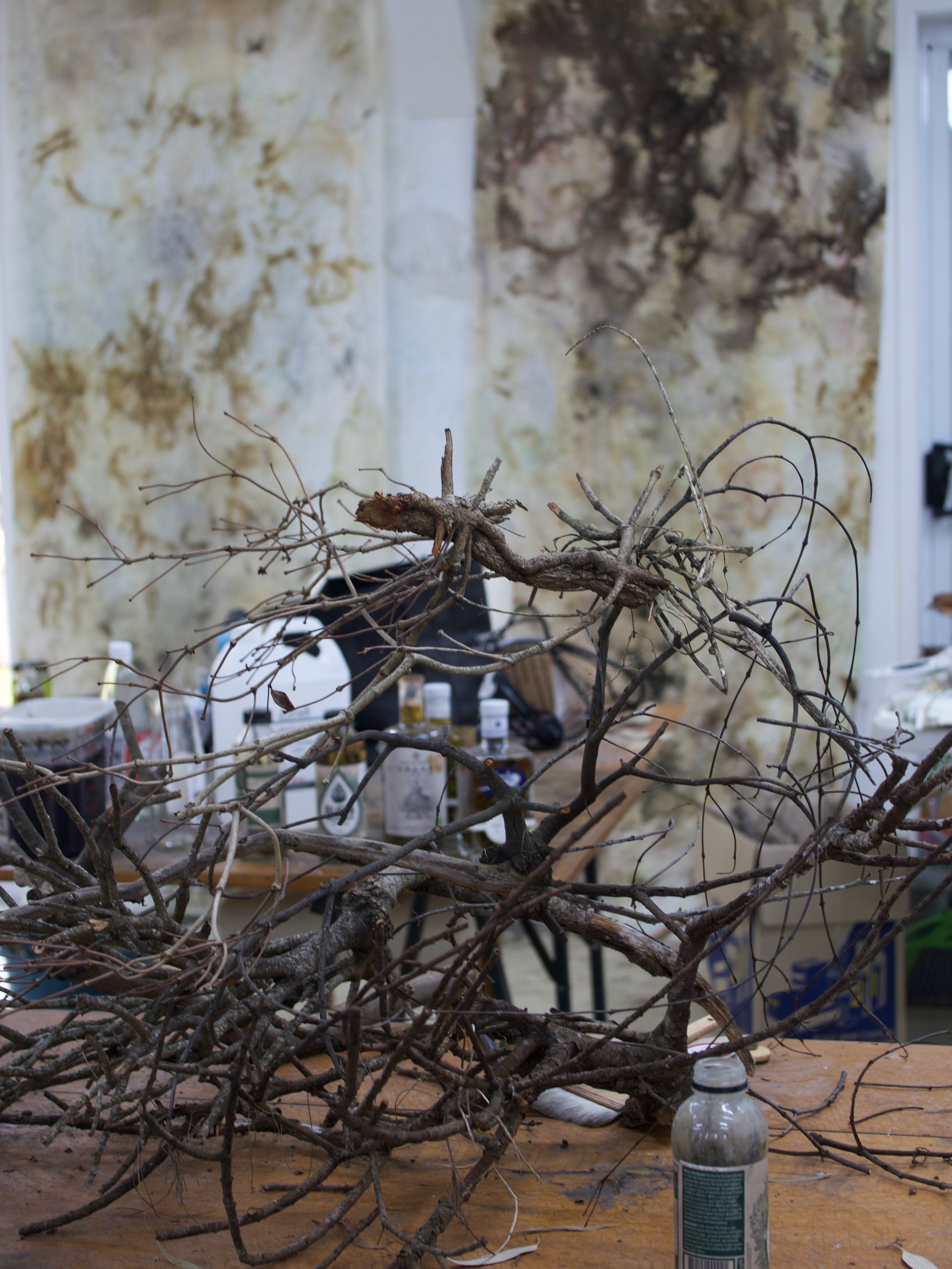
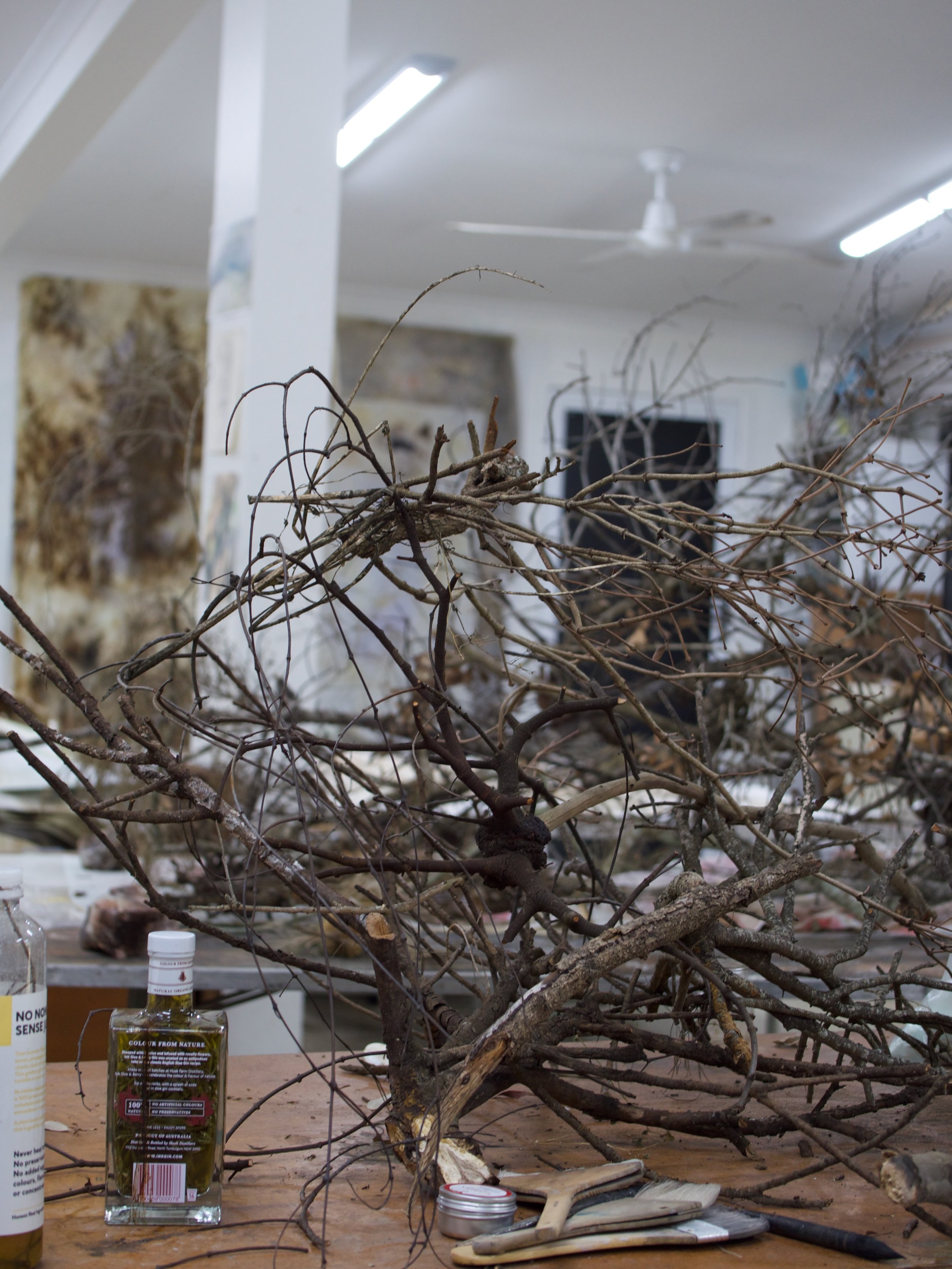
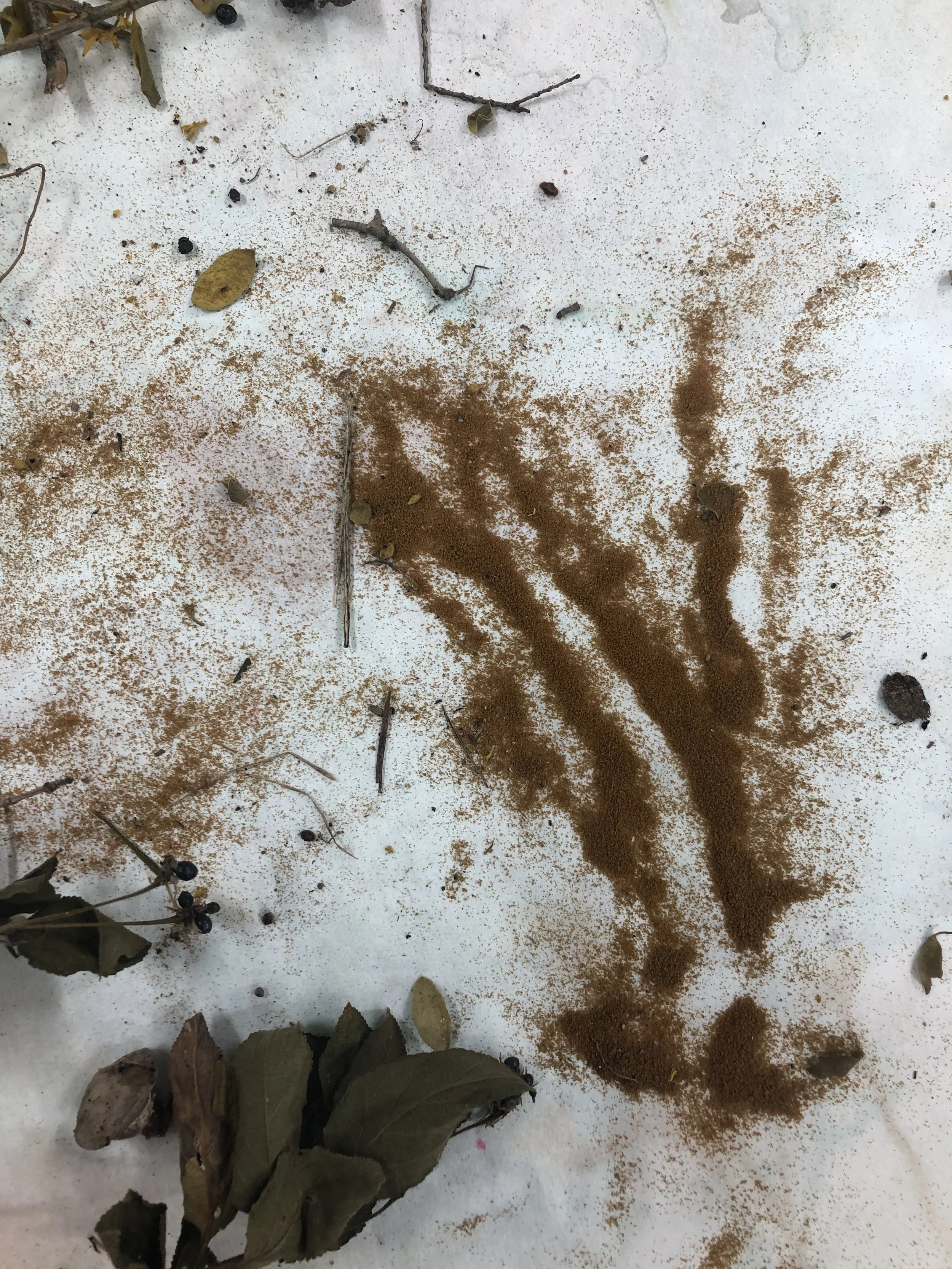
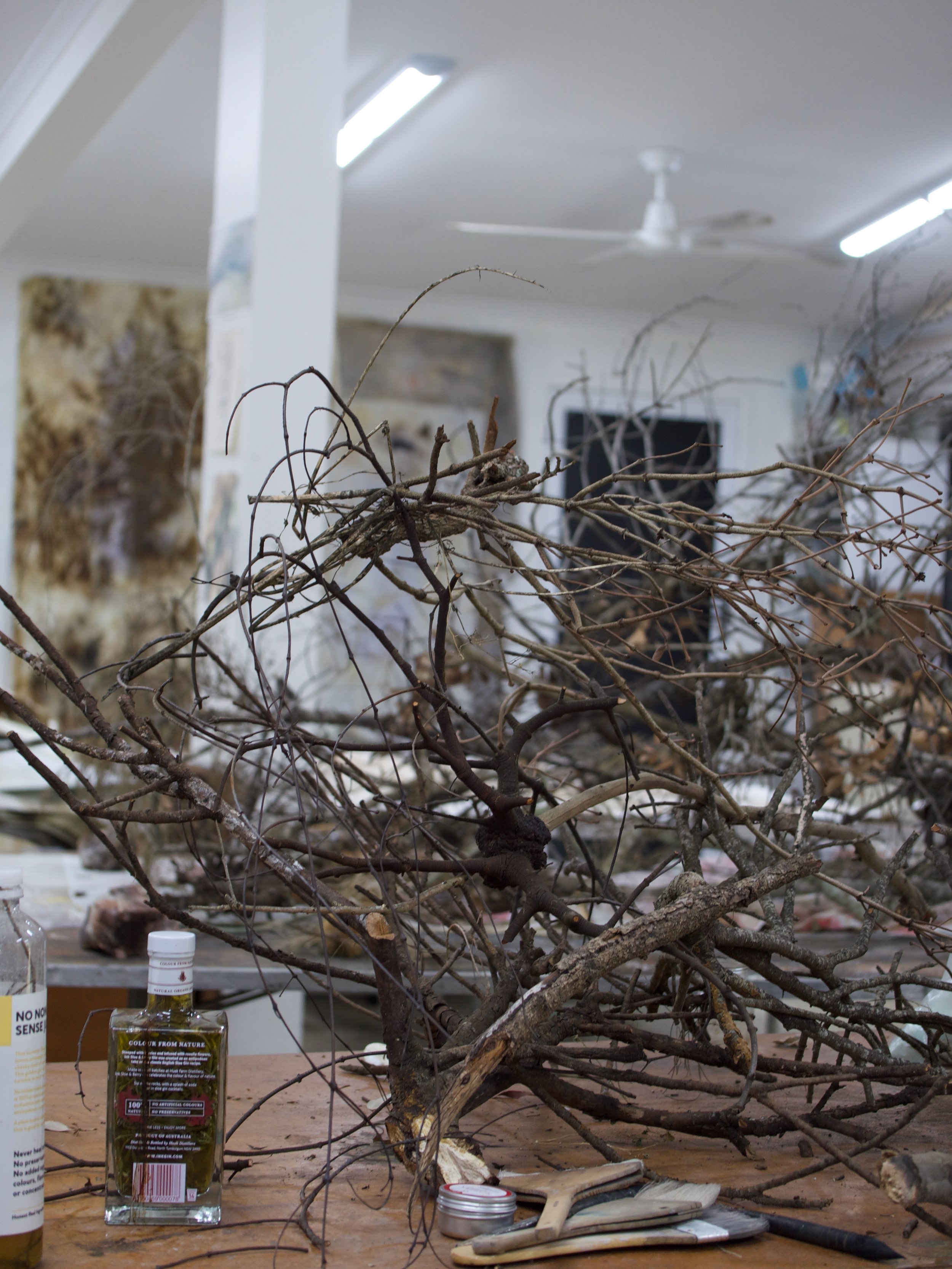
This work developed through sustained engagement with plants, minerals, waters and microbial life on Kabi Kabi Country. It grows from an effort to re-pair my body’s relationship with this place, working through psycho-geographic response, bodily sensing and unconscious symbiotic relations between my biome and surrounding micro-fauna. Making becomes a way of rebuilding rapport through attention, reciprocity and care.
This attention to matter as a carrier of information did not begin here. Across earlier works, I remained preoccupied with how meaning, pressure and contact are transcribed through material, using domestic detritus, light, water, surfaces and unstable image processes. Materials were never passive. They degraded, misfired, collapsed and re-formed. Sound, gesture, air, water and structure were treated as ways material records exchange. It was approached not only as a record of contact, but of absence. What failed to appear, stalled, faded or never arrived carried information alongside what was present.
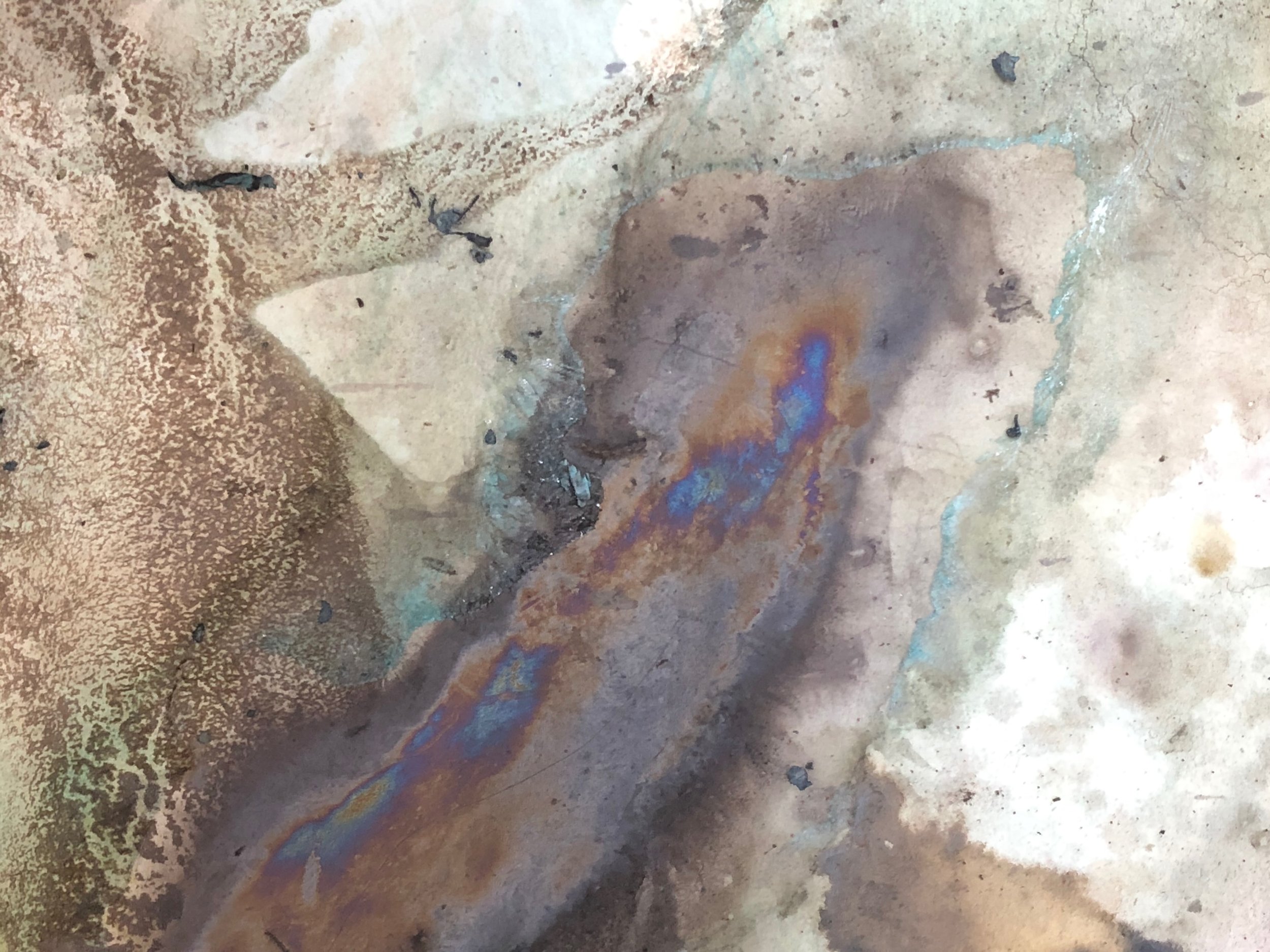
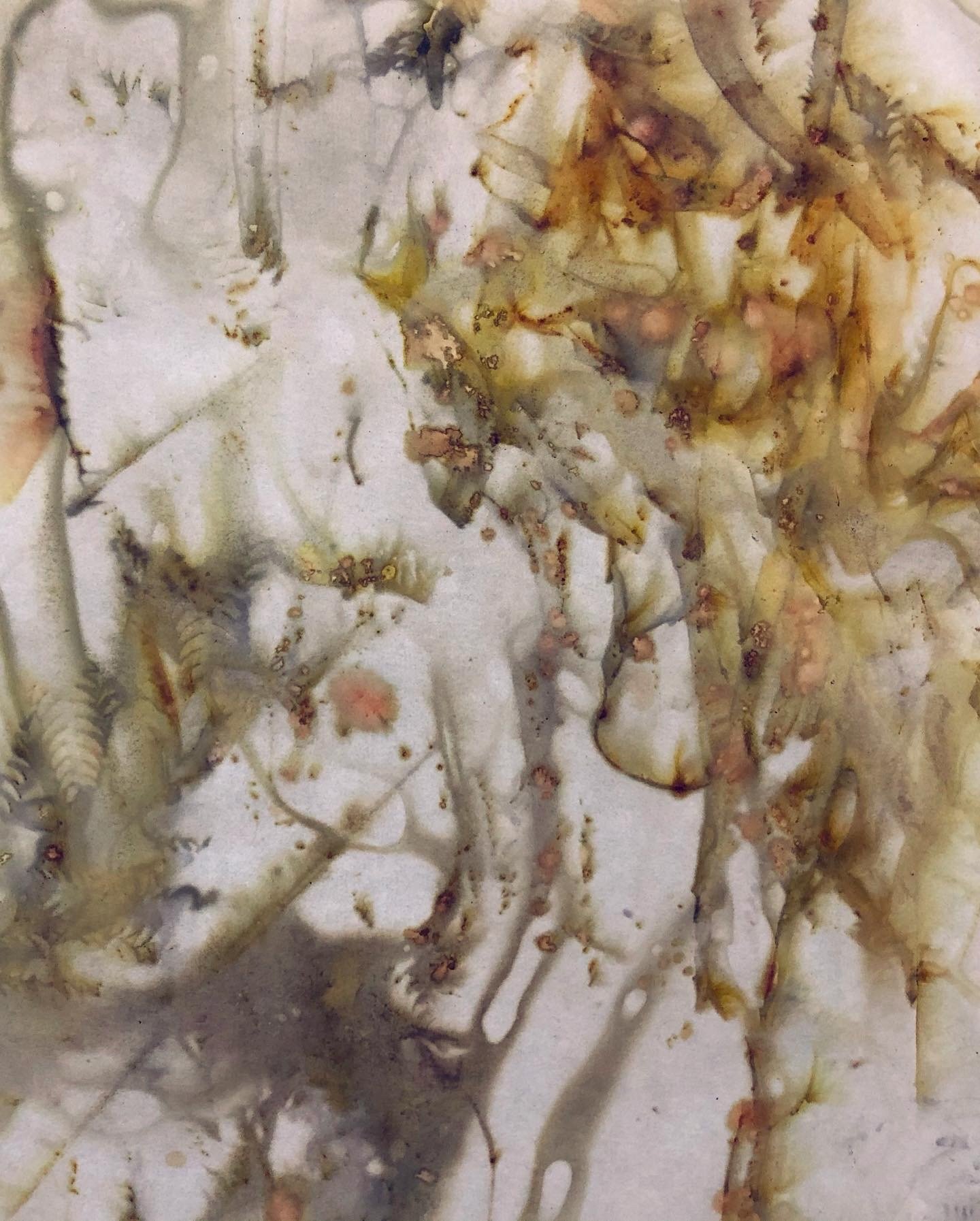
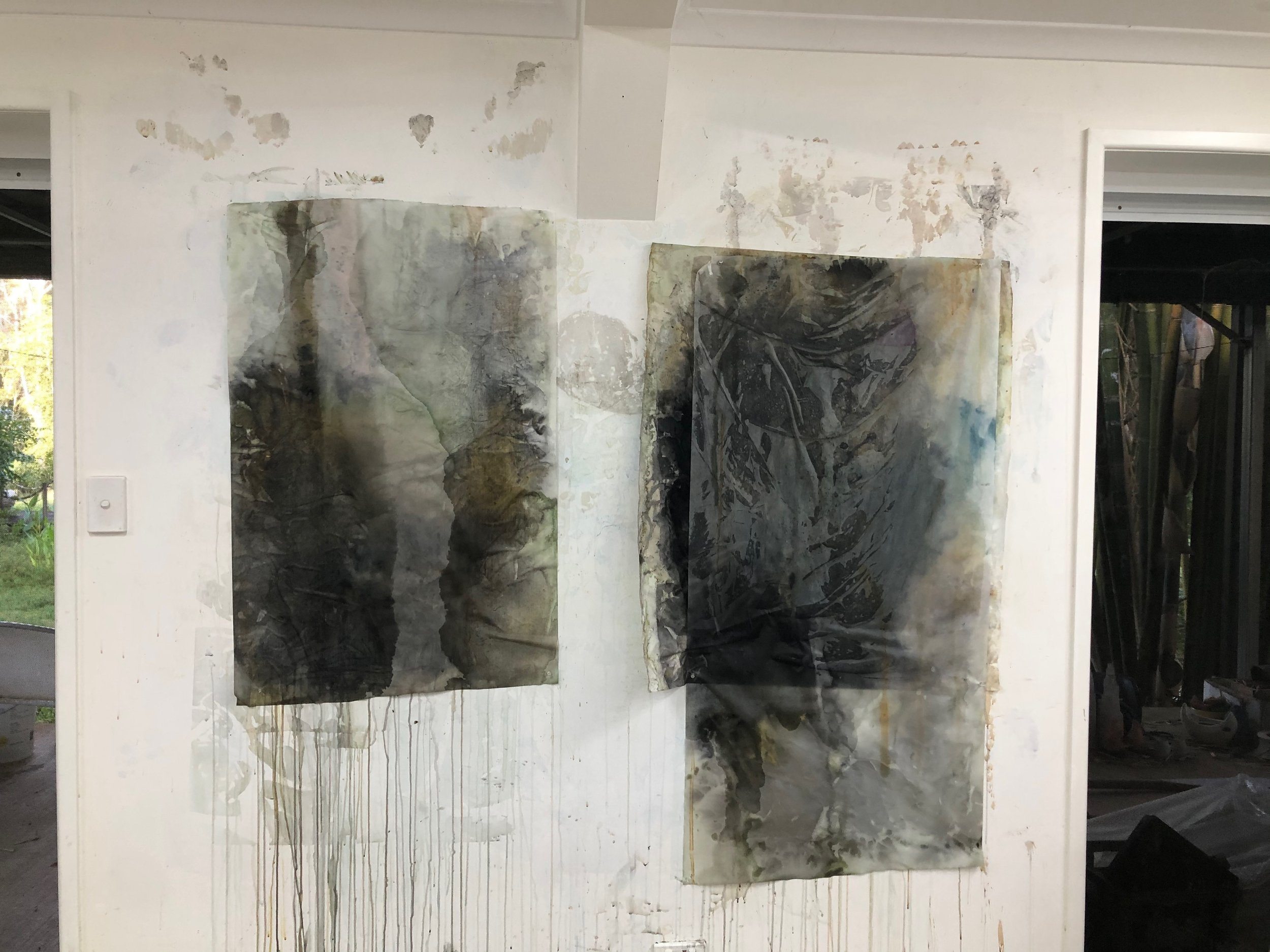
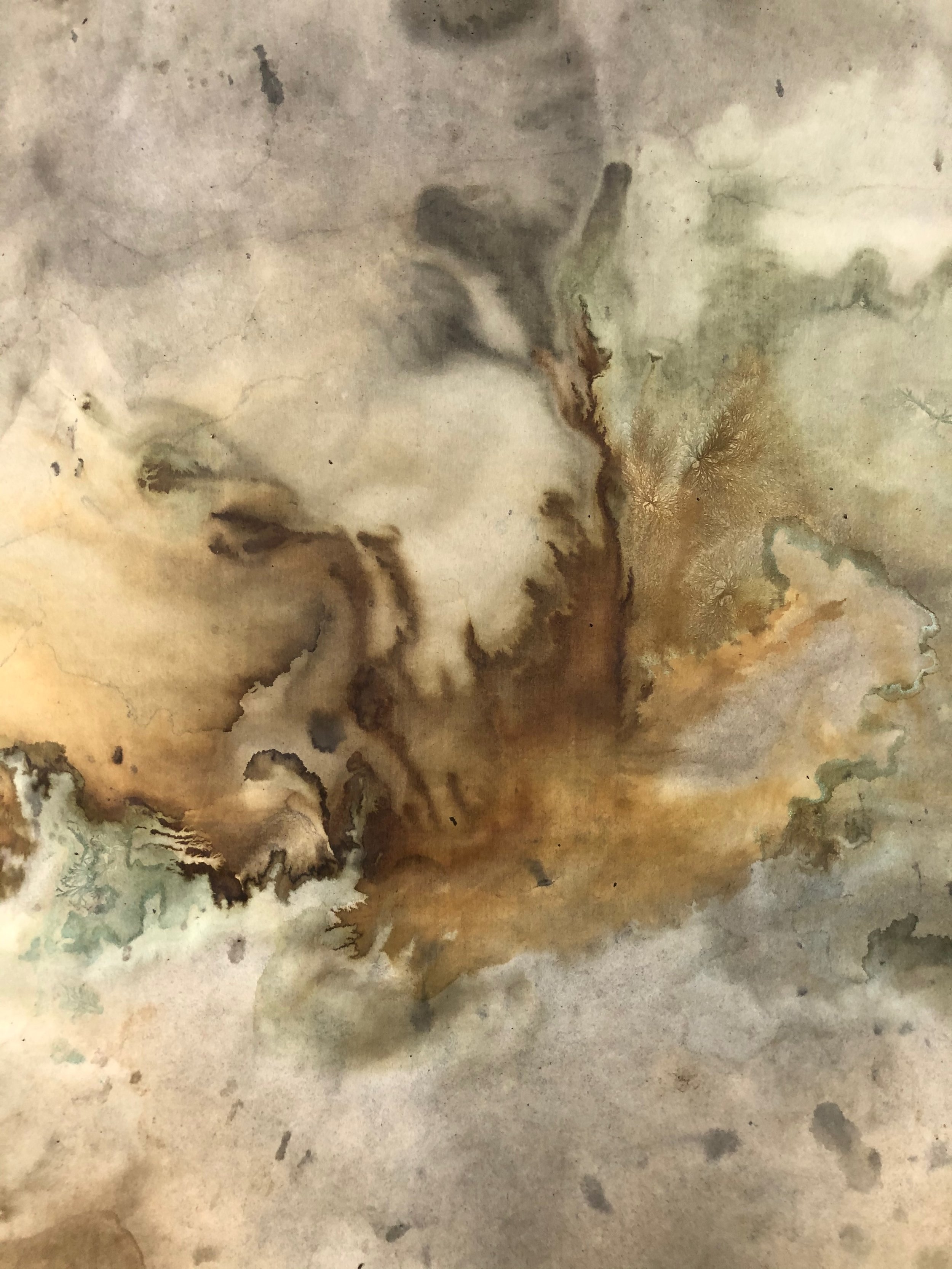
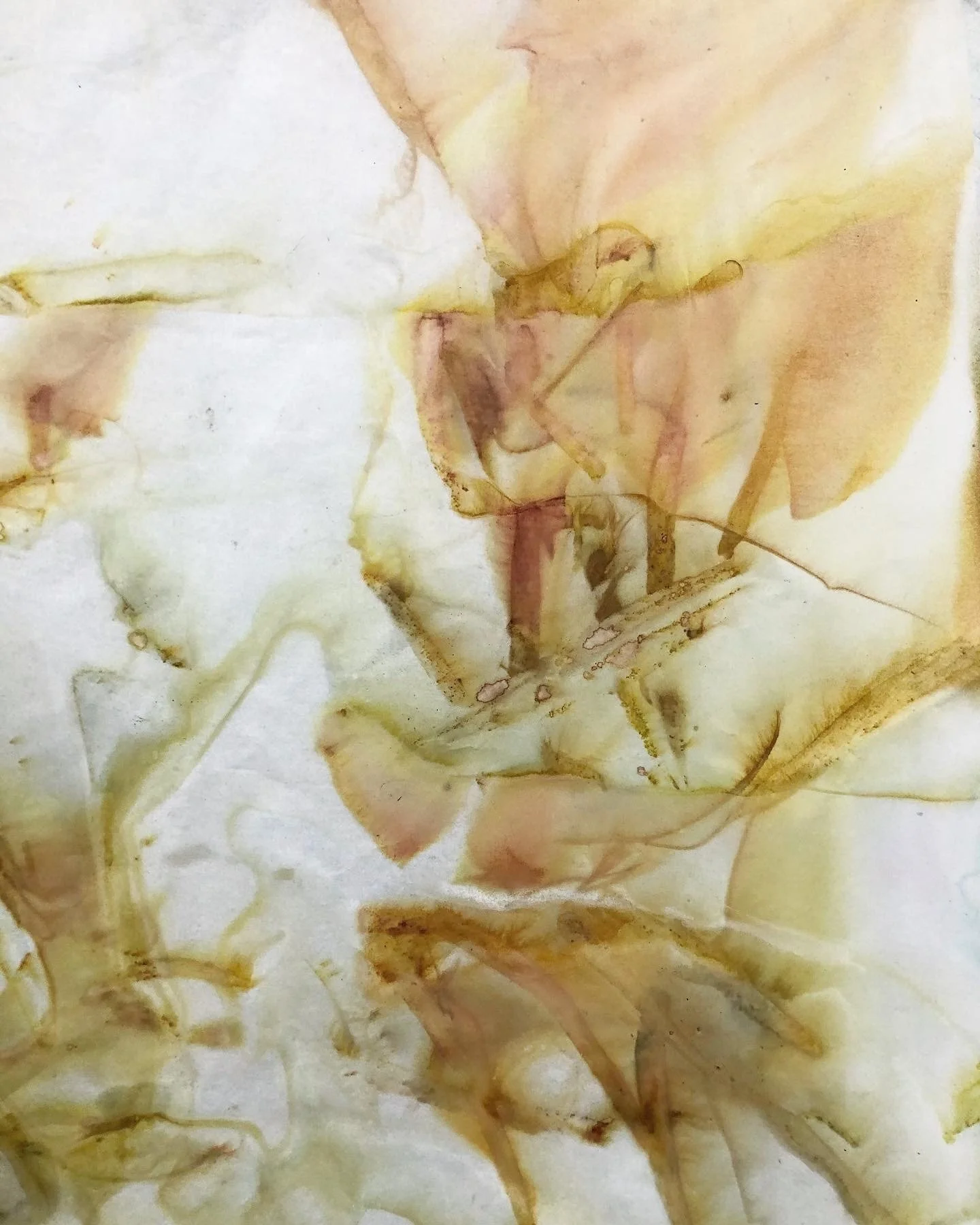
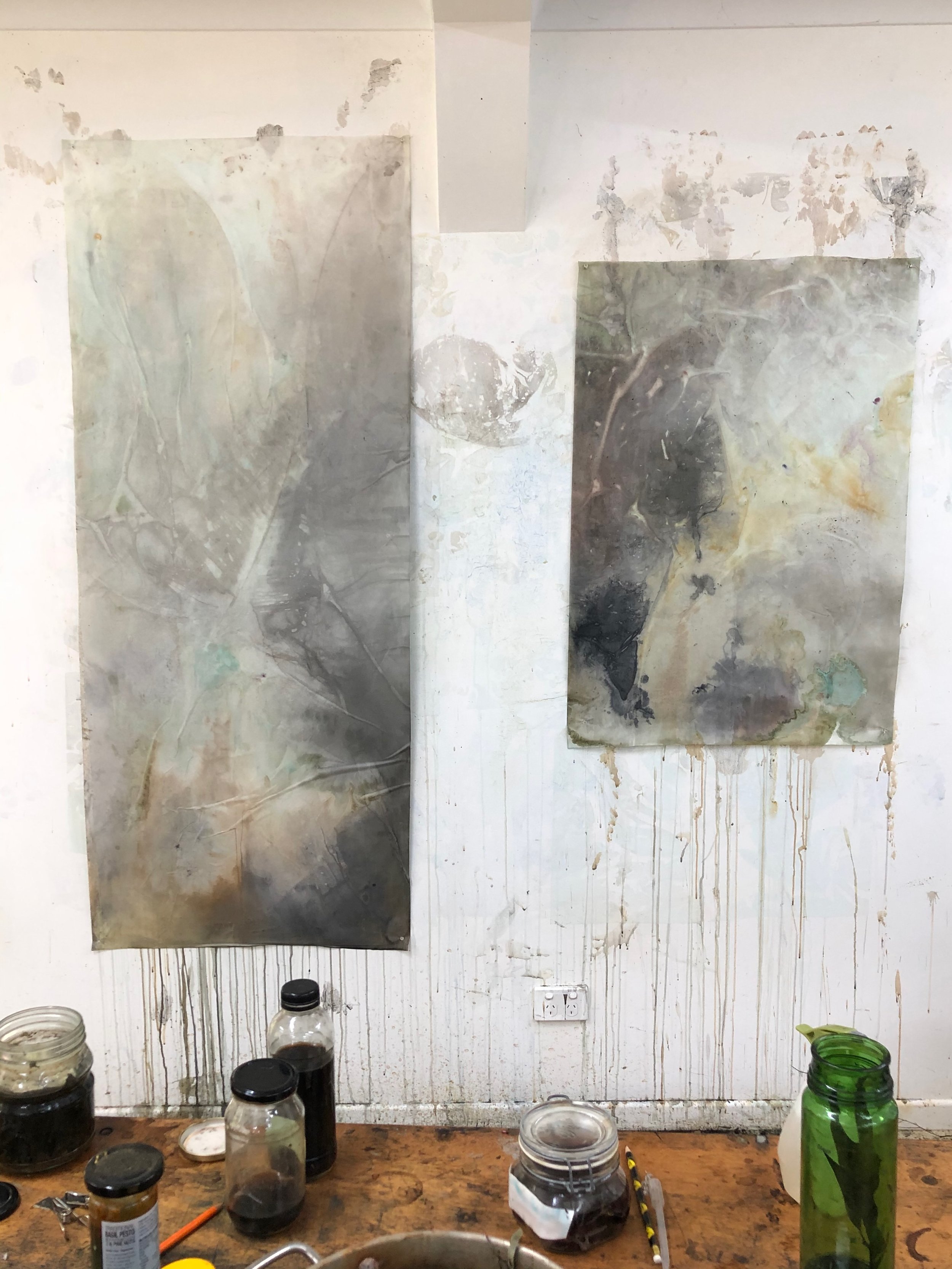
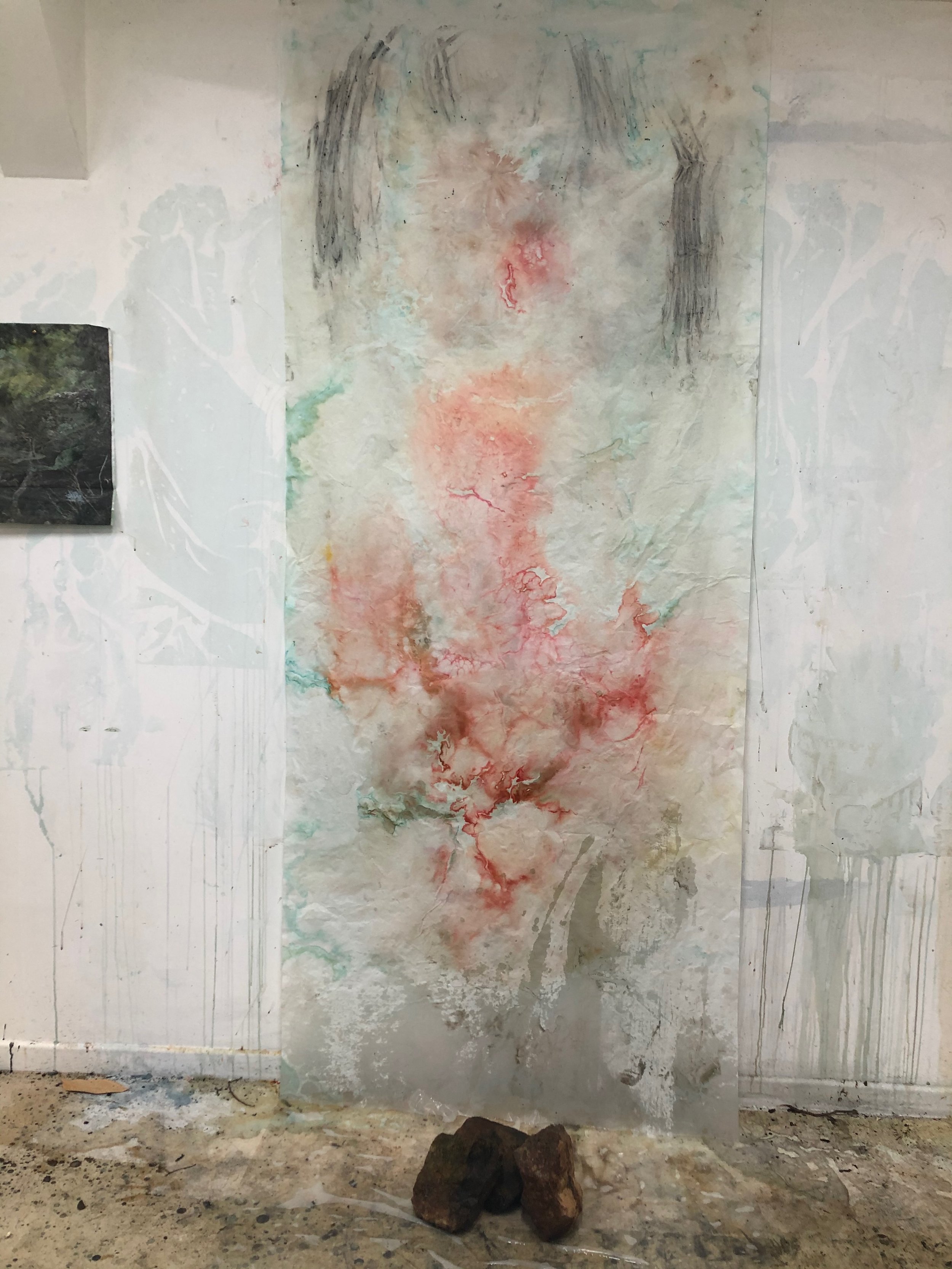
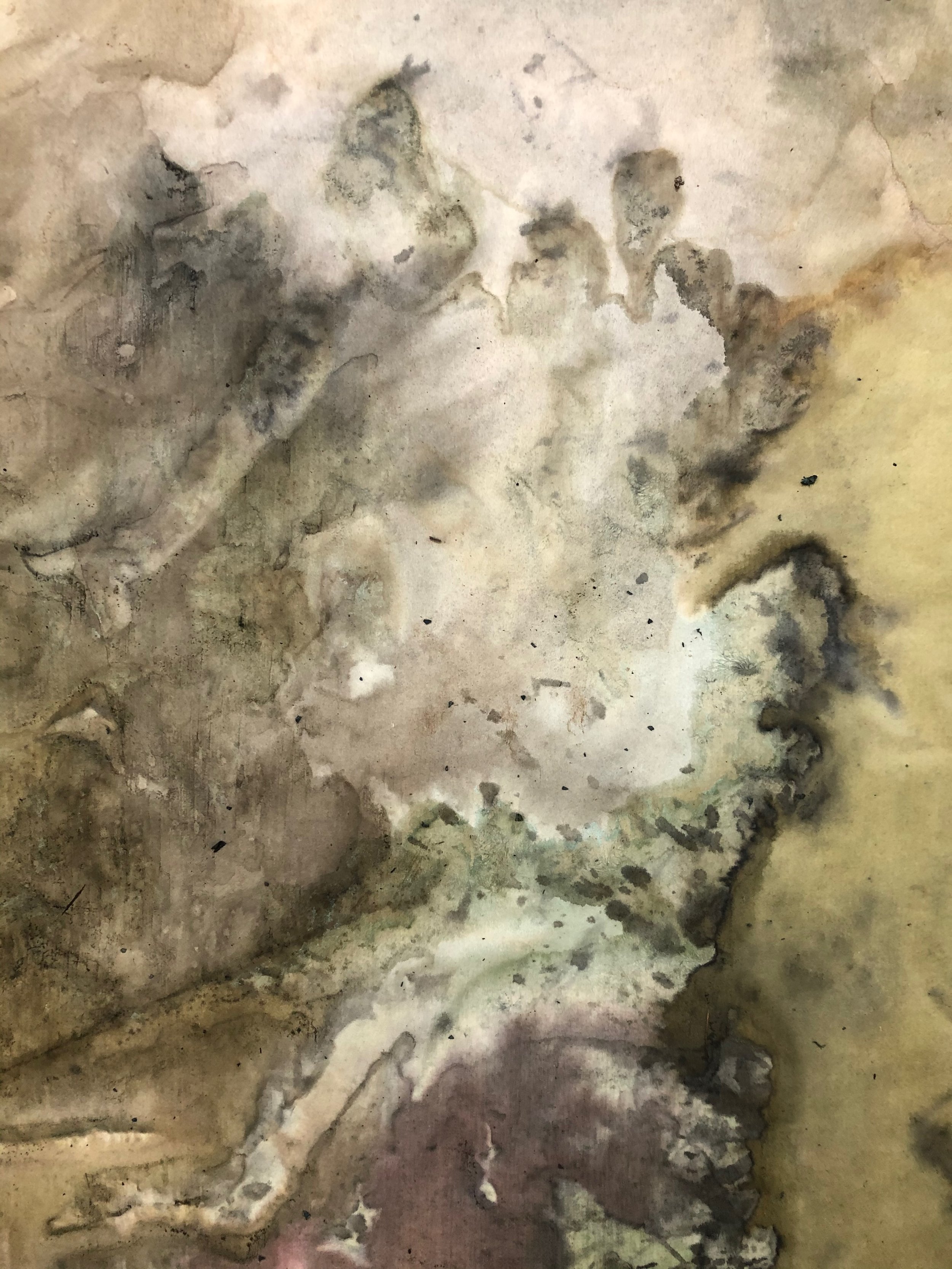
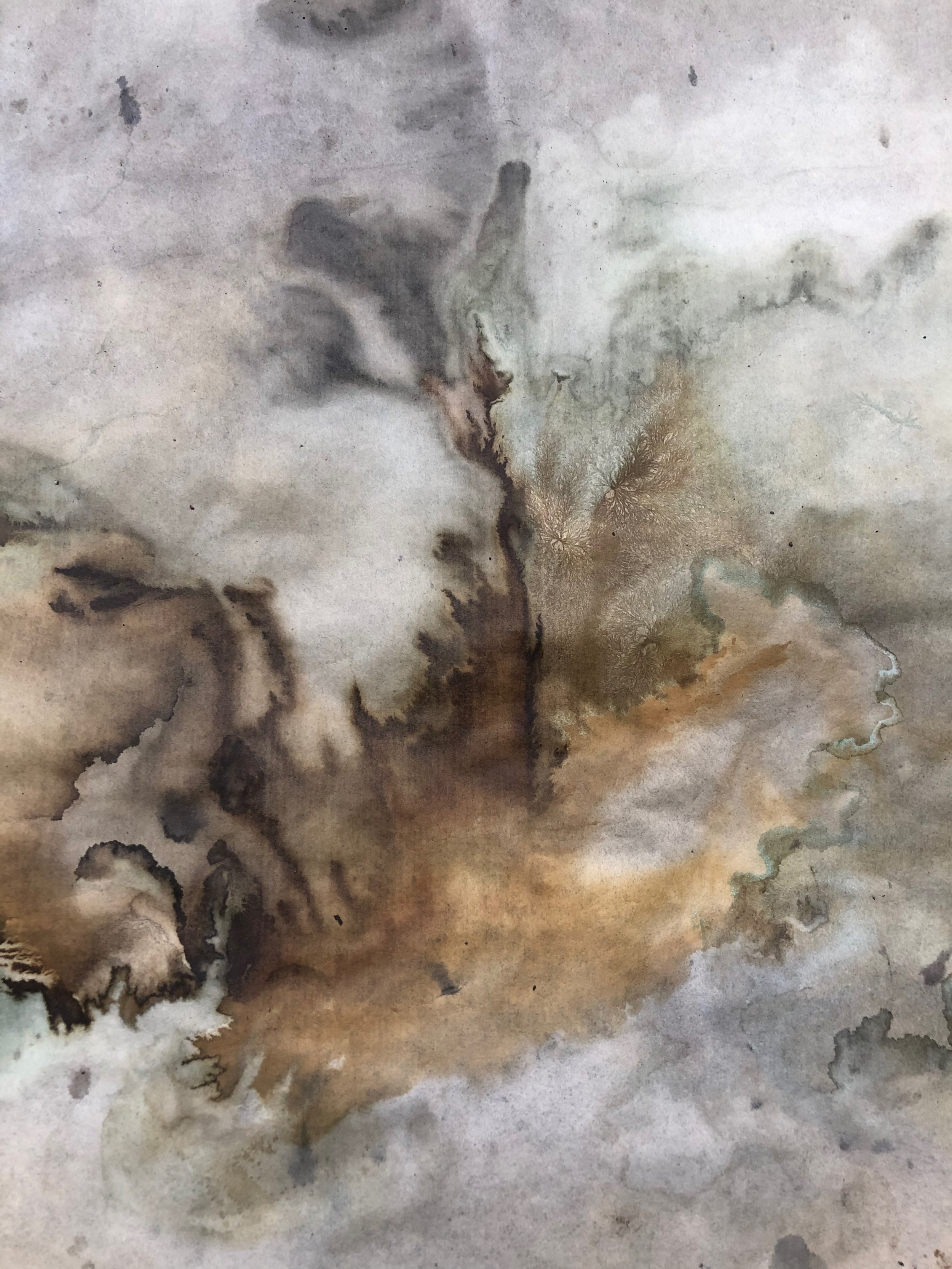
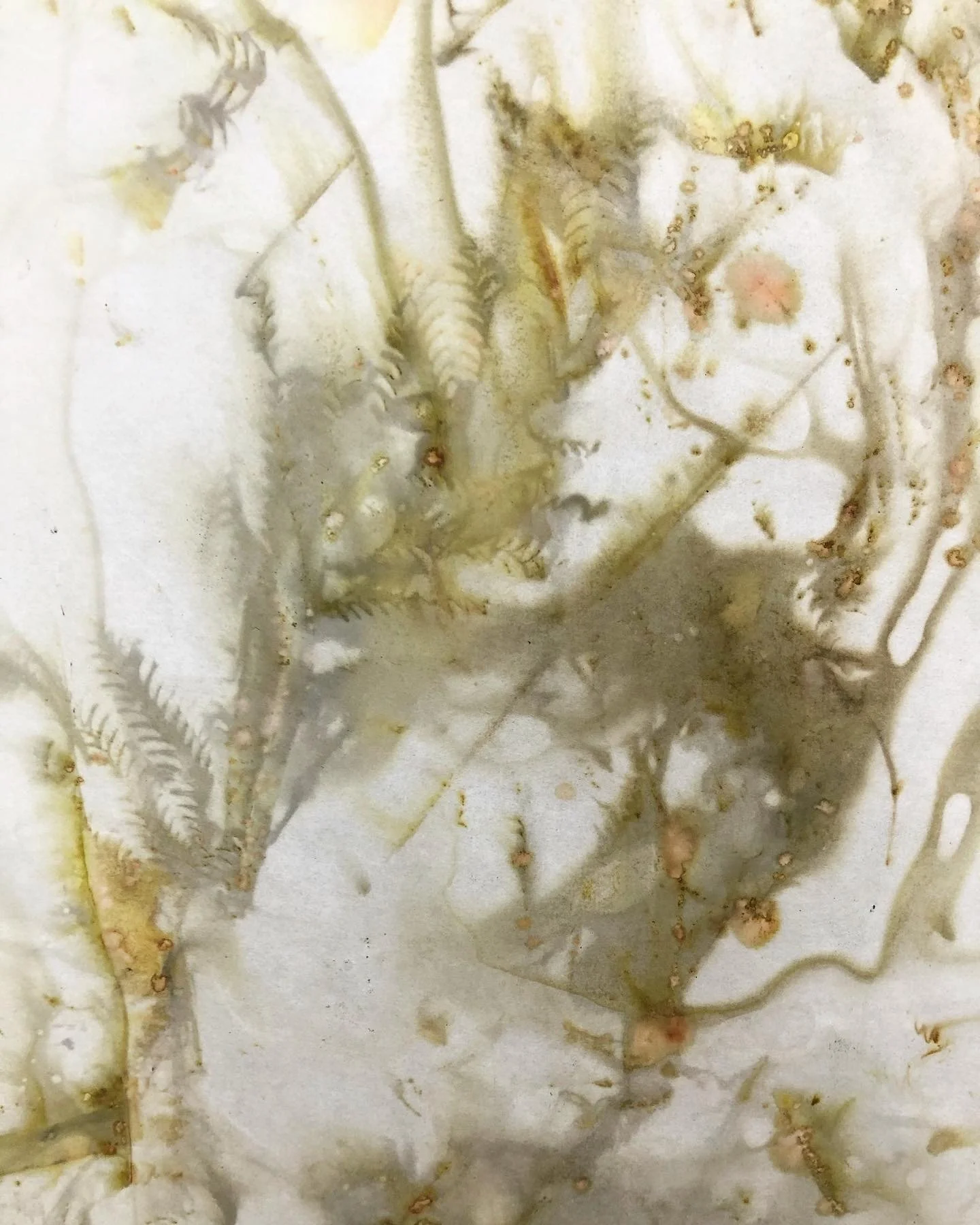
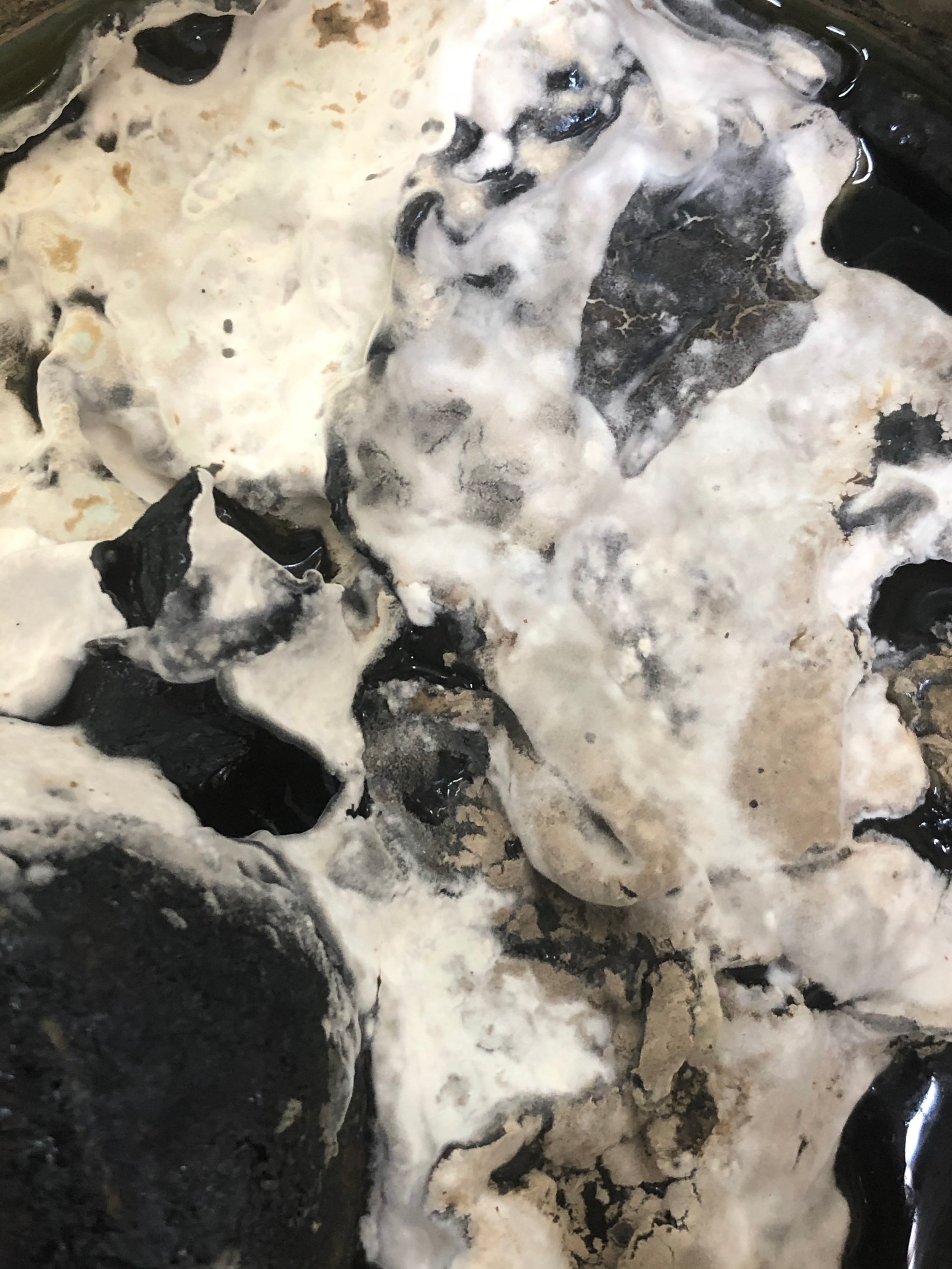
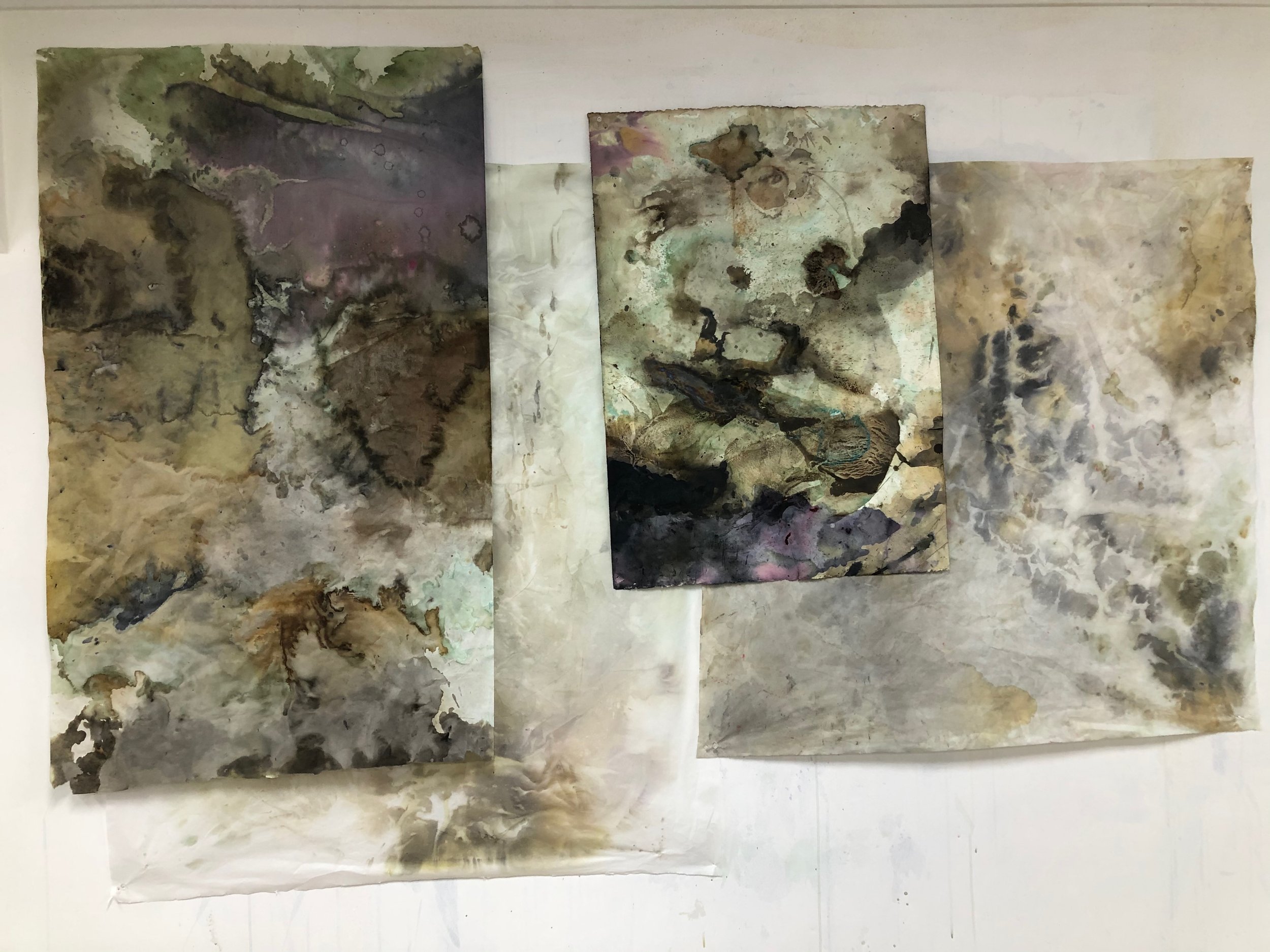
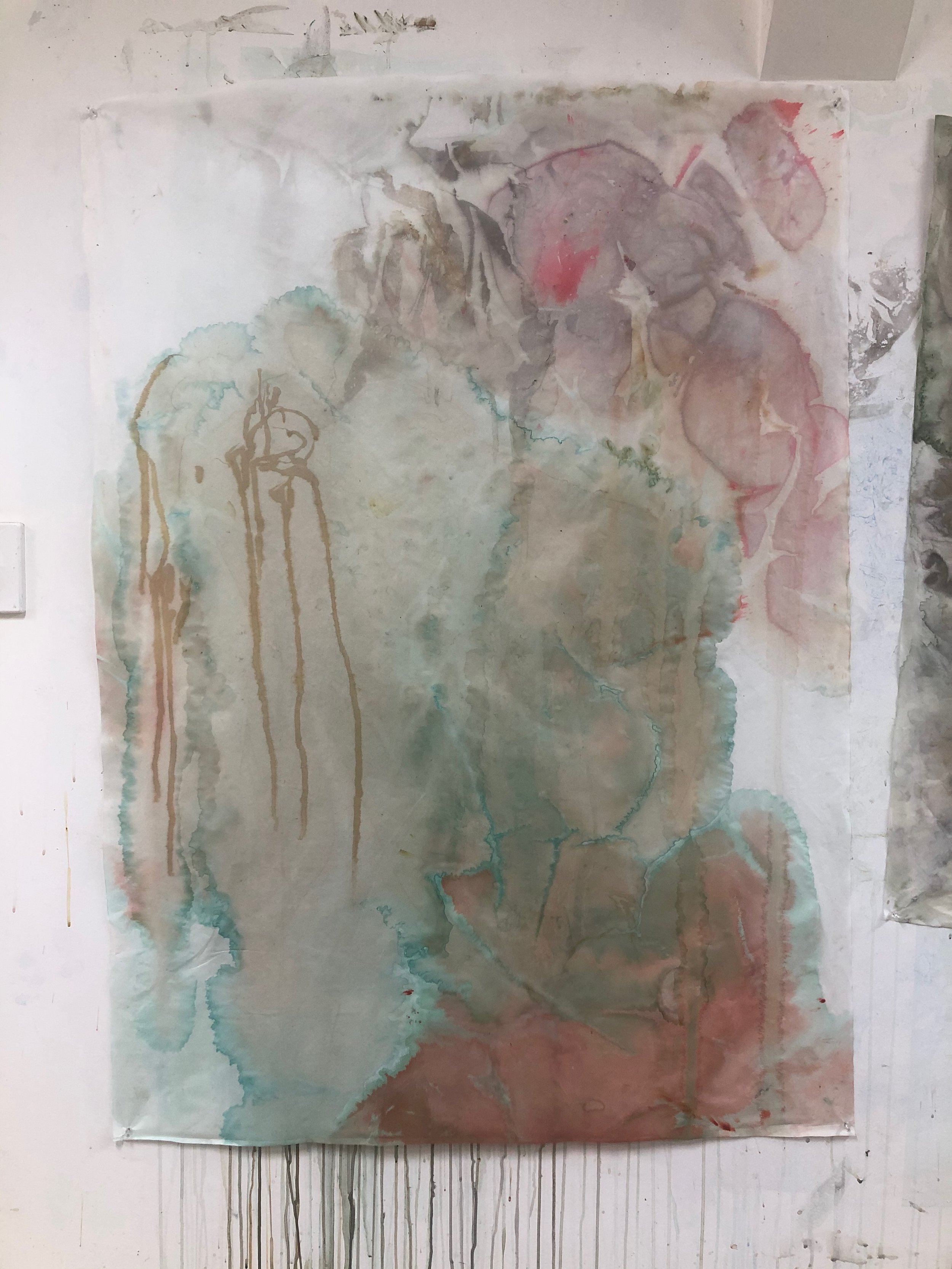
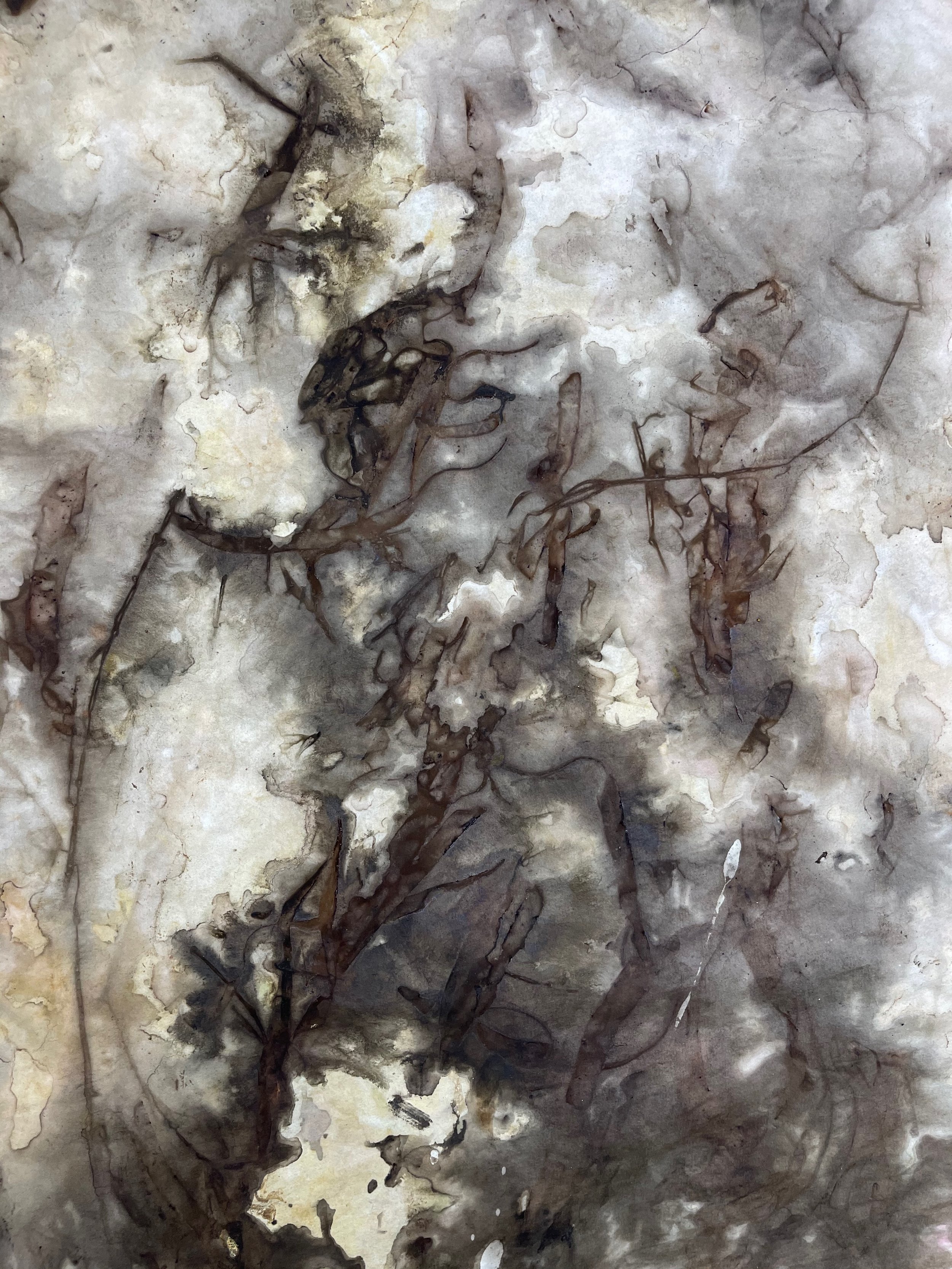
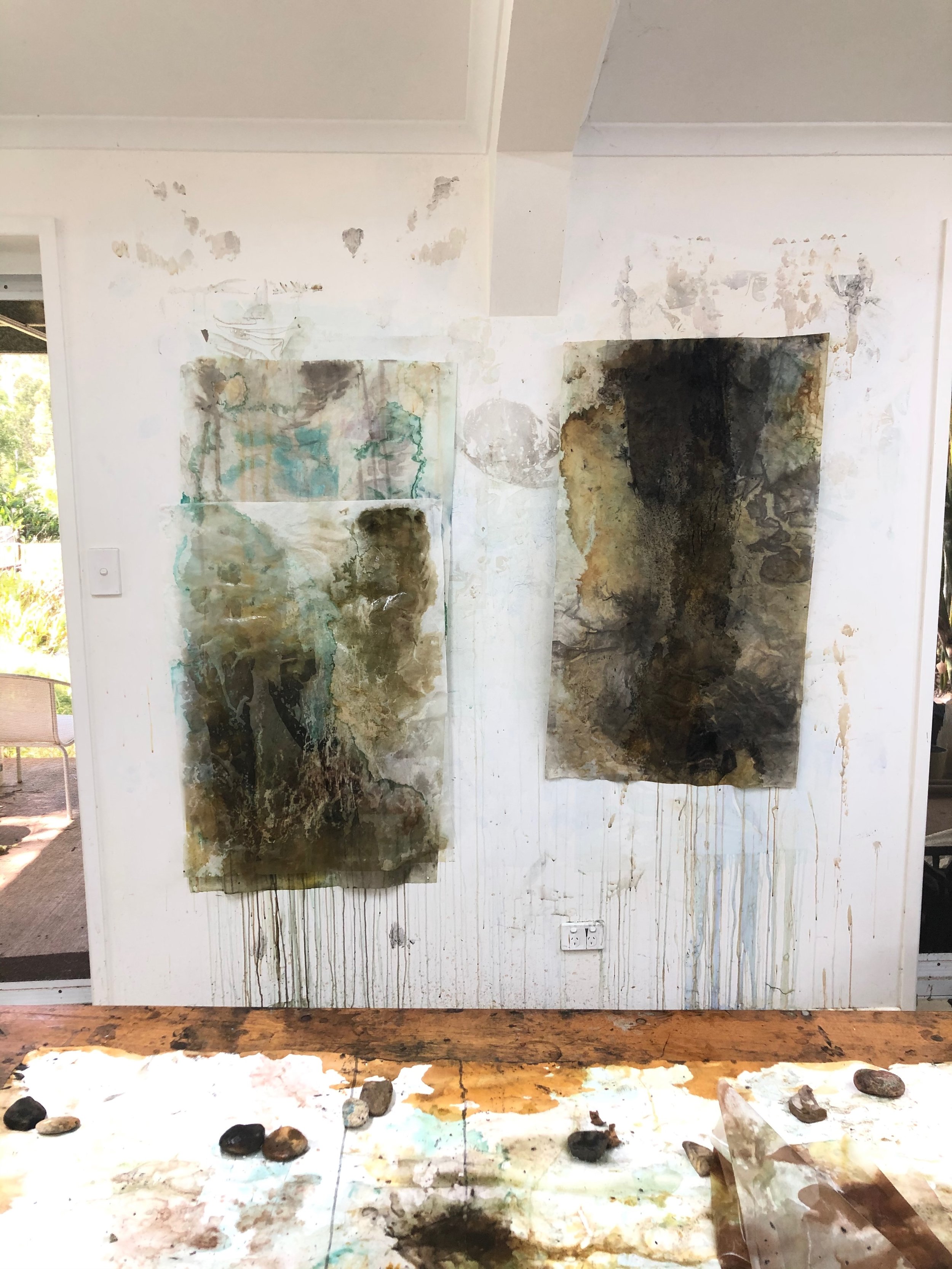
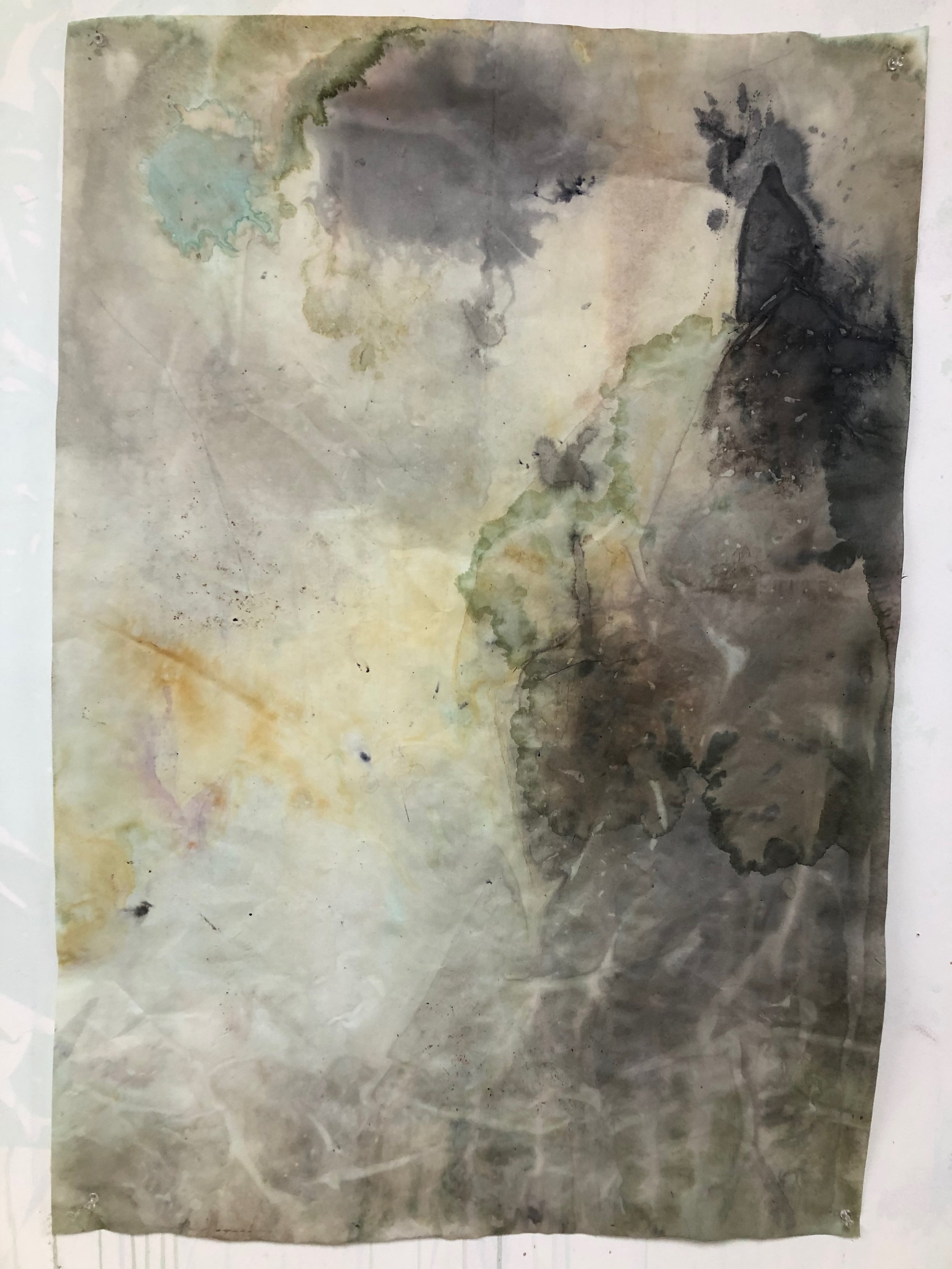
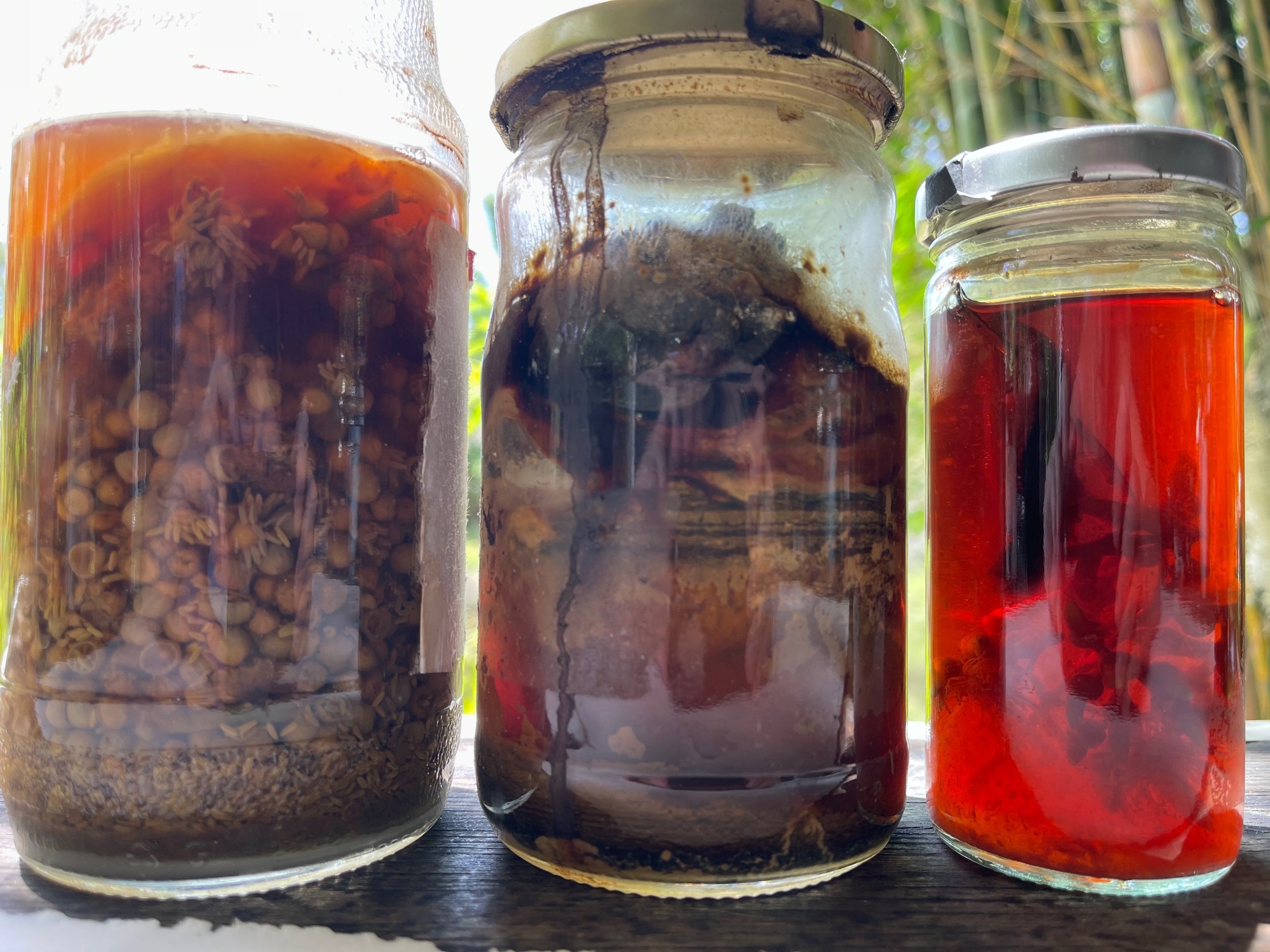
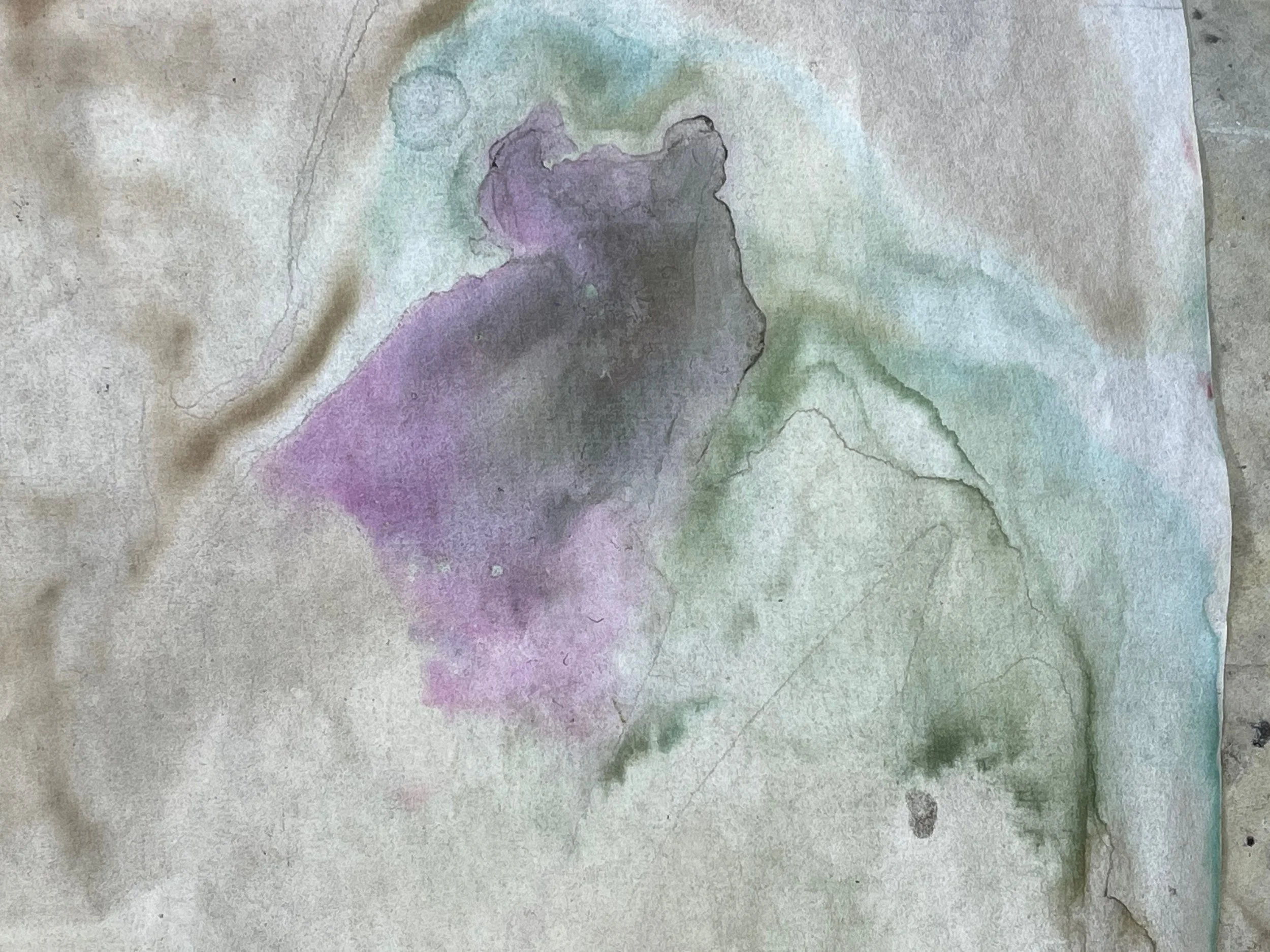
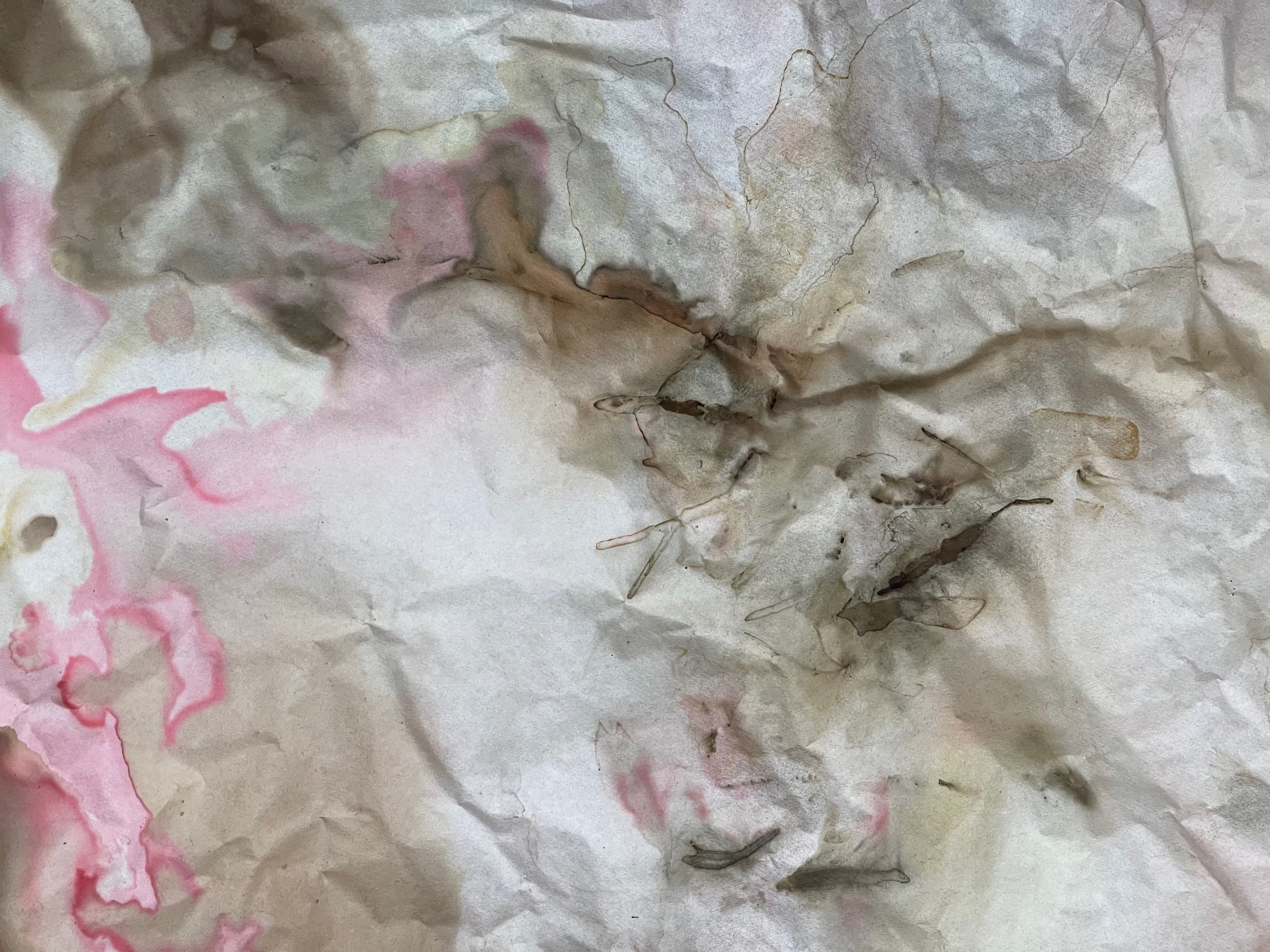
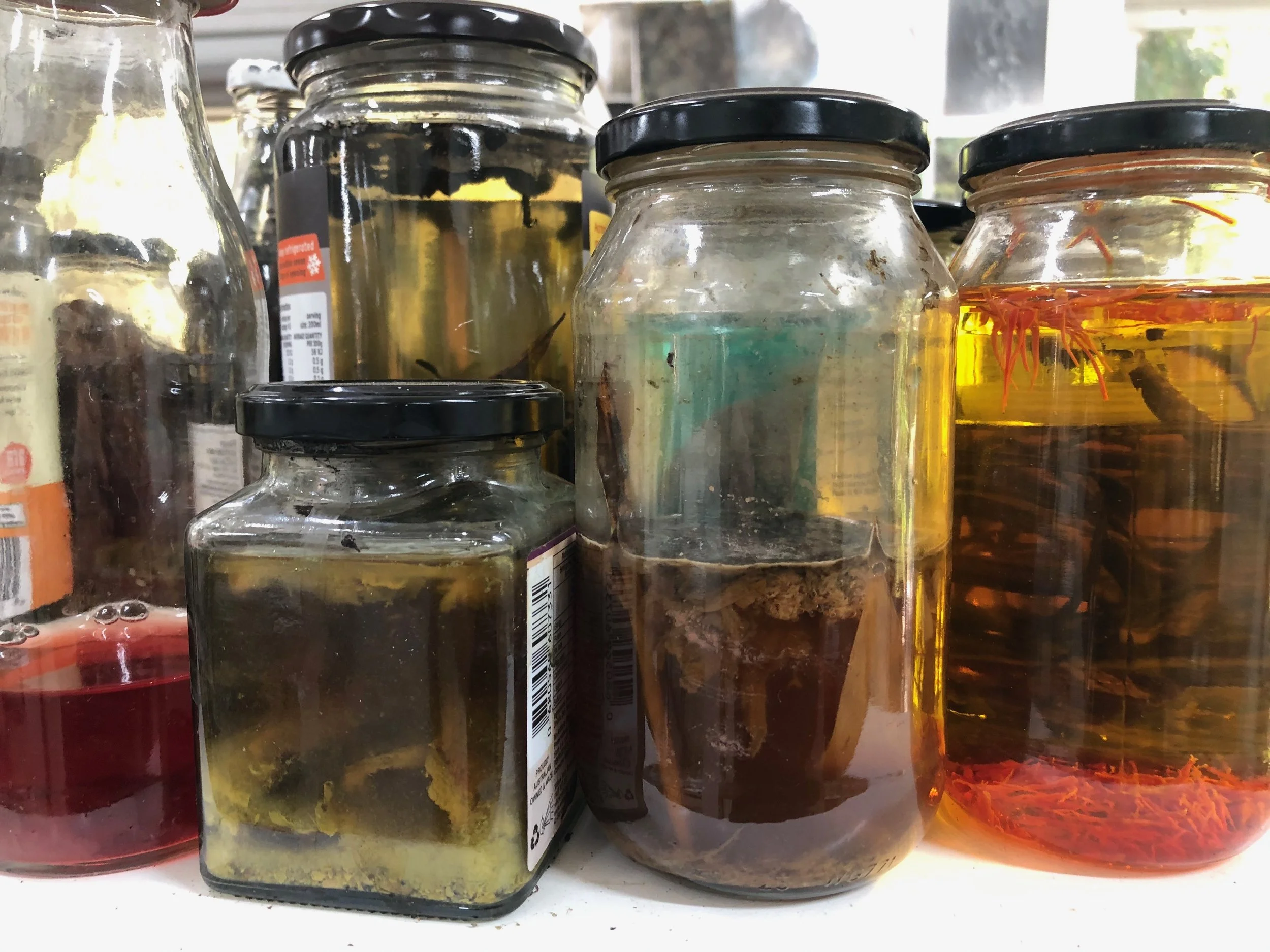
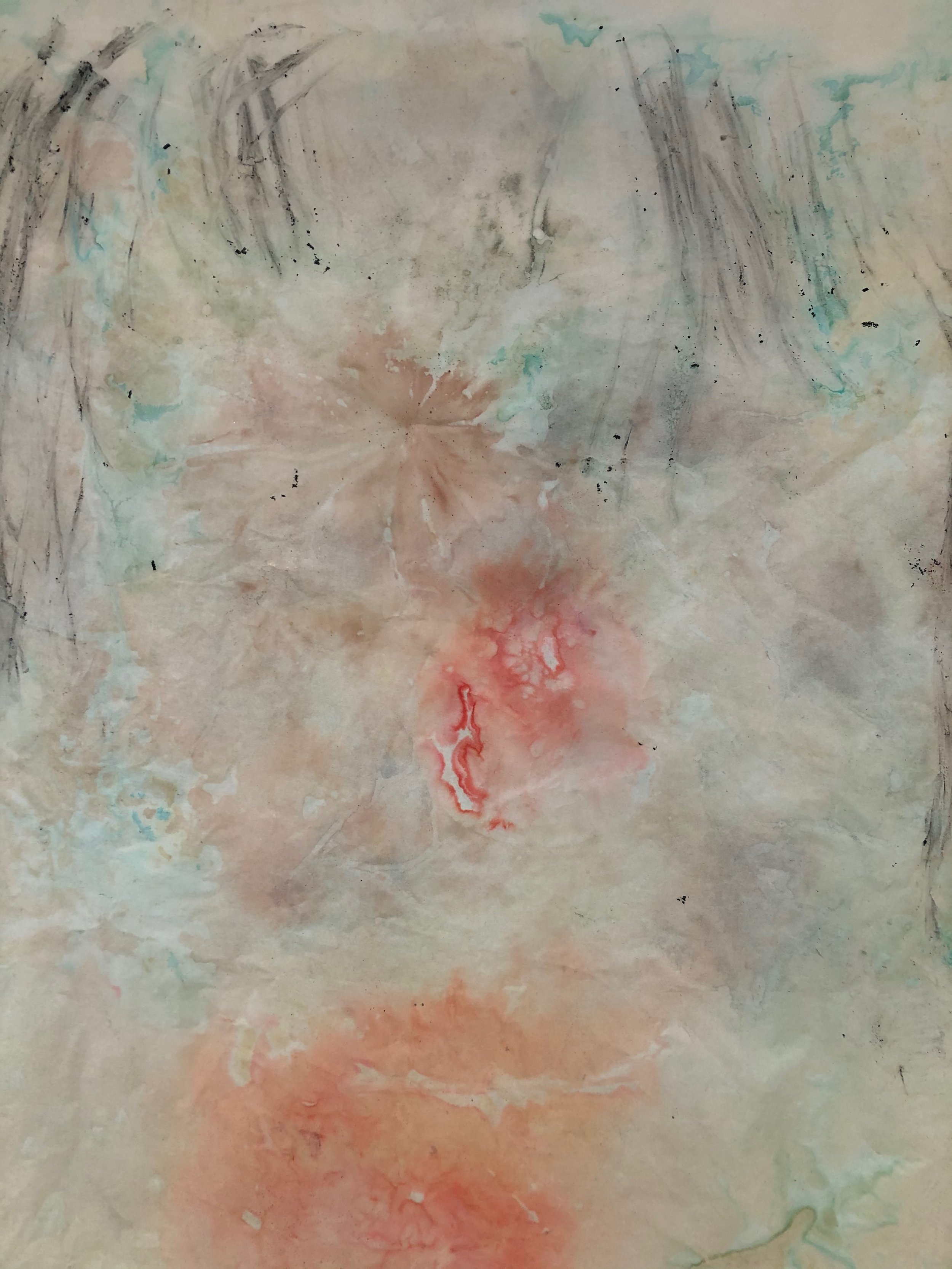
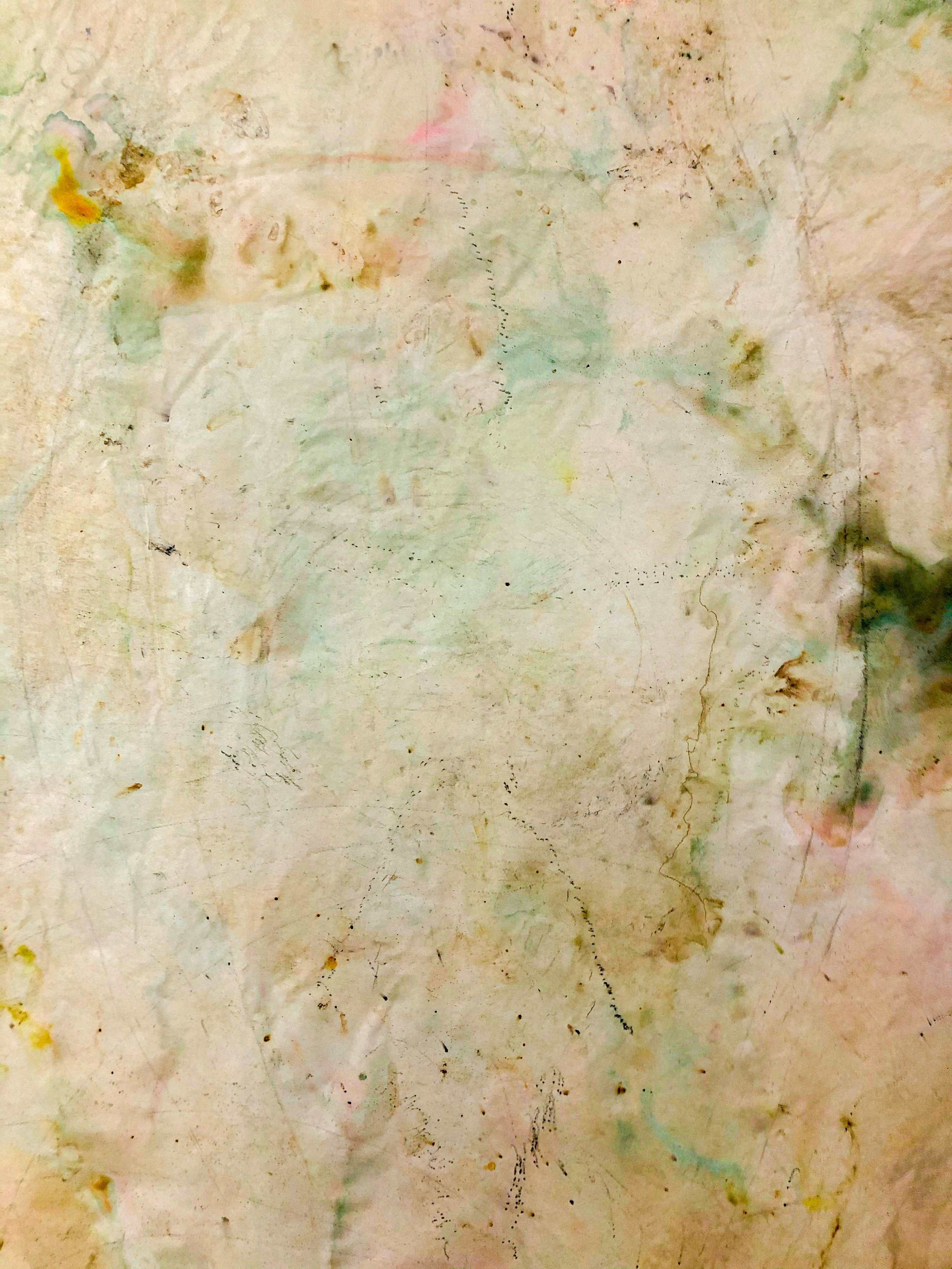
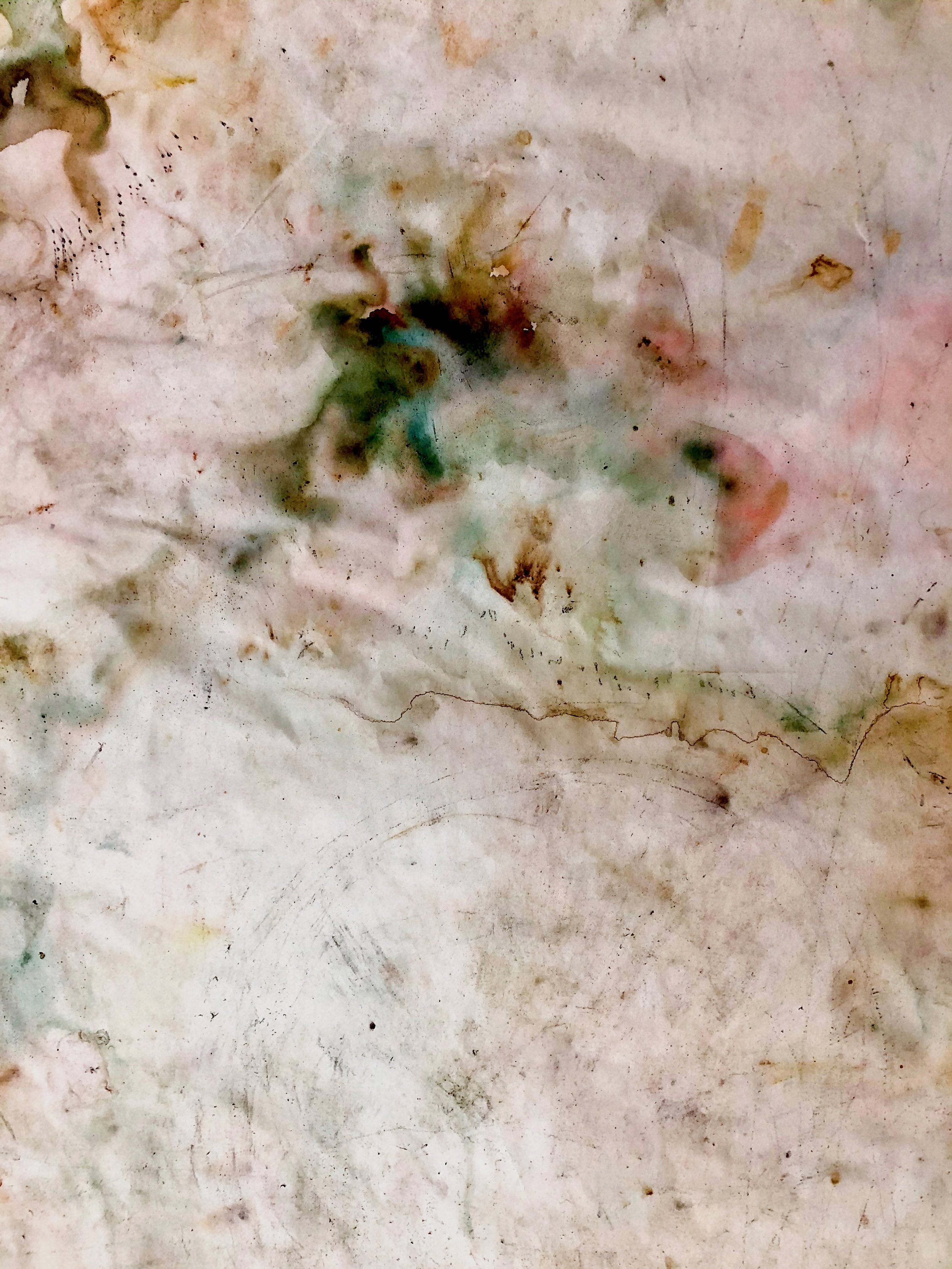
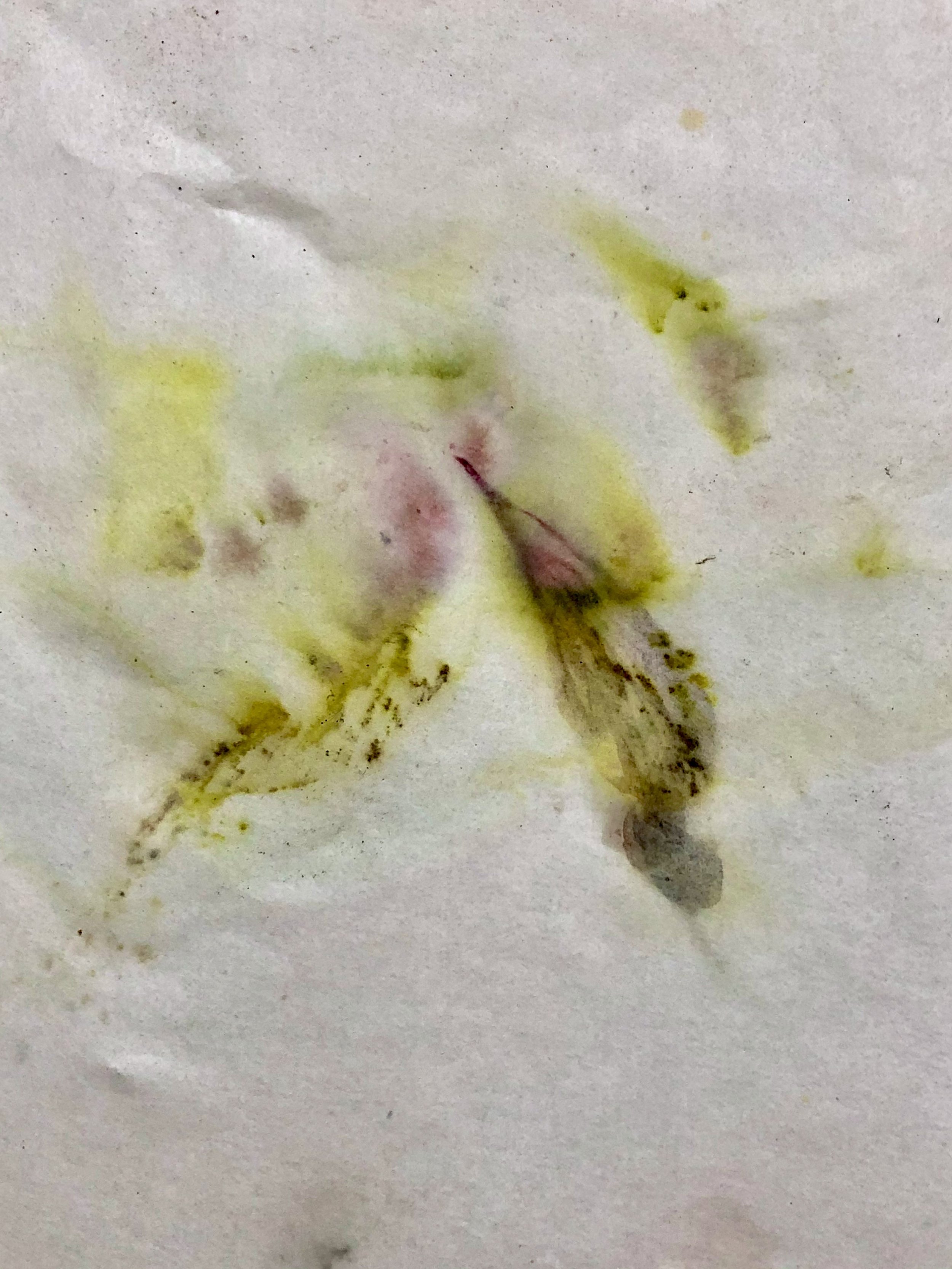
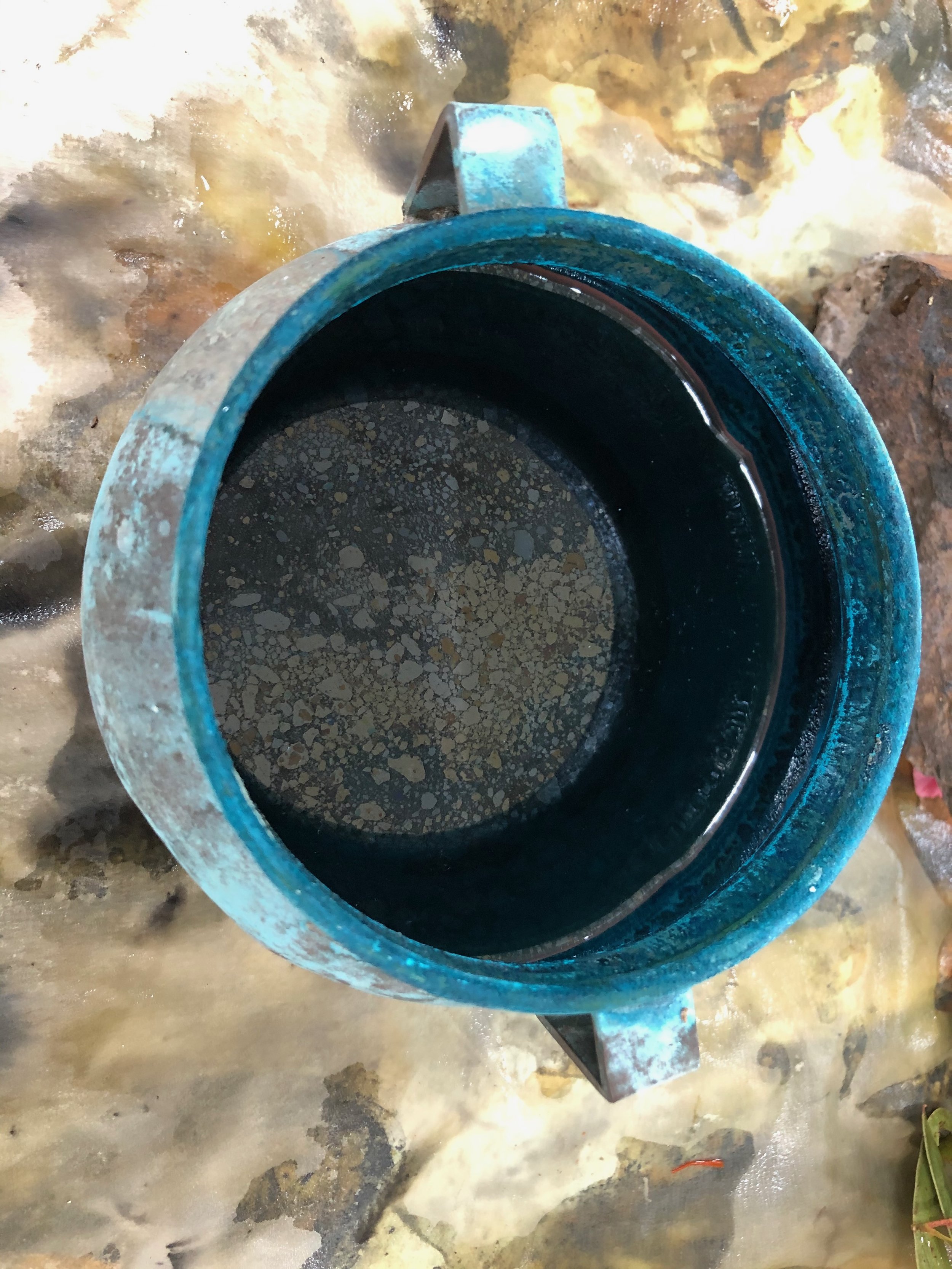
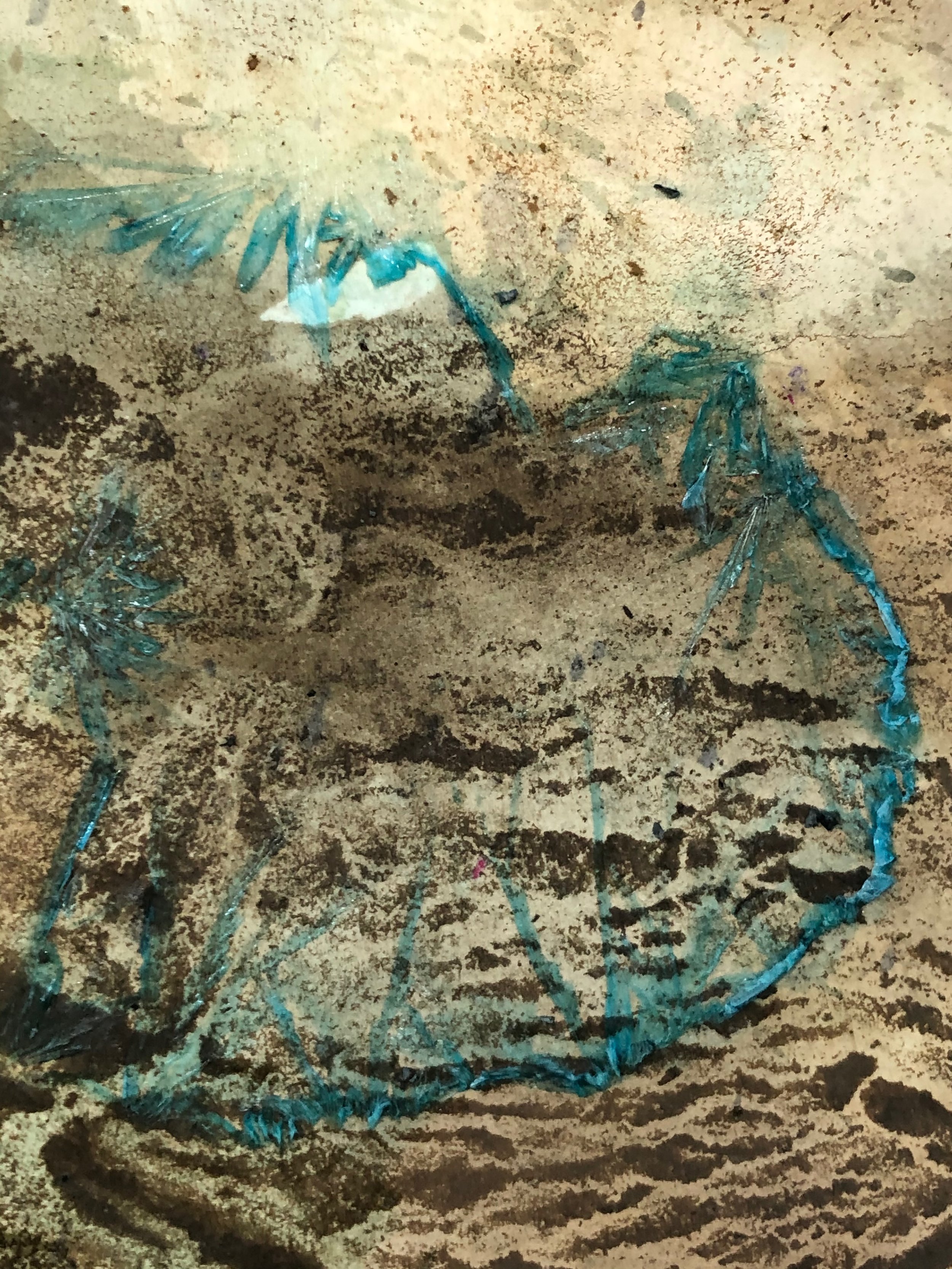
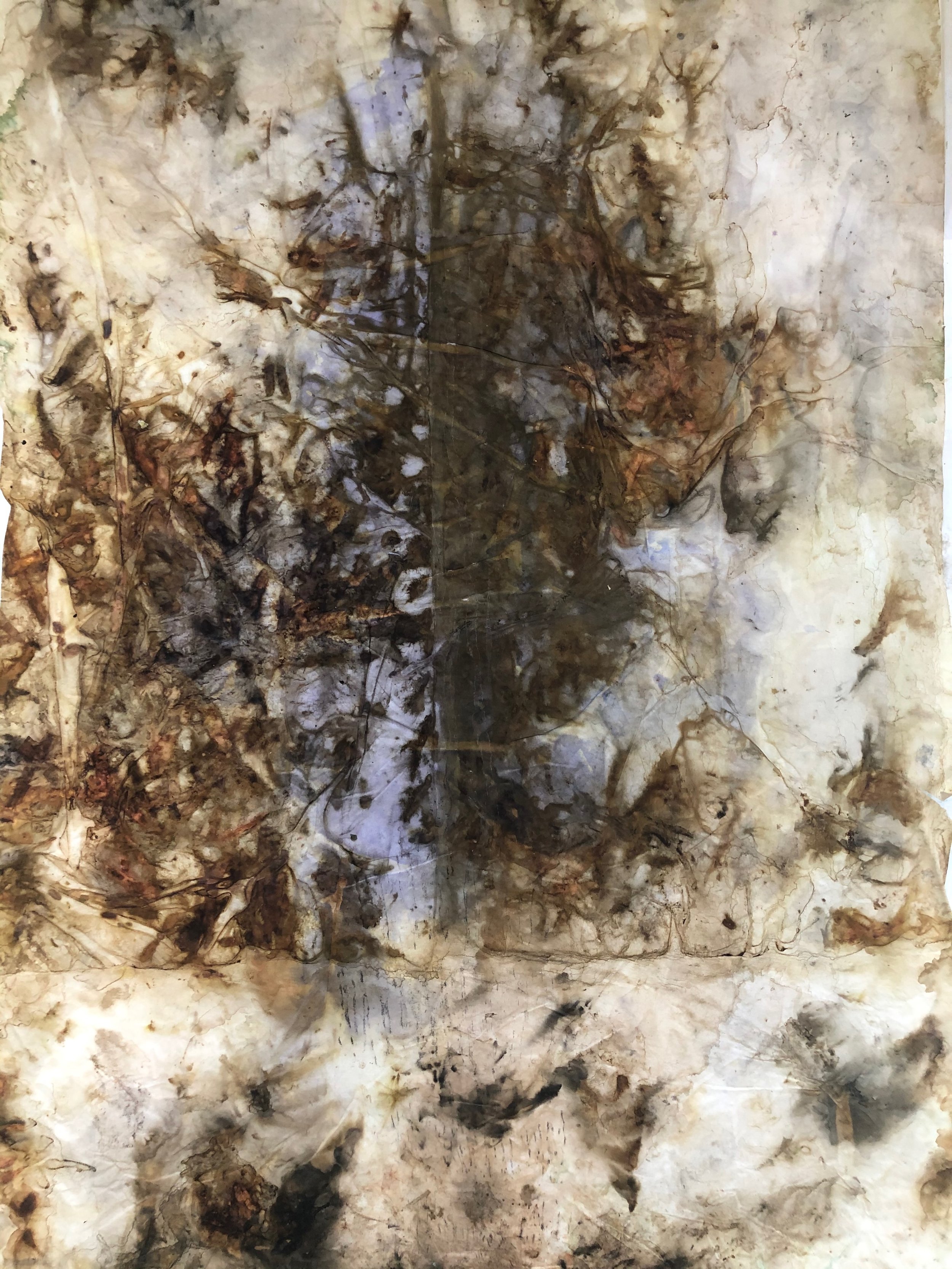
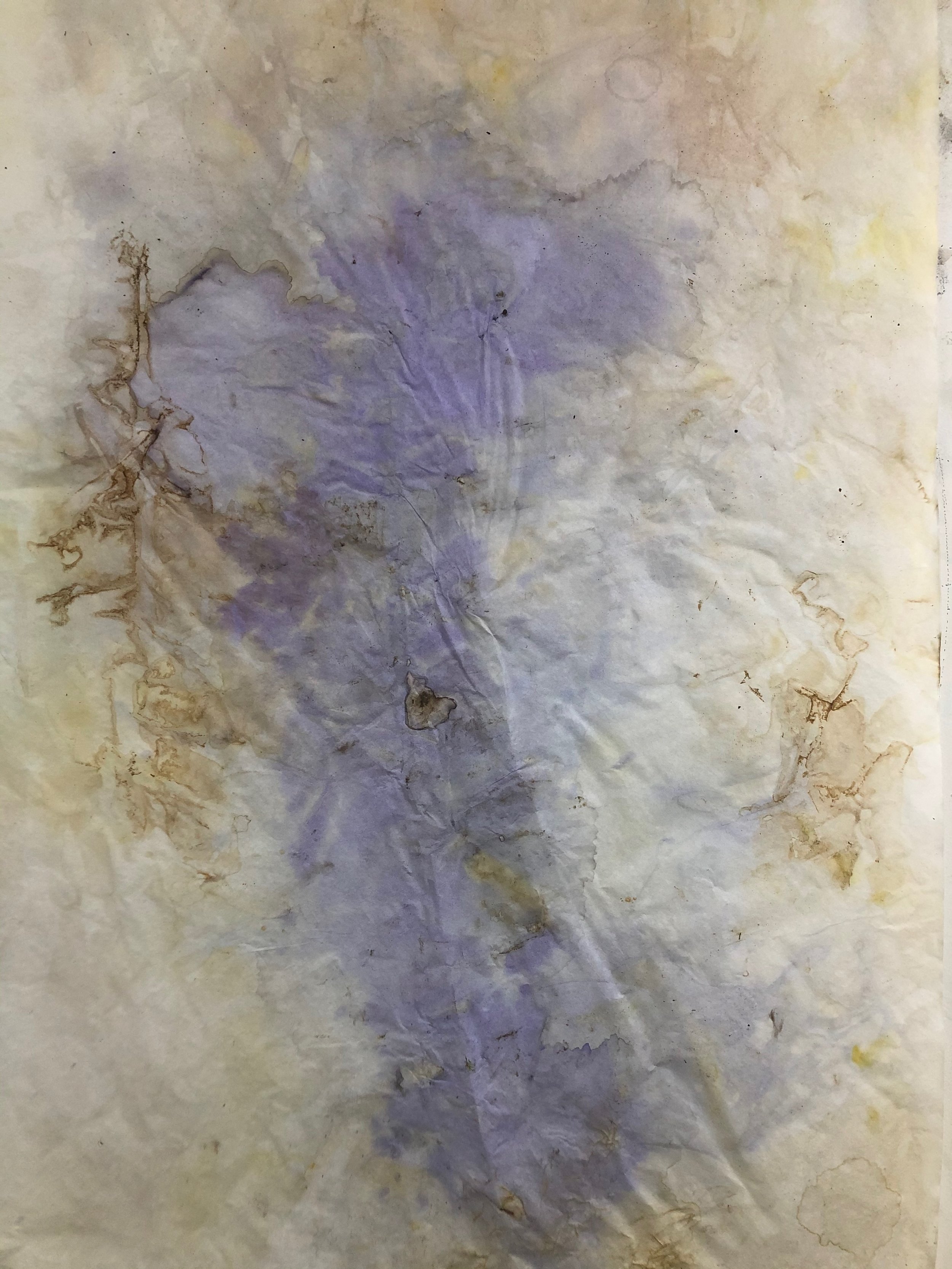
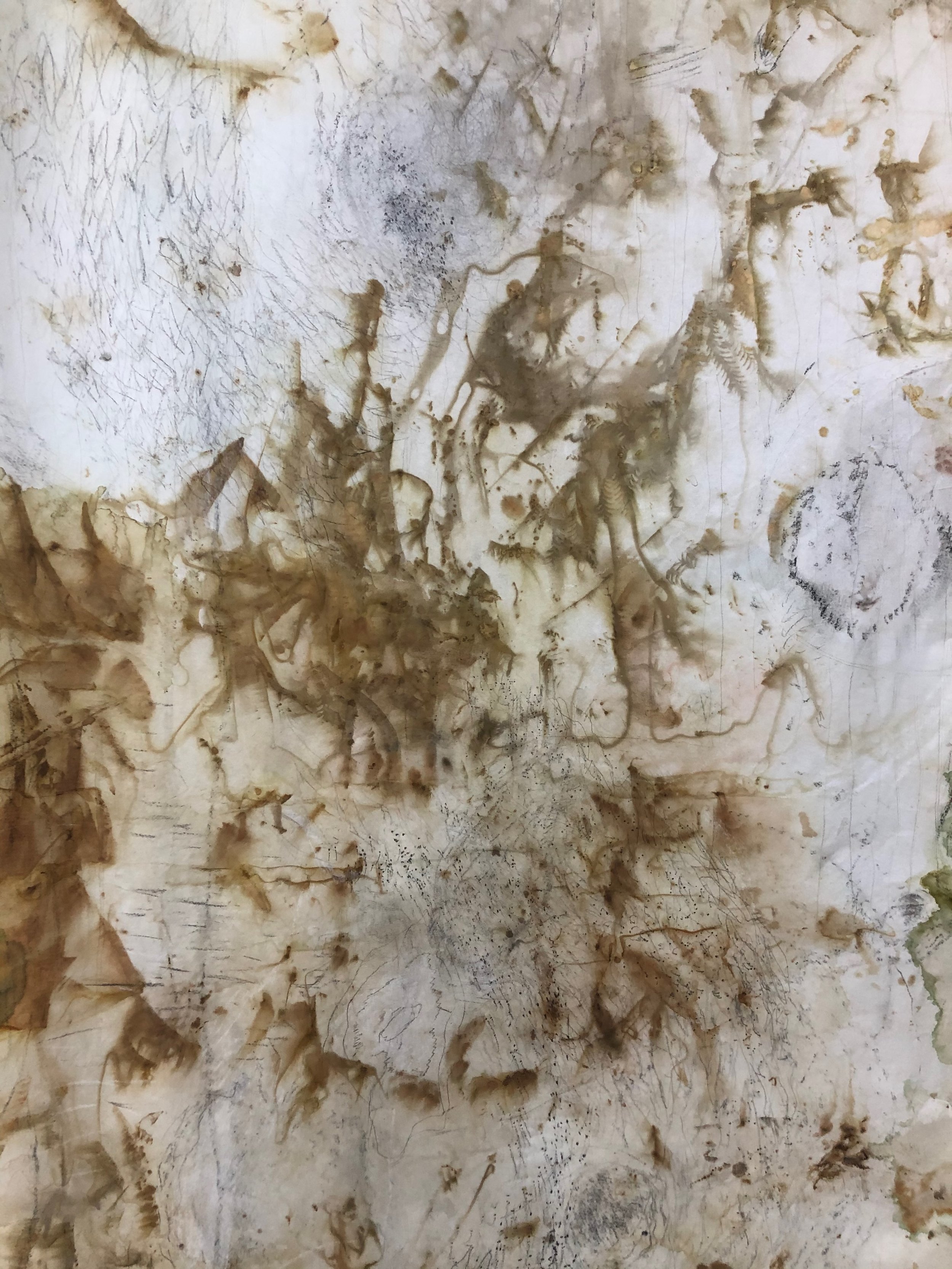
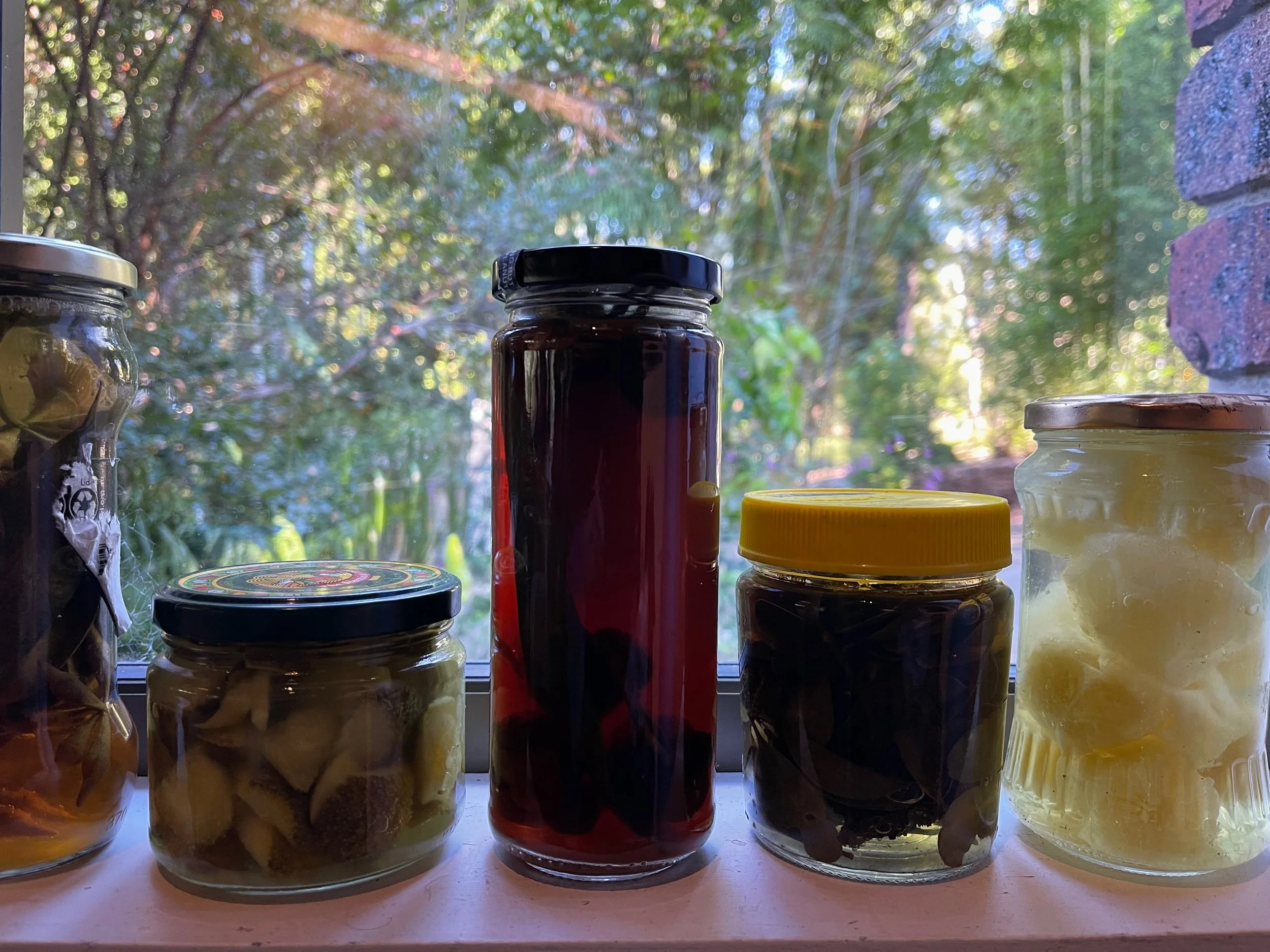
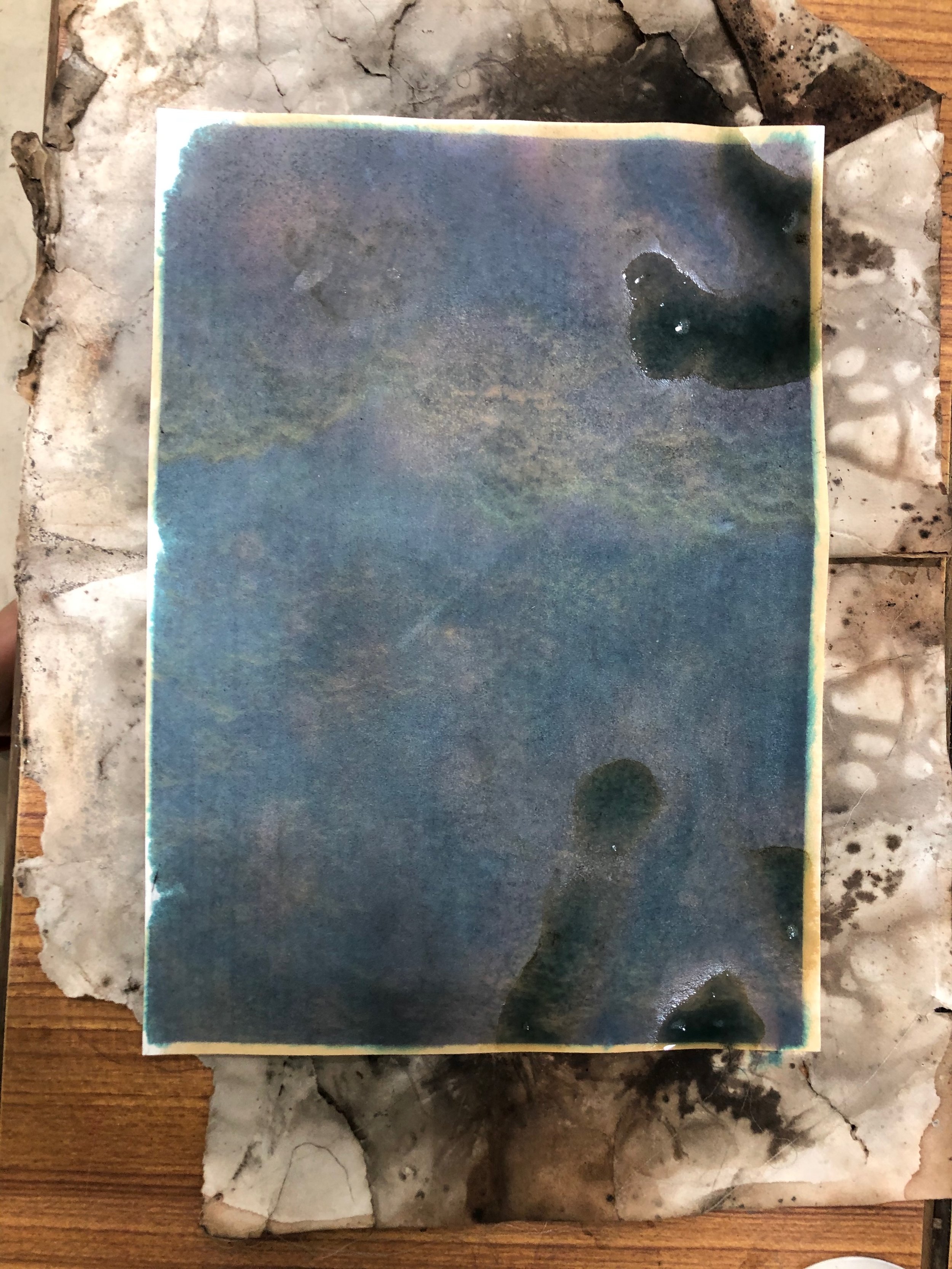
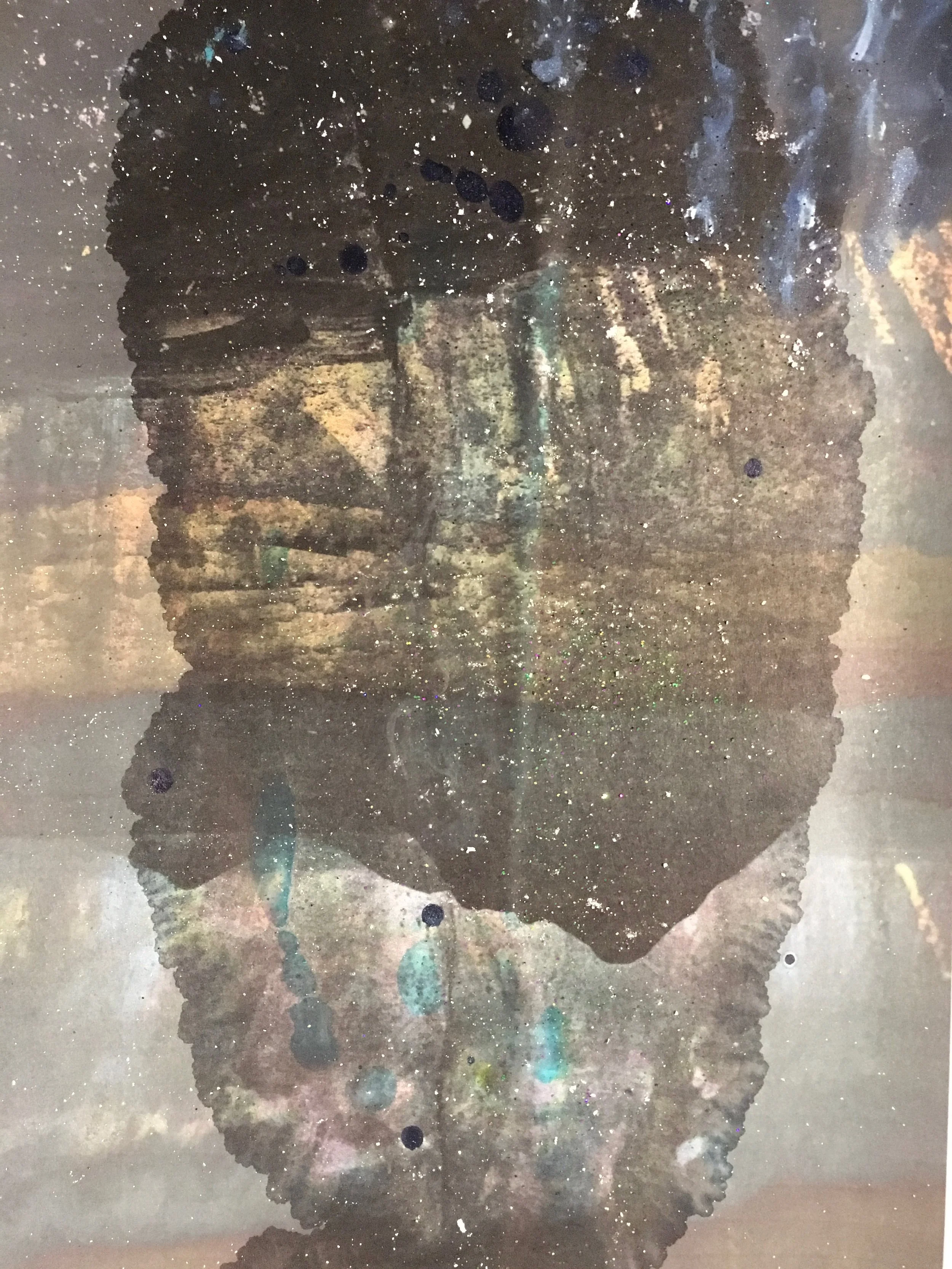
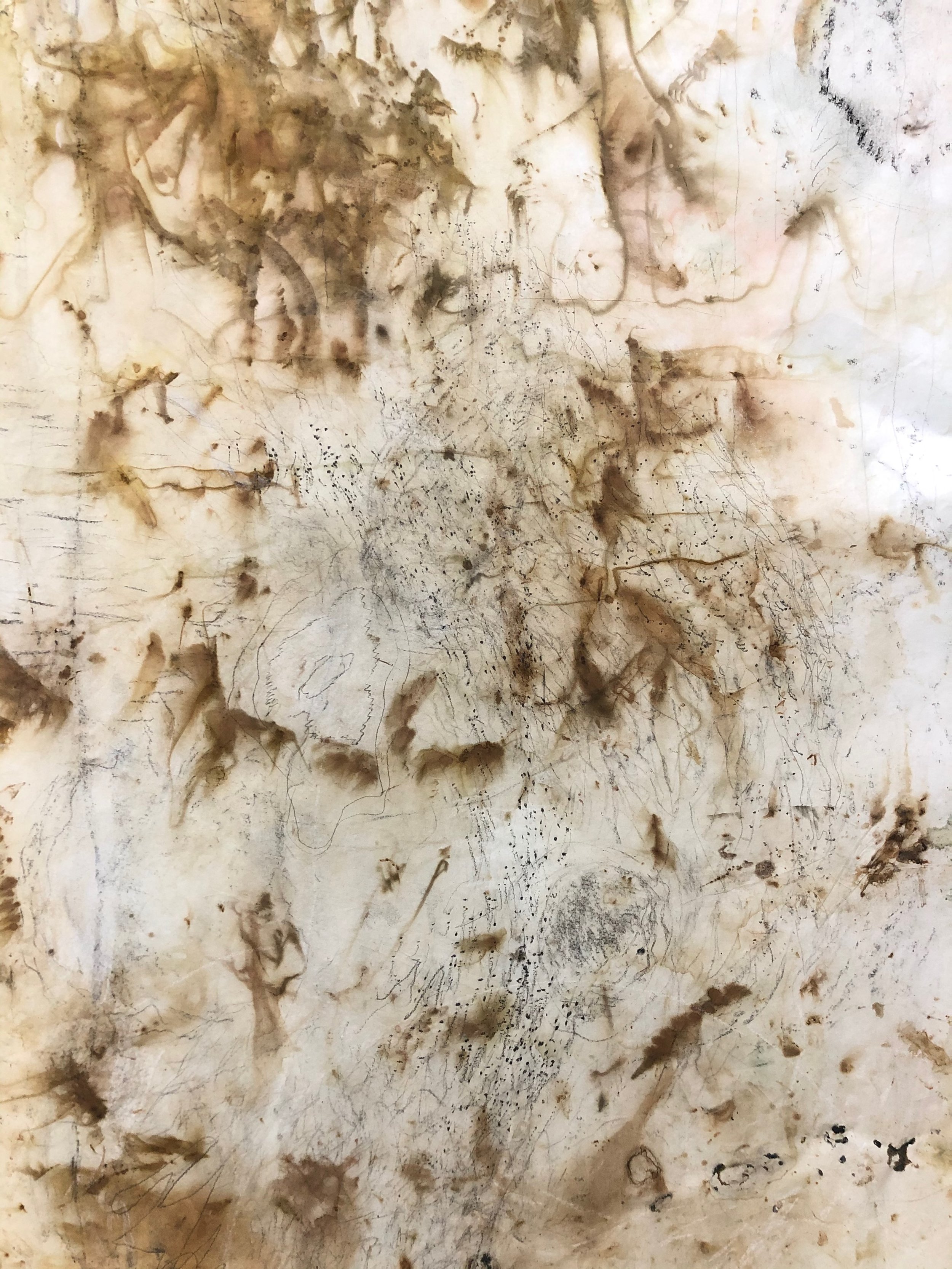
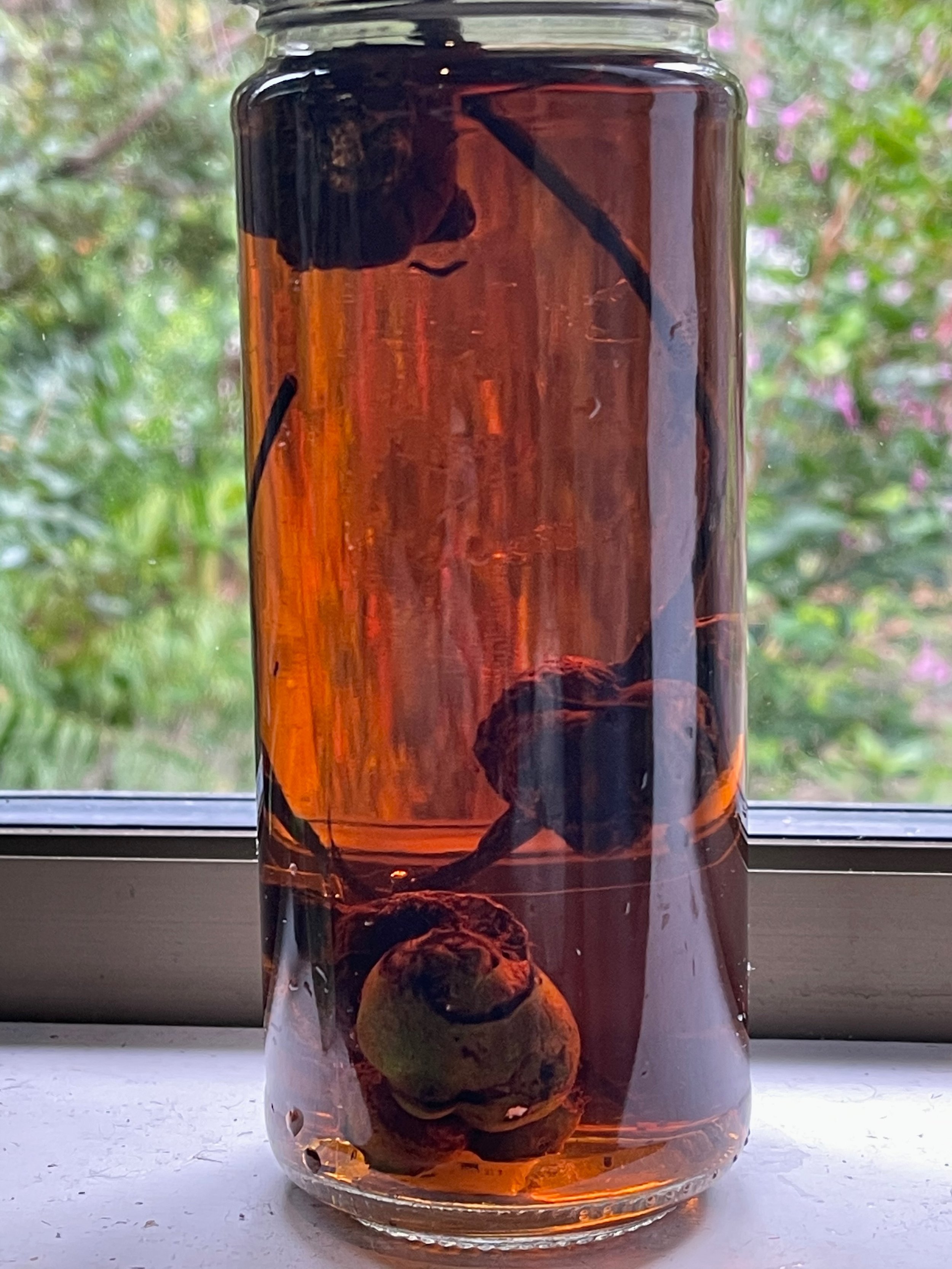
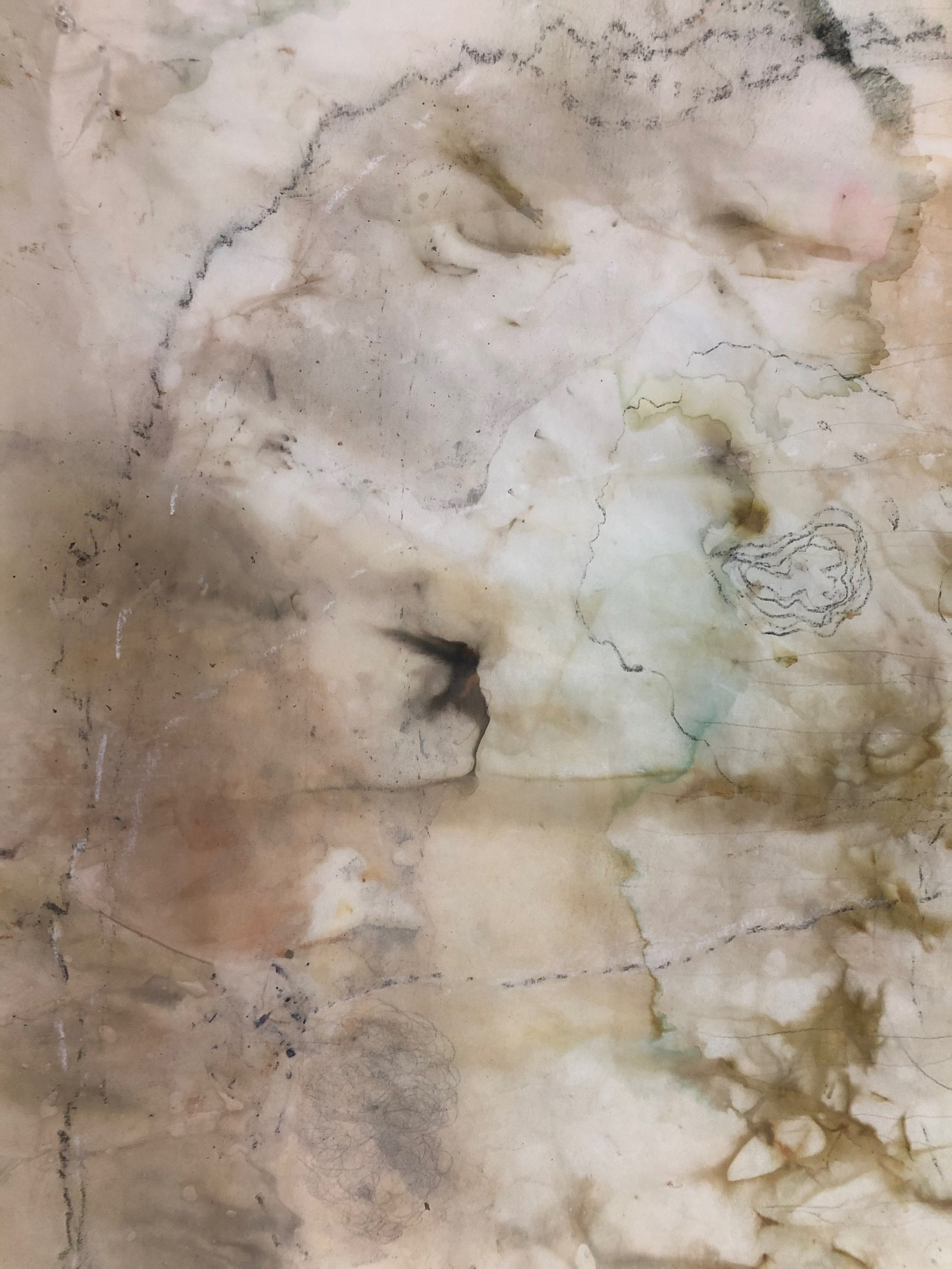
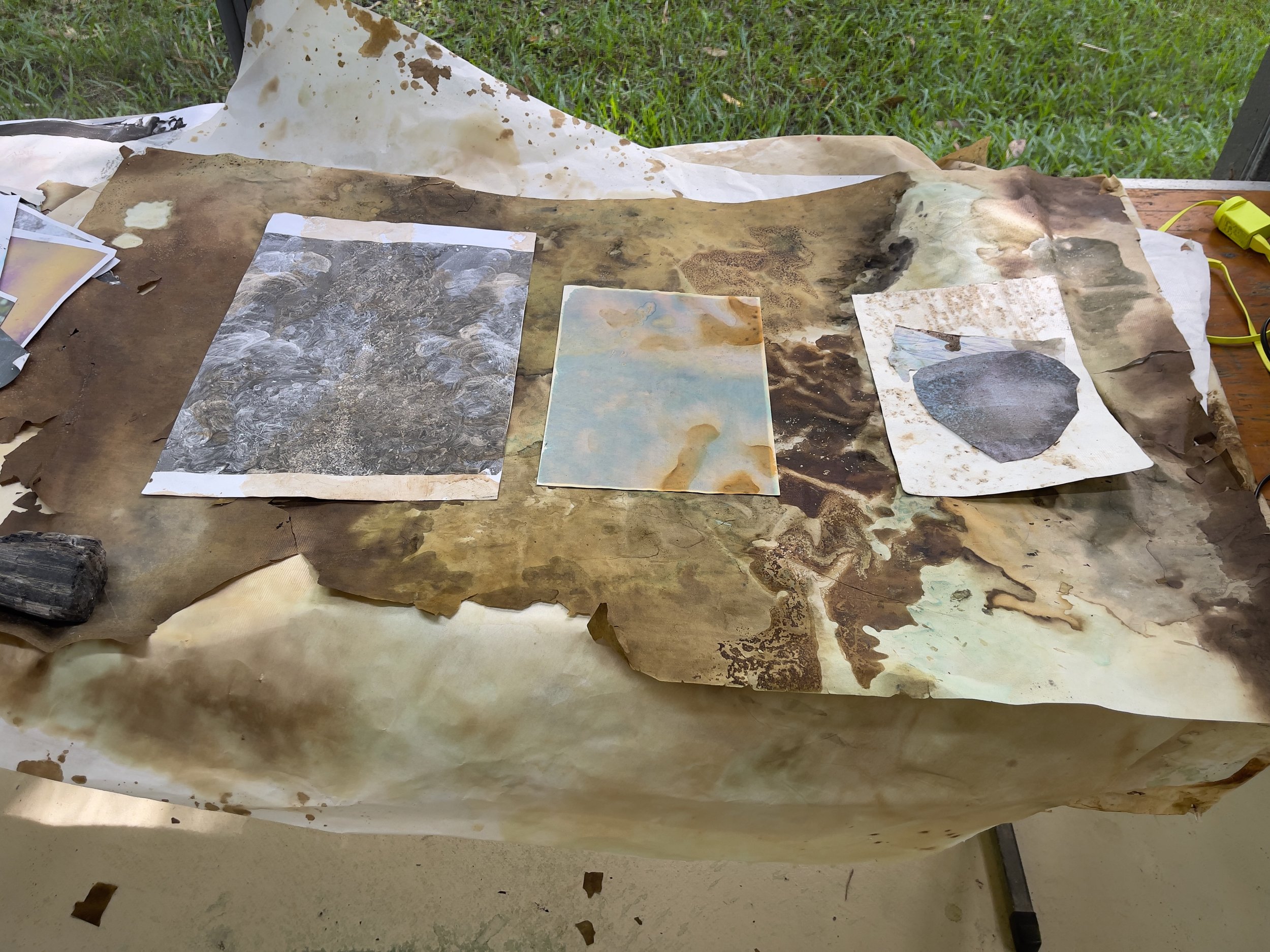
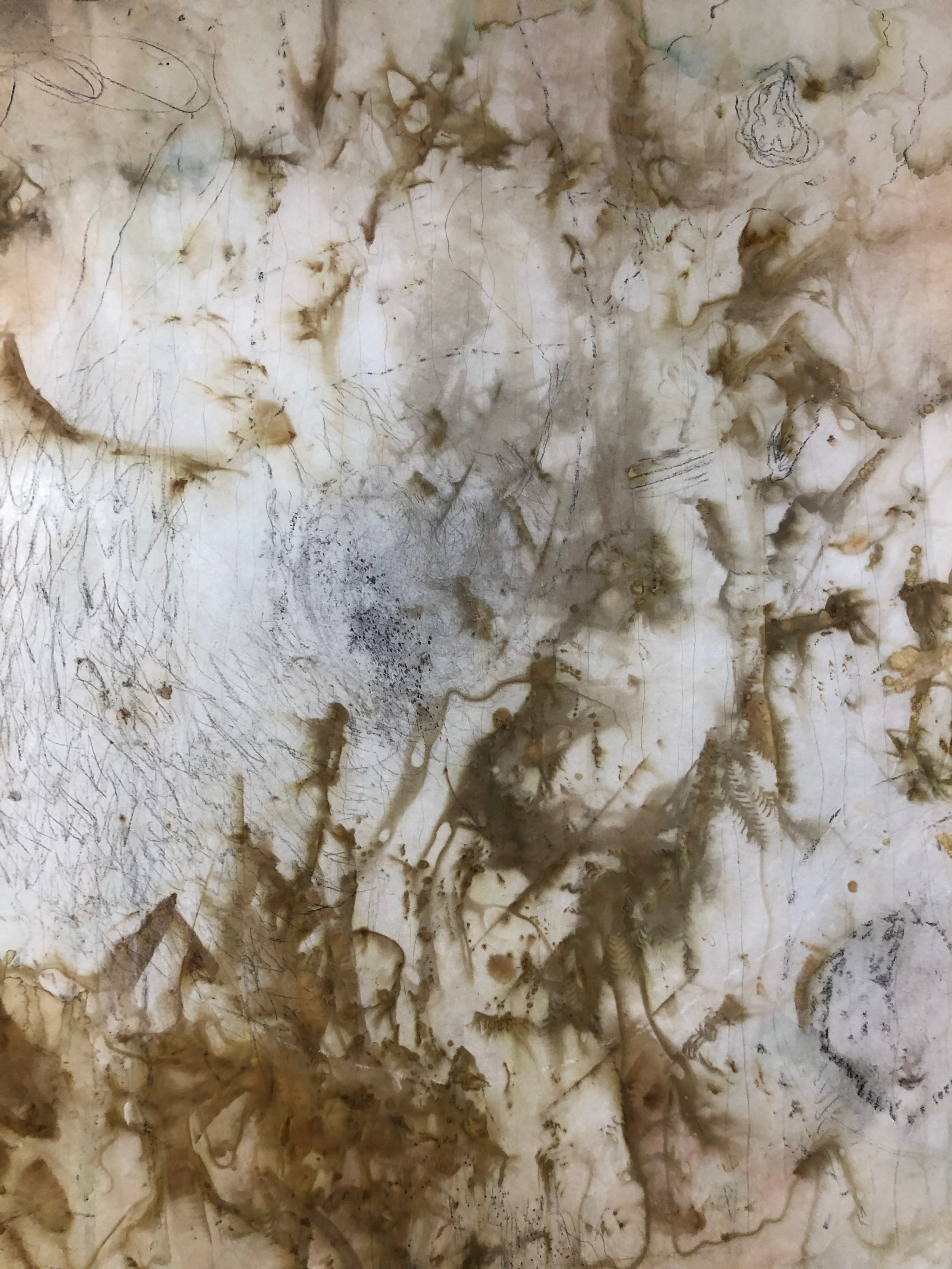
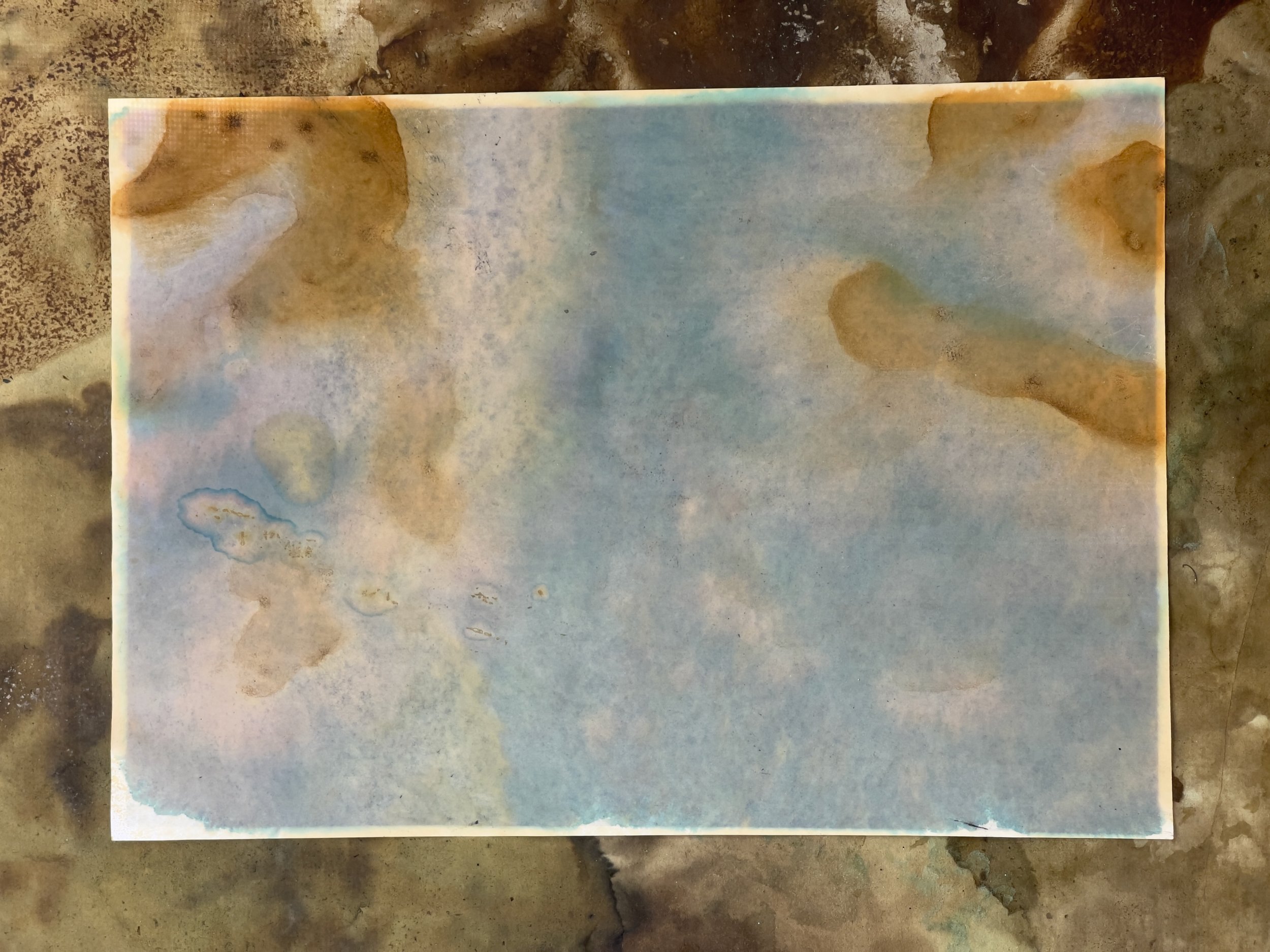
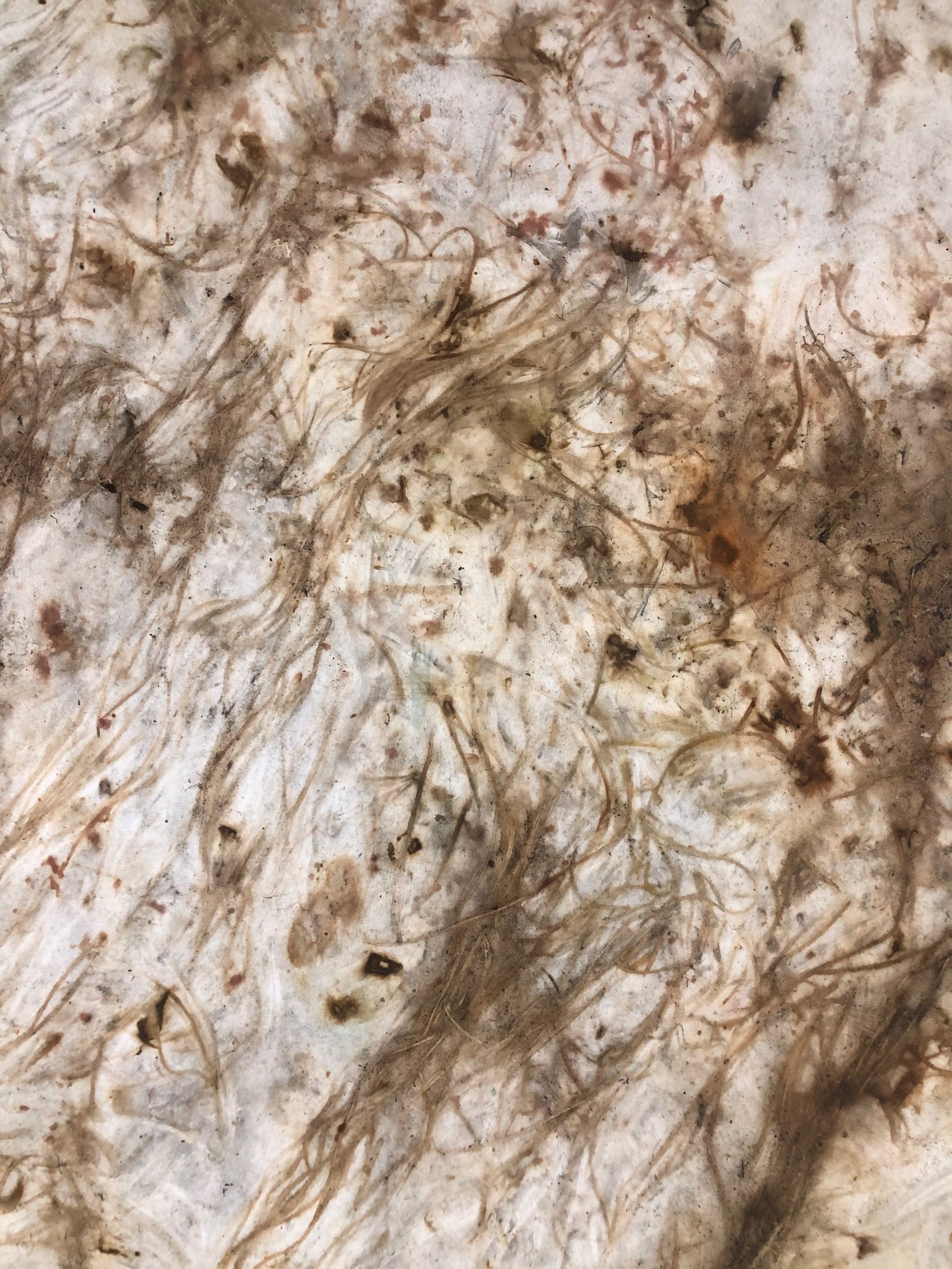
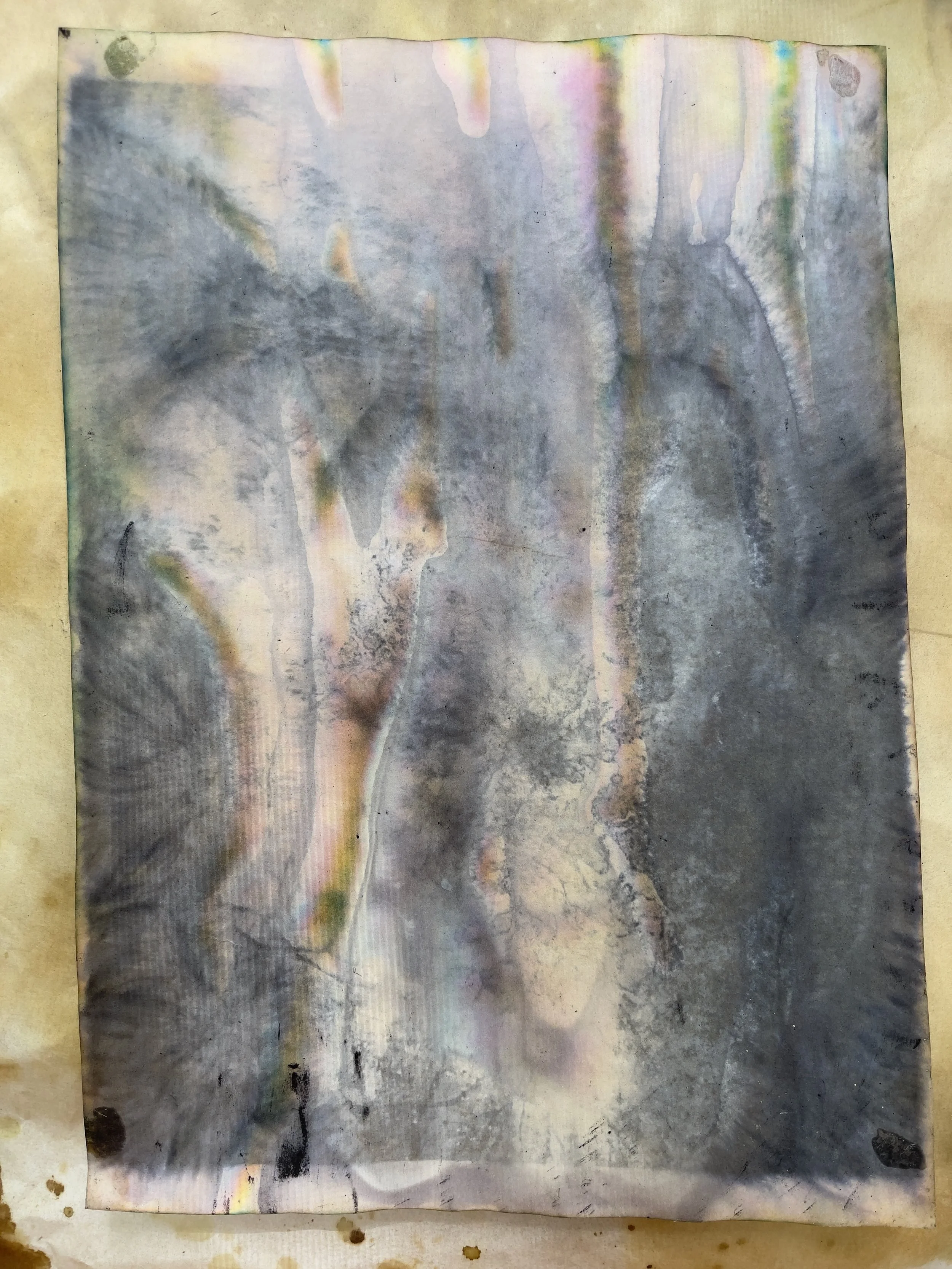
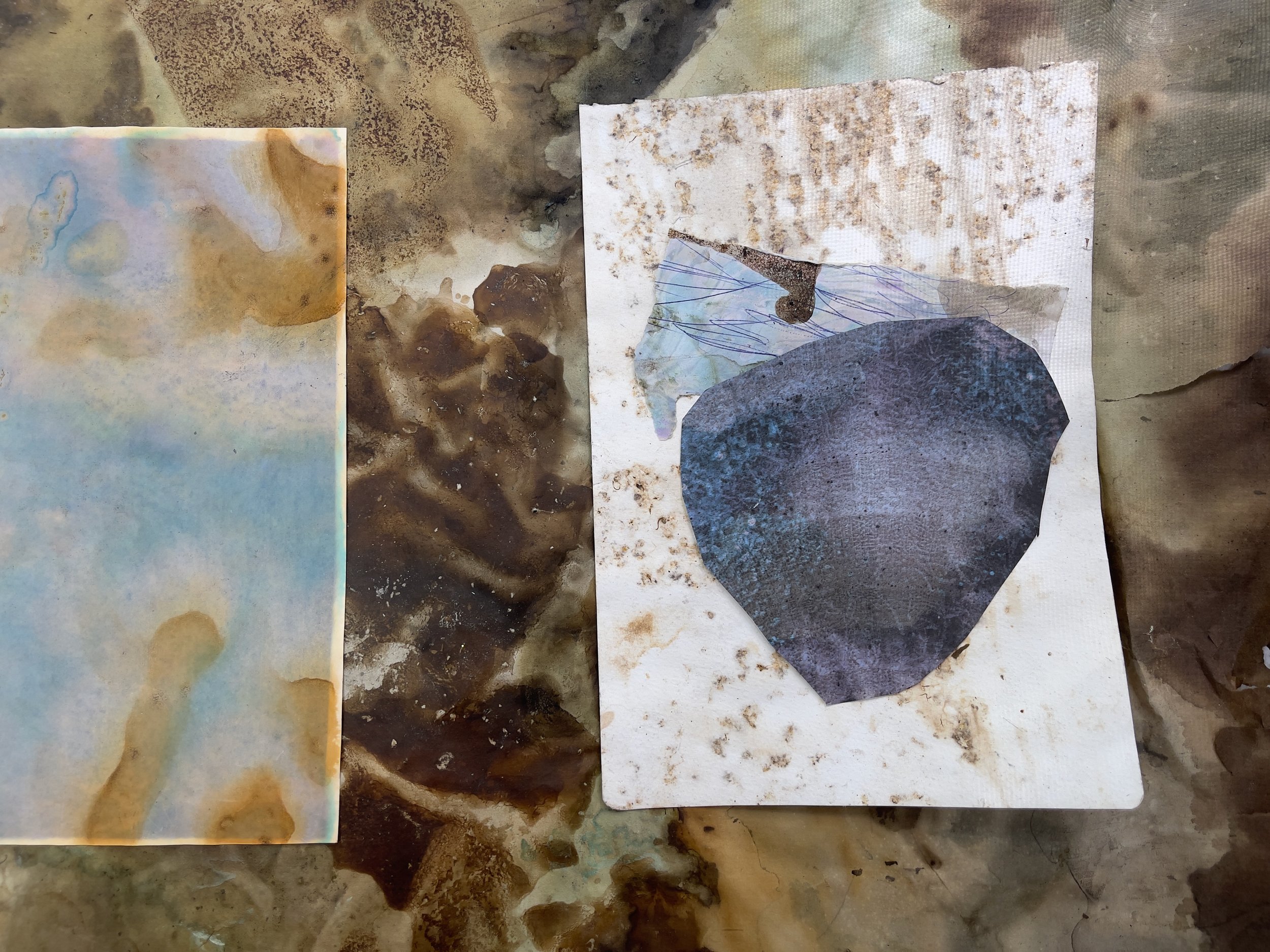
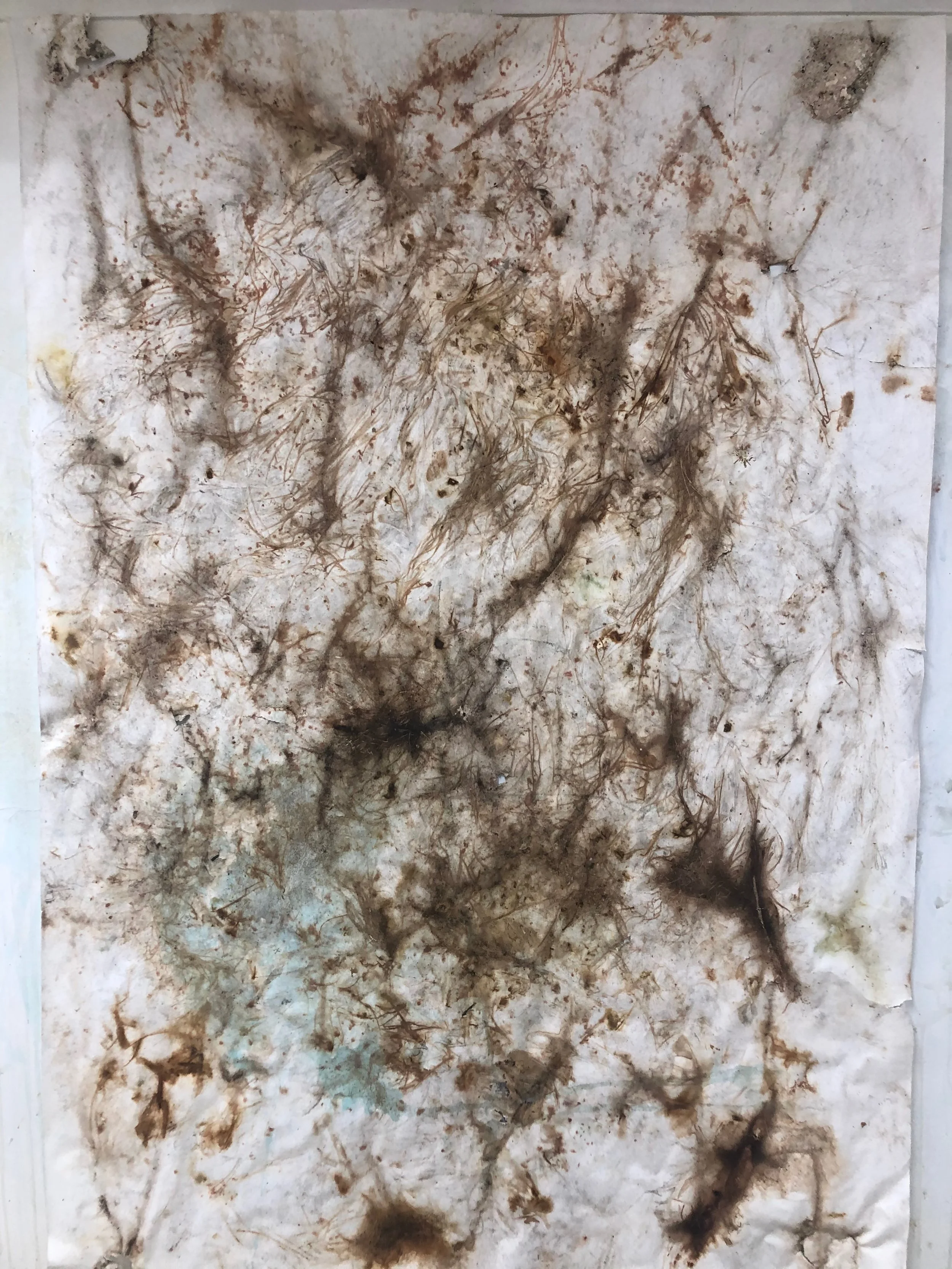
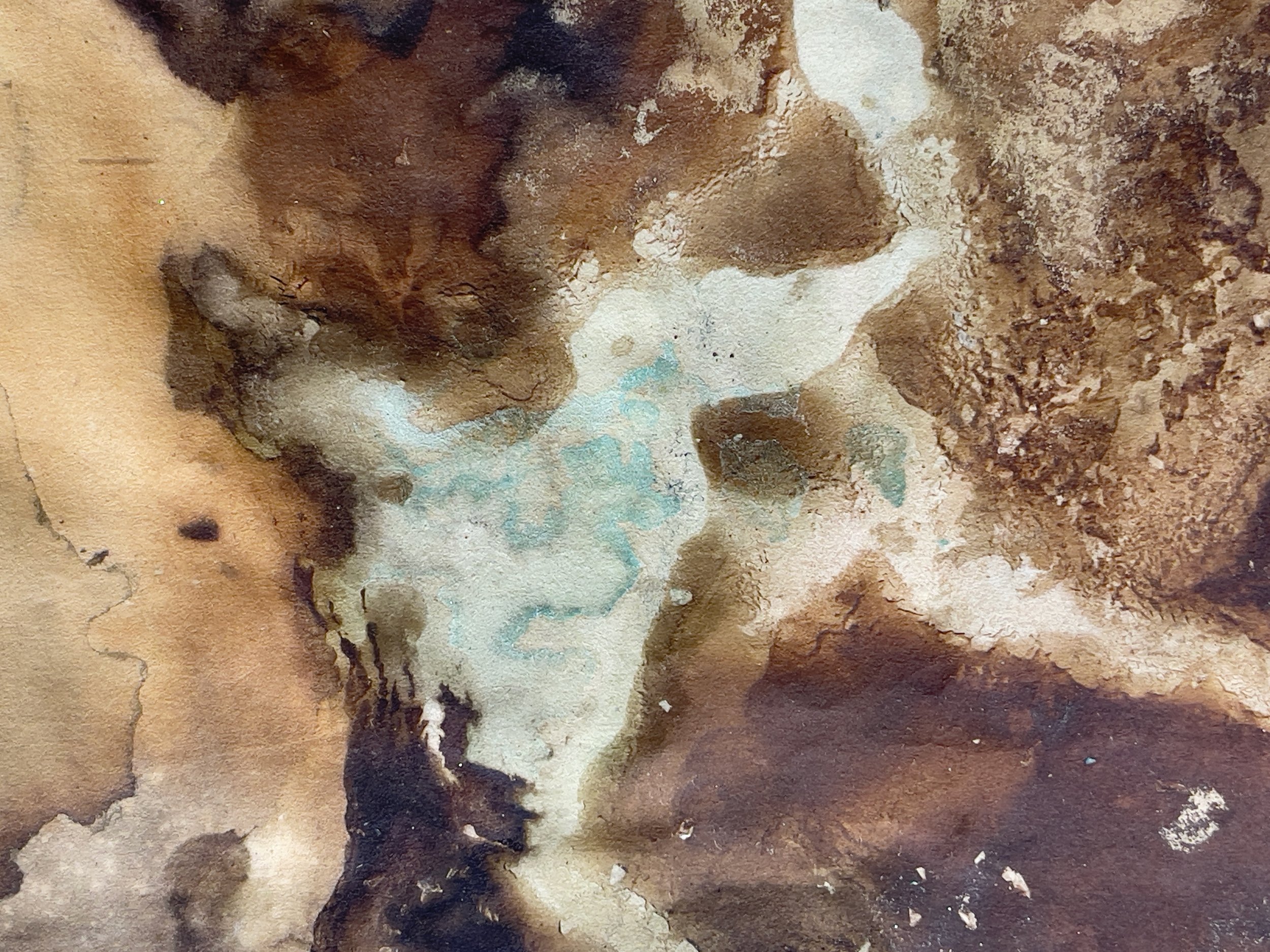
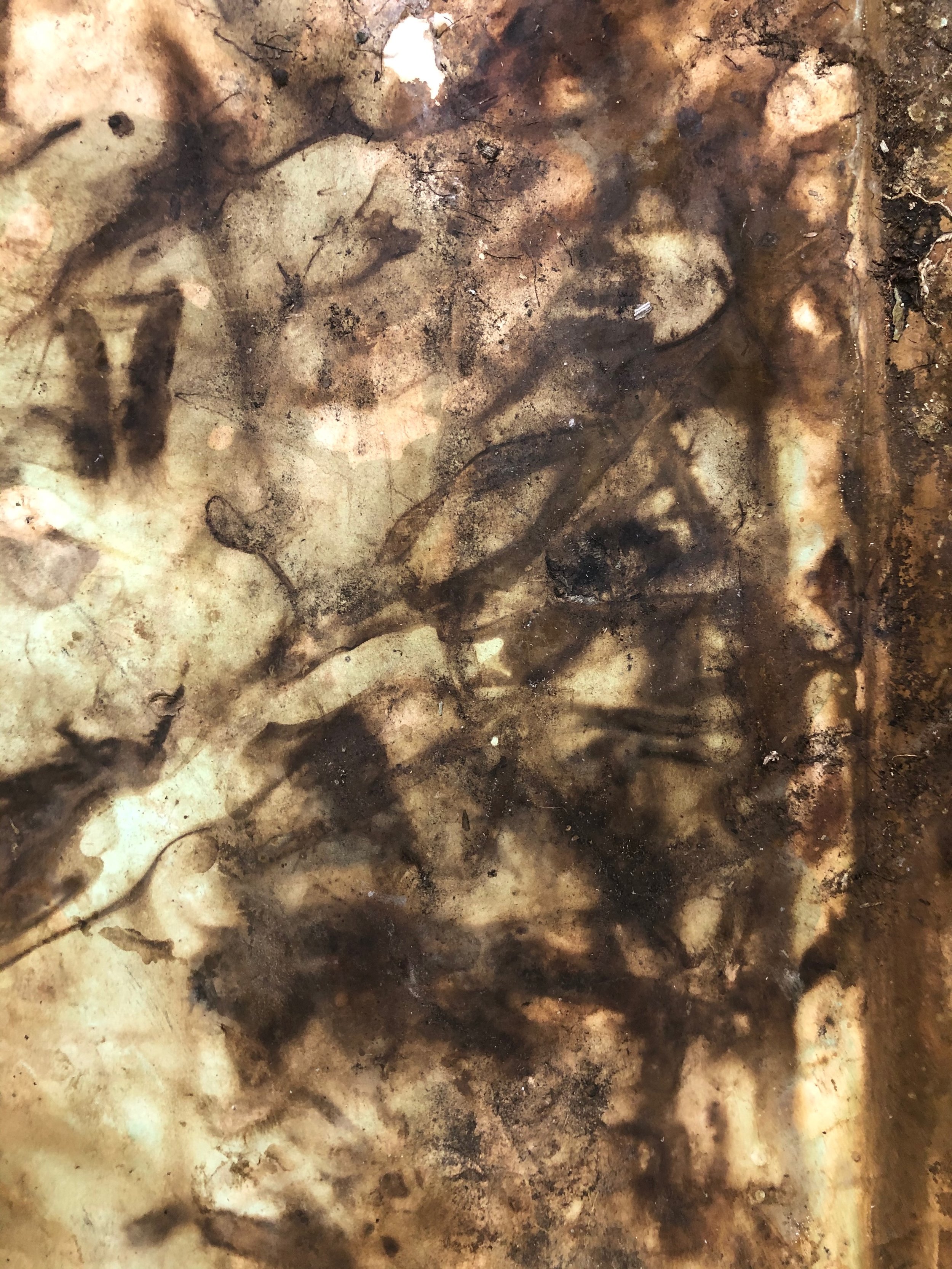
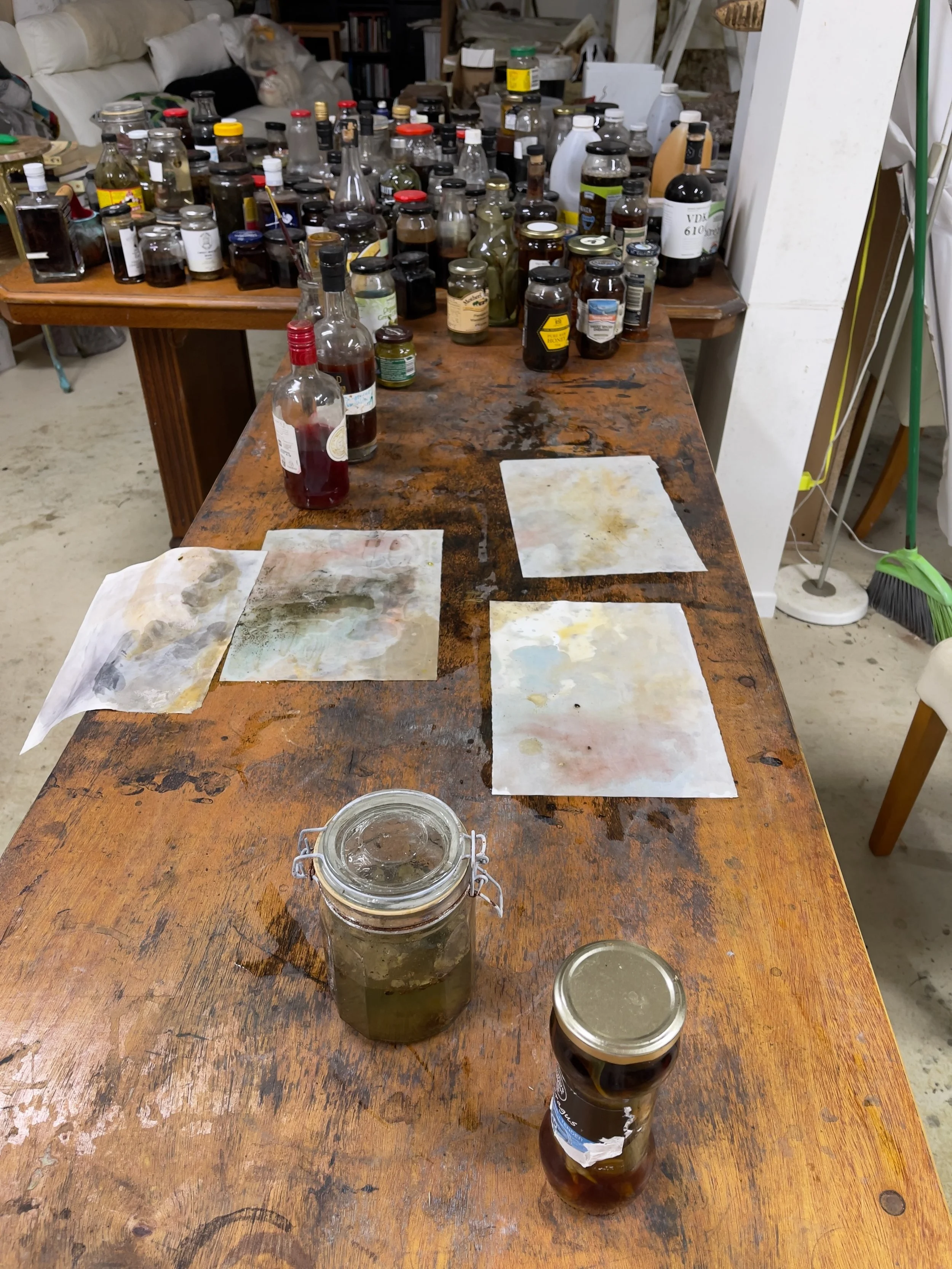
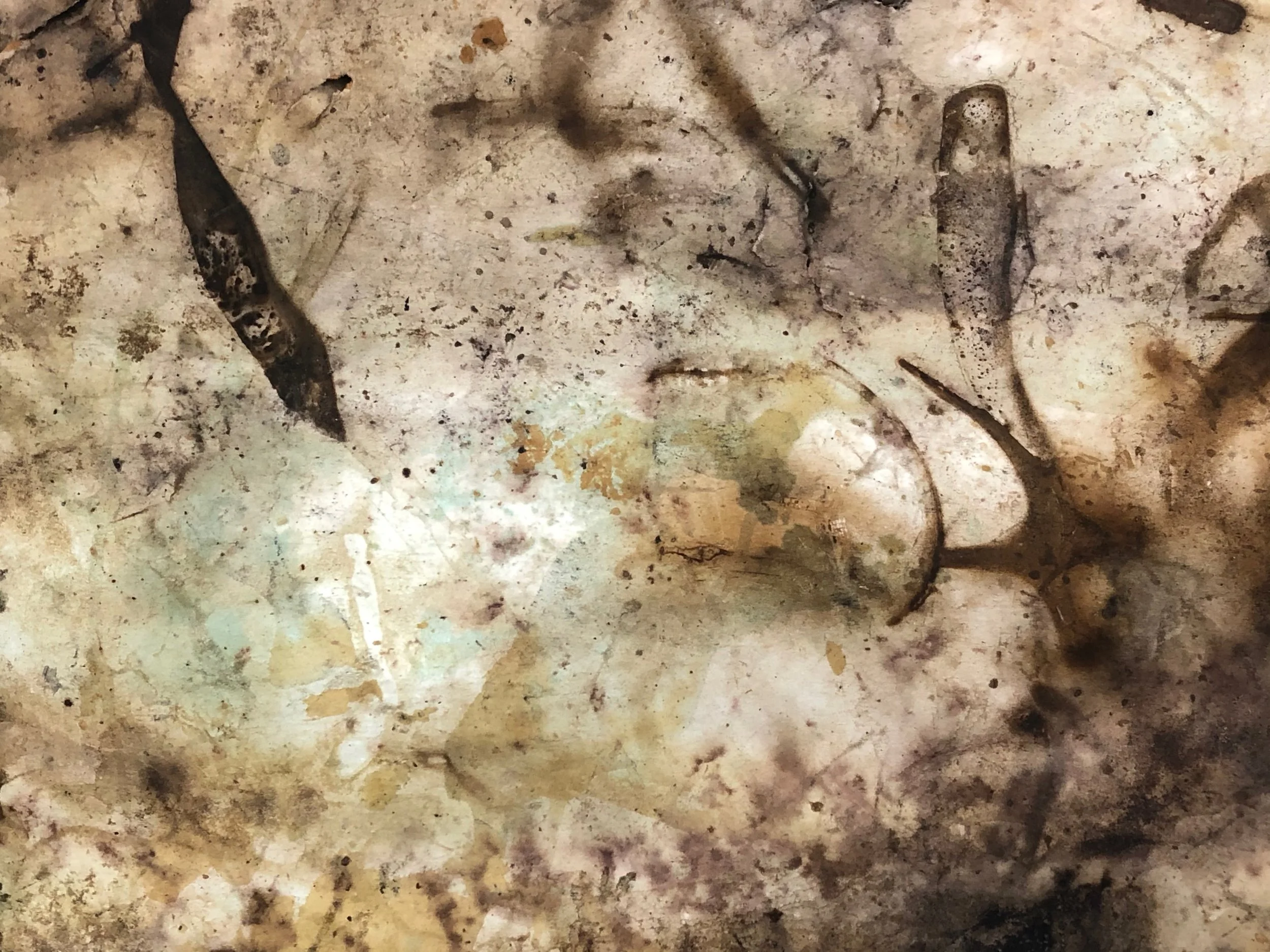
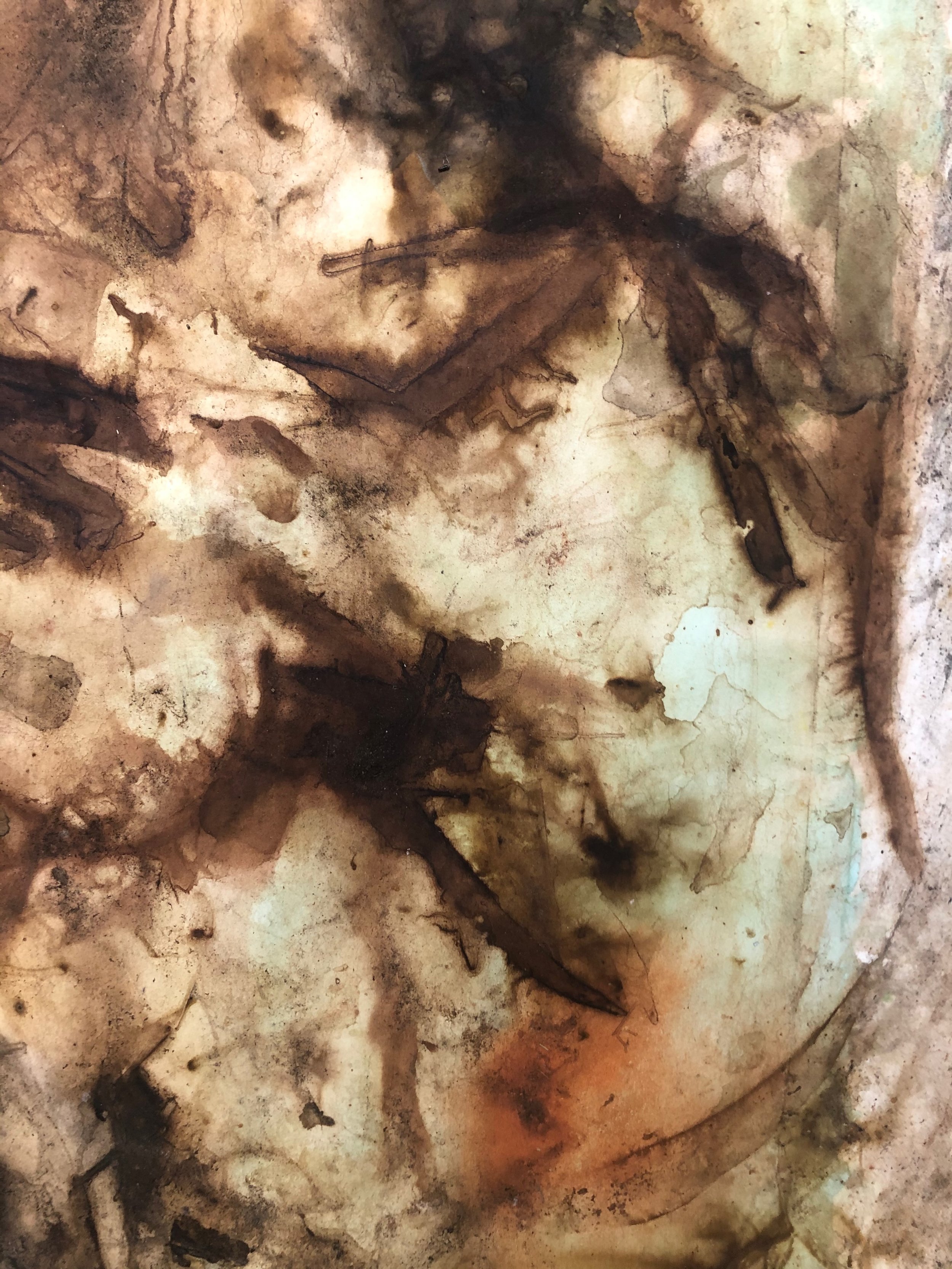
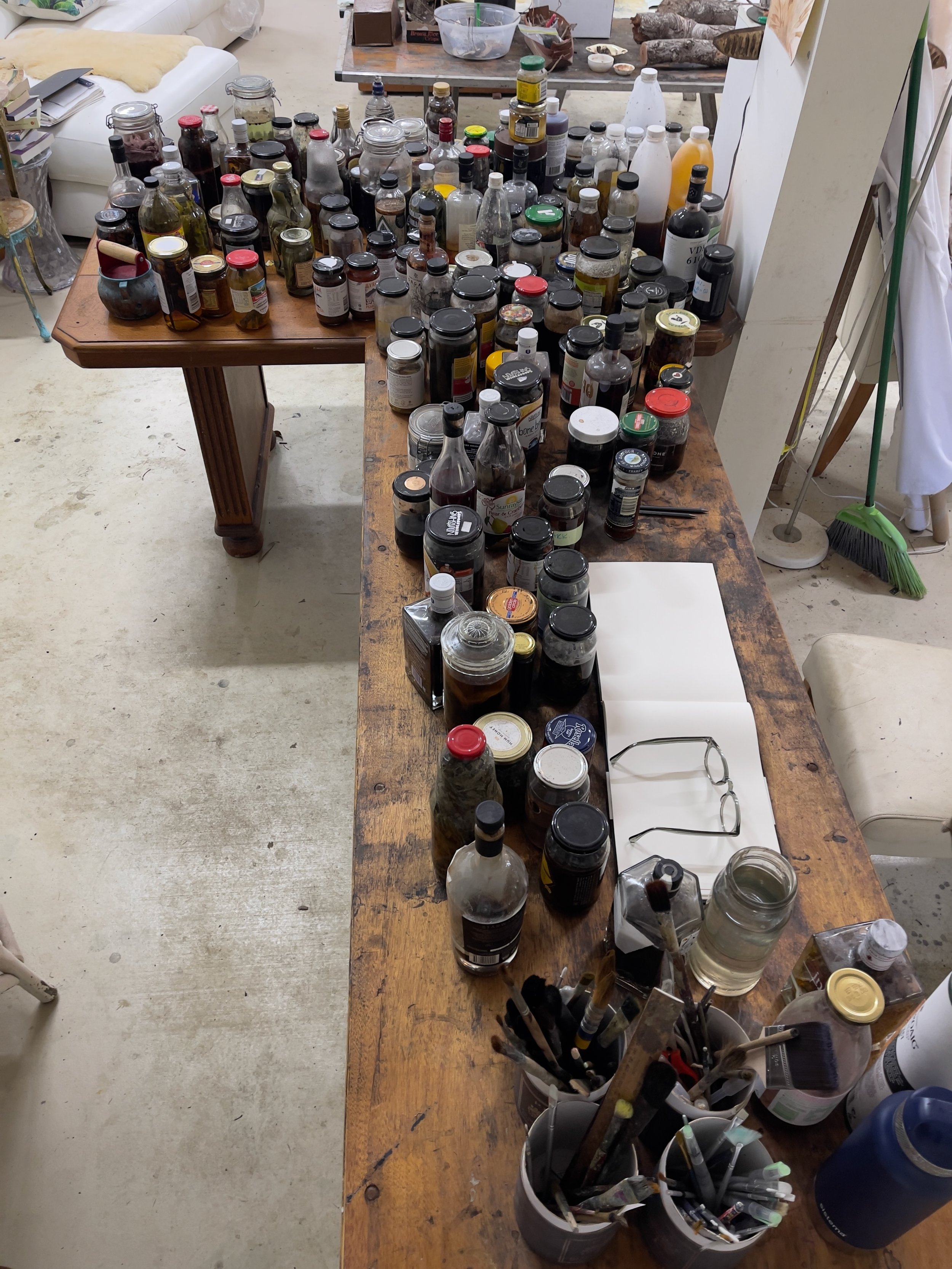
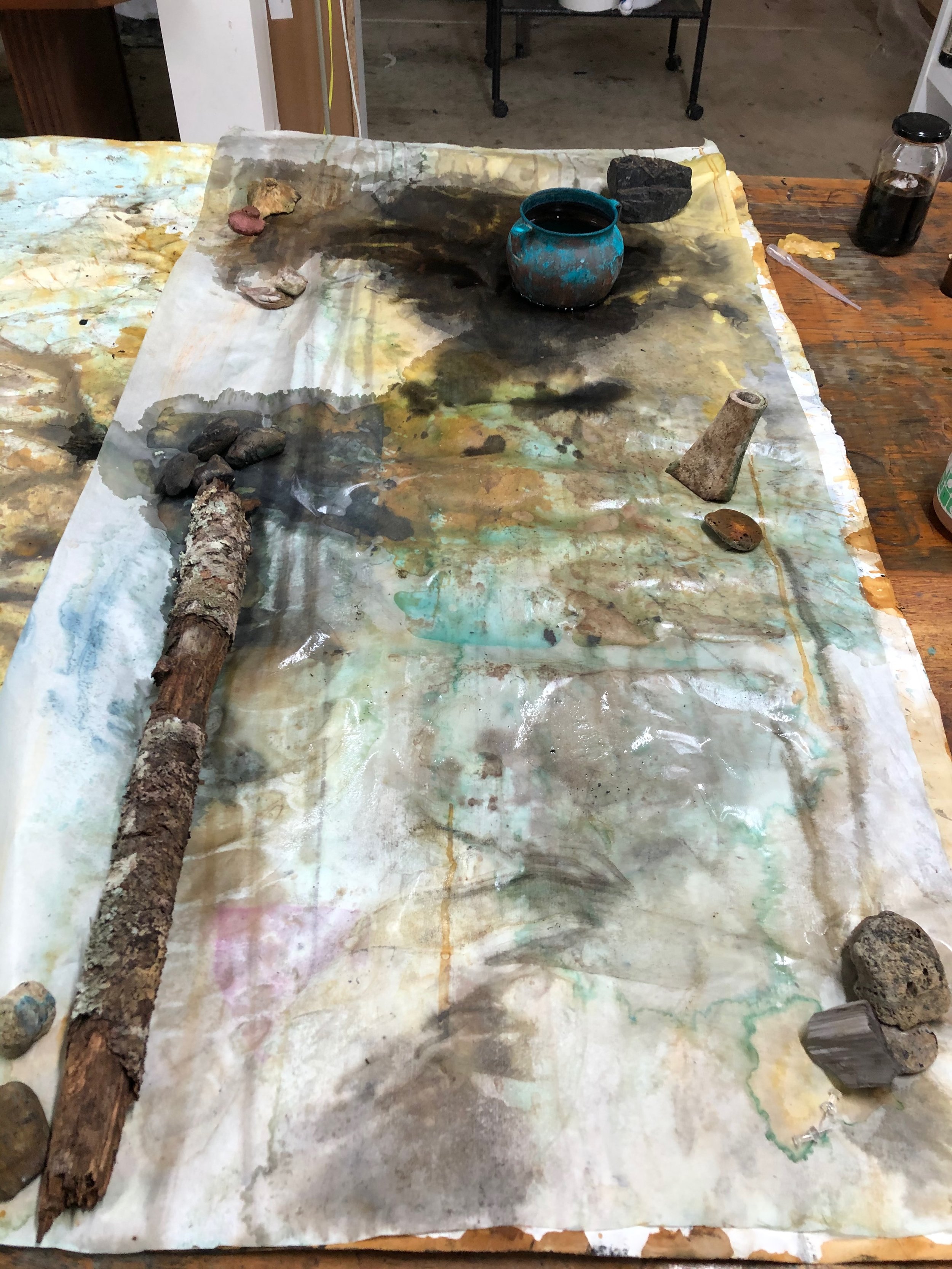
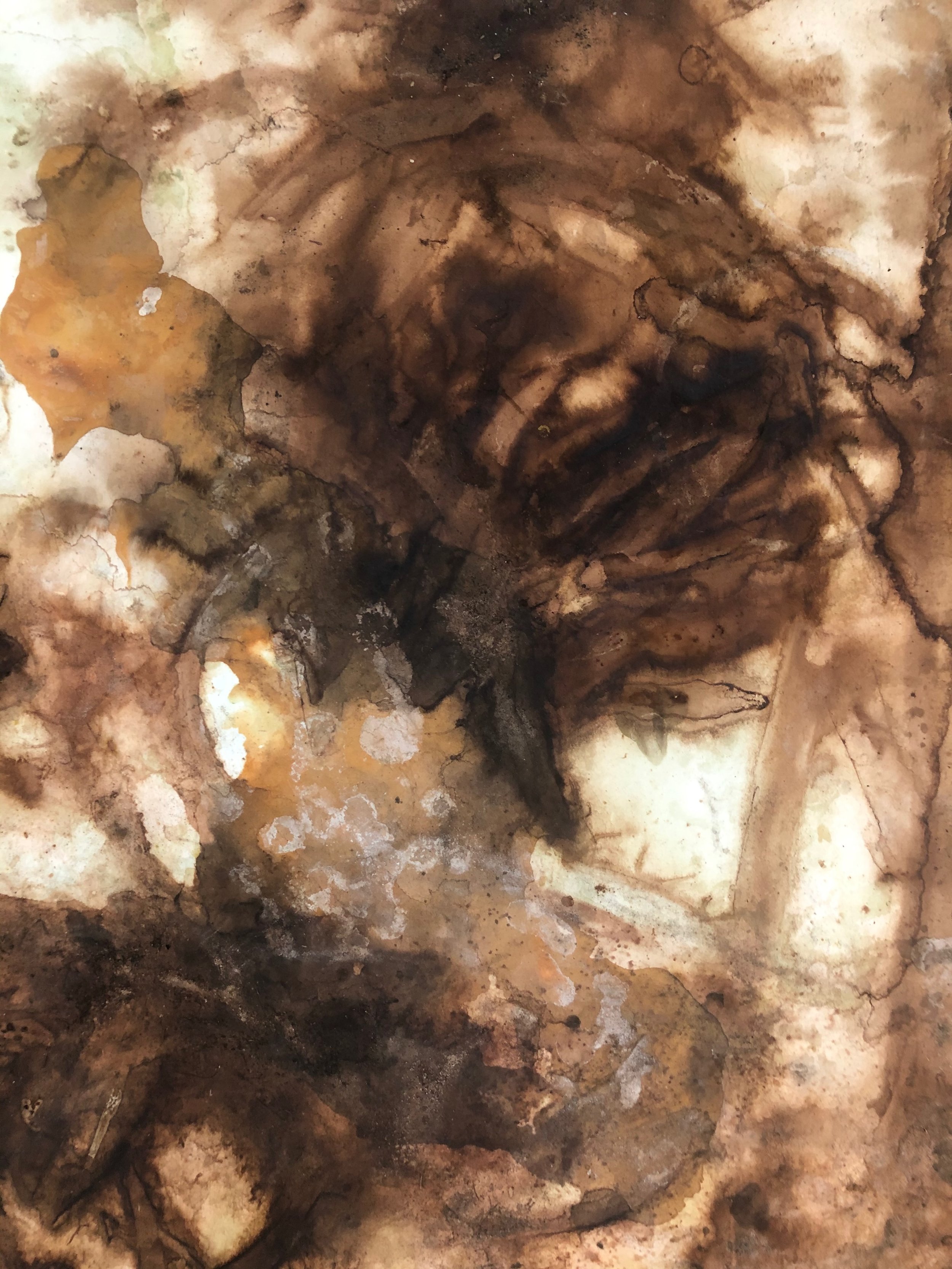
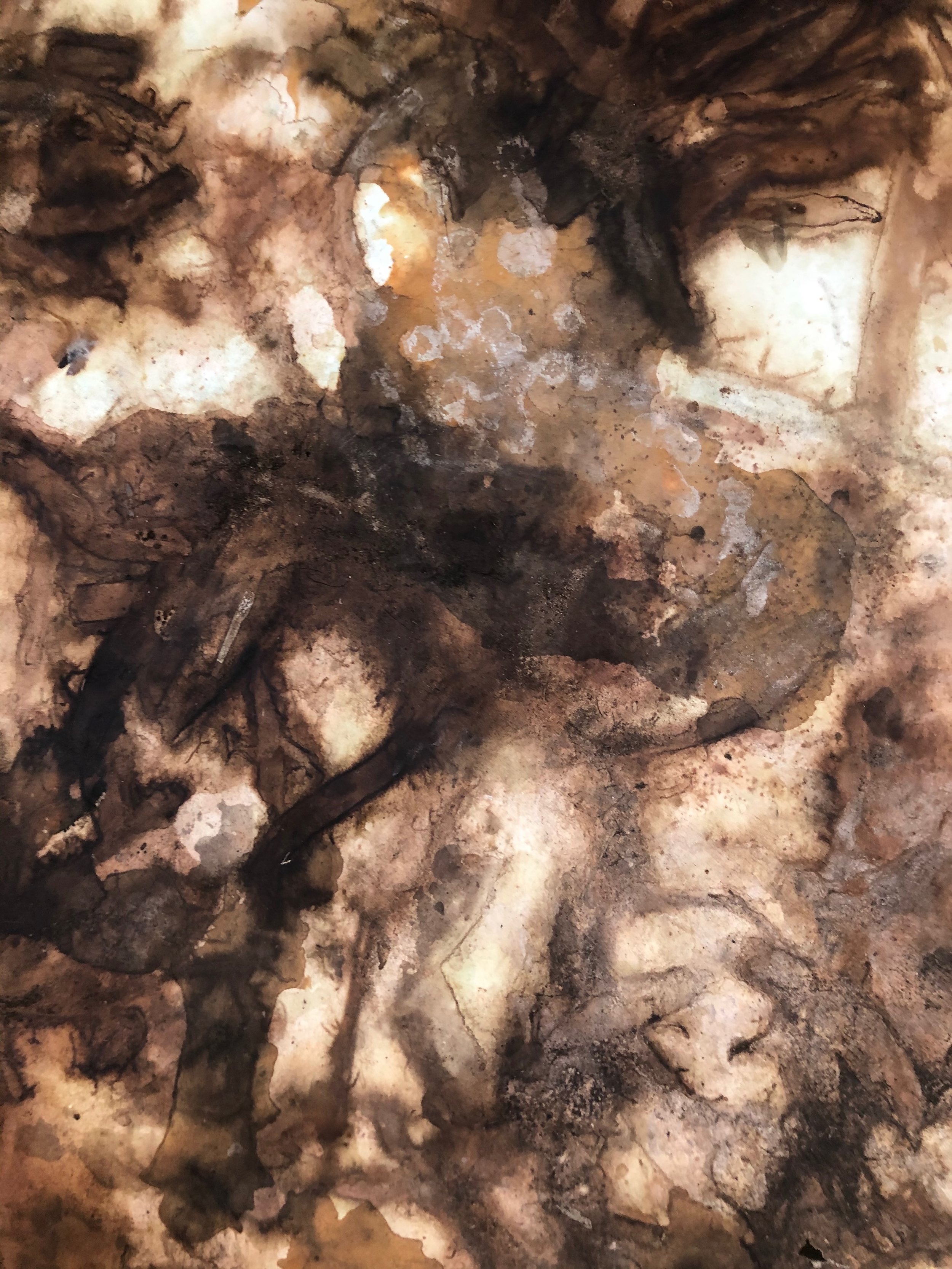
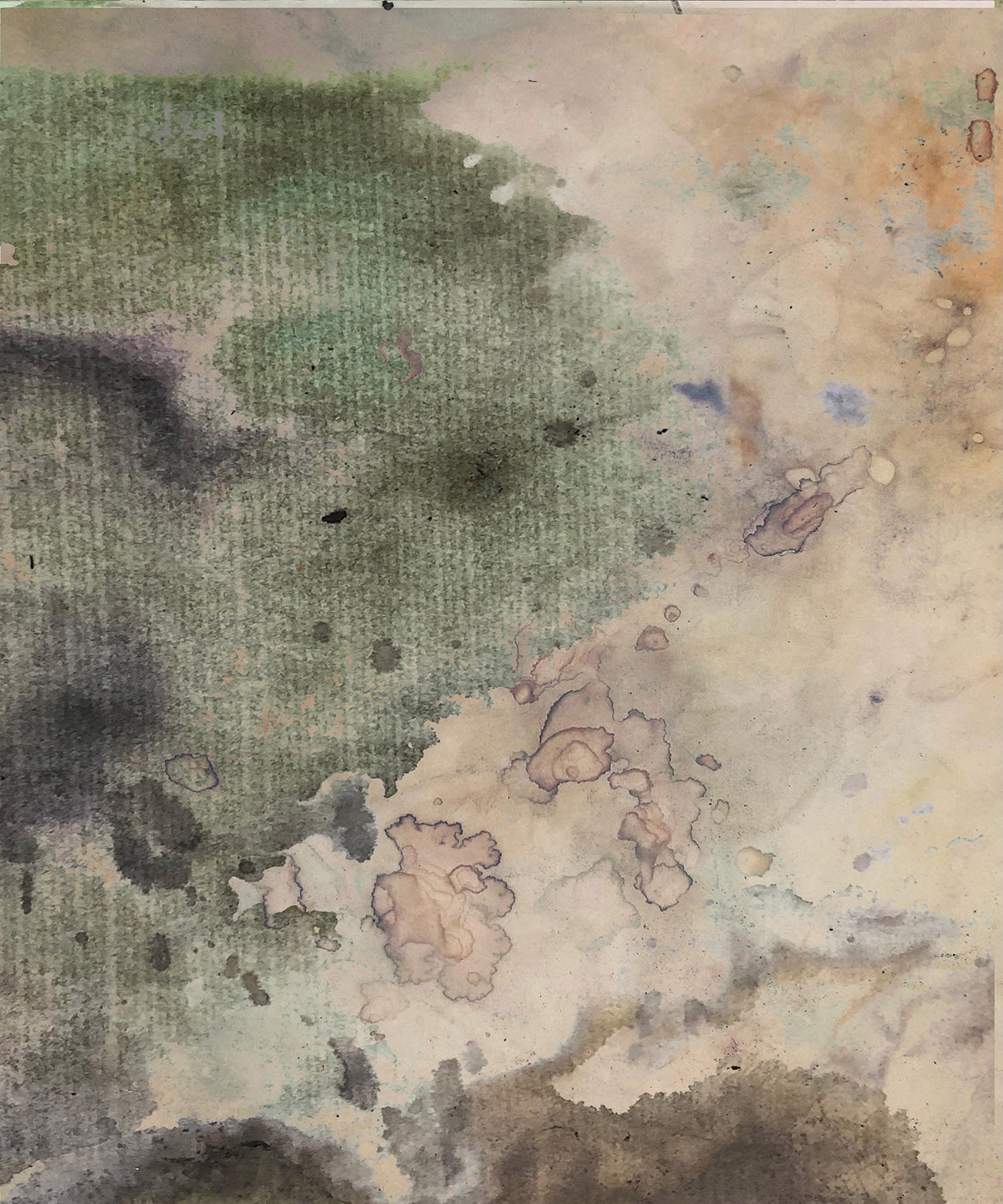
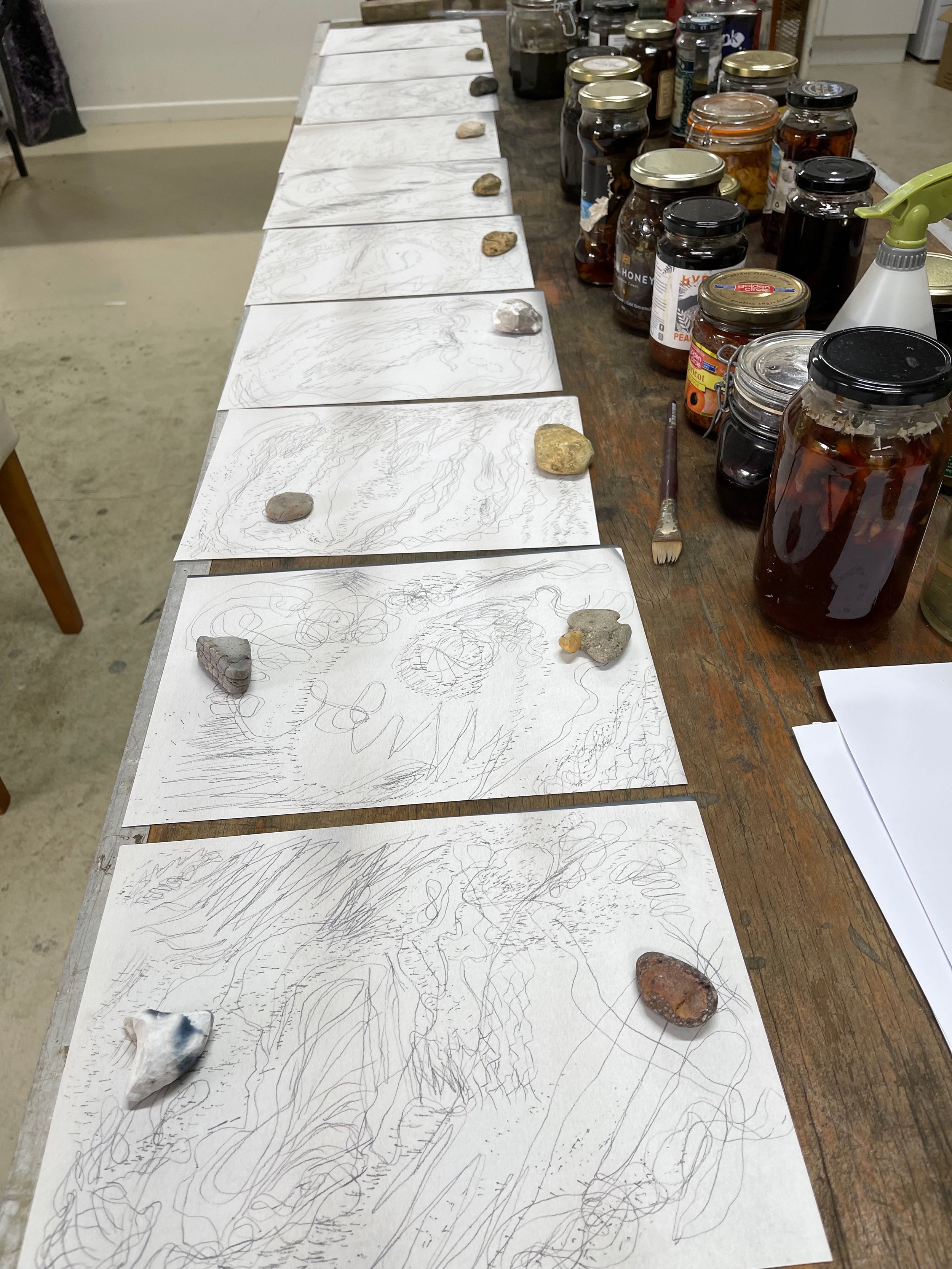
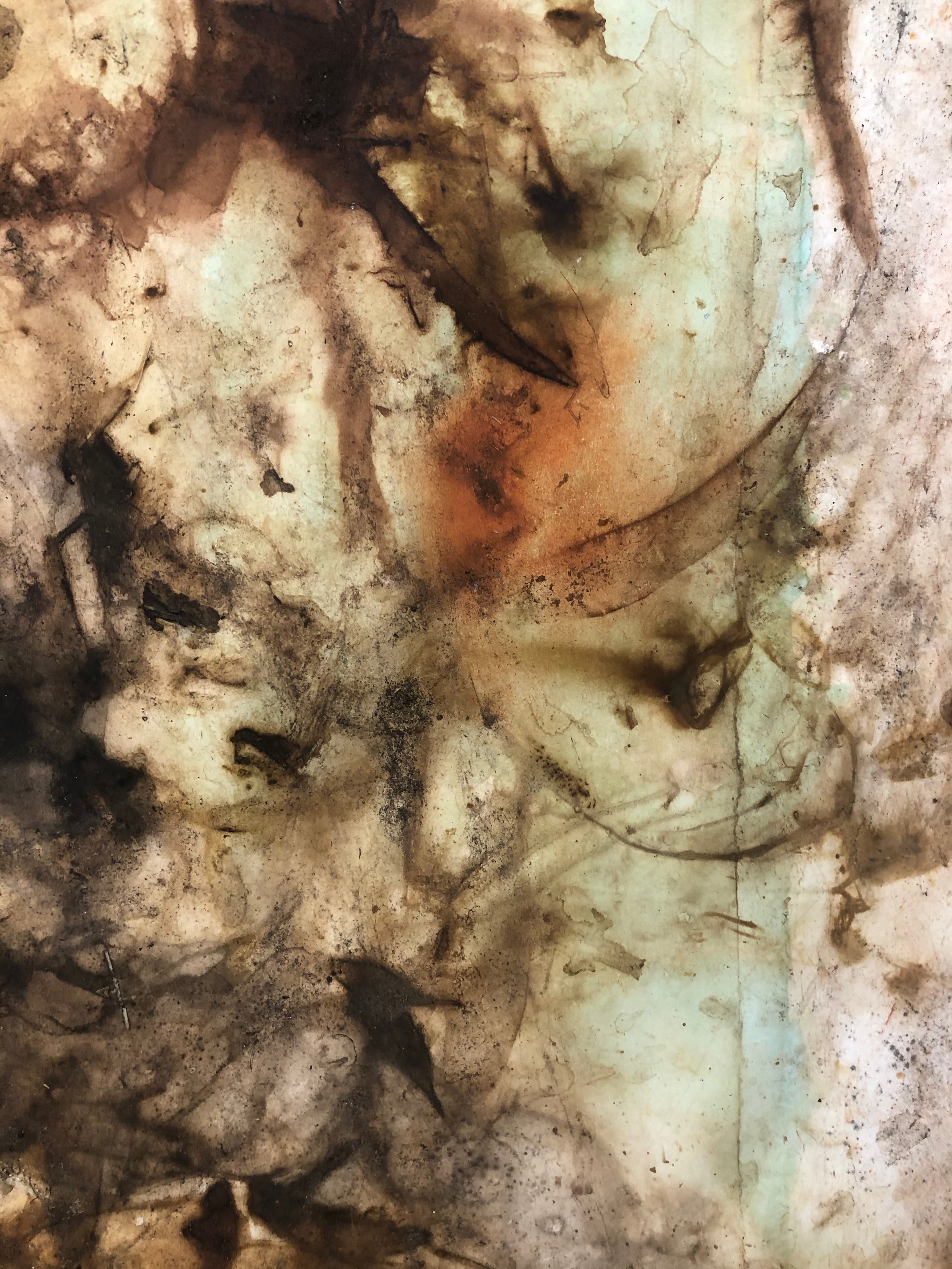
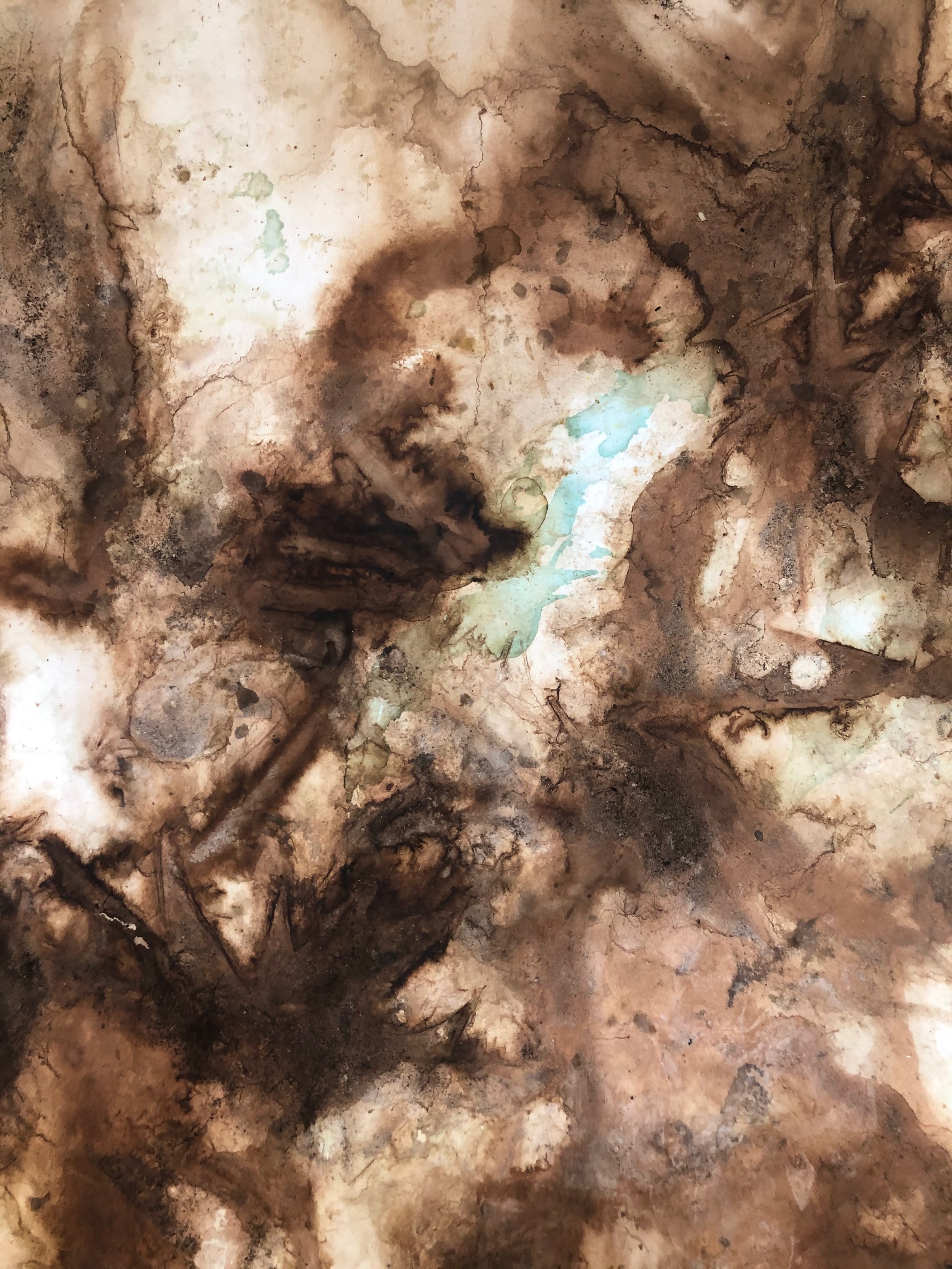
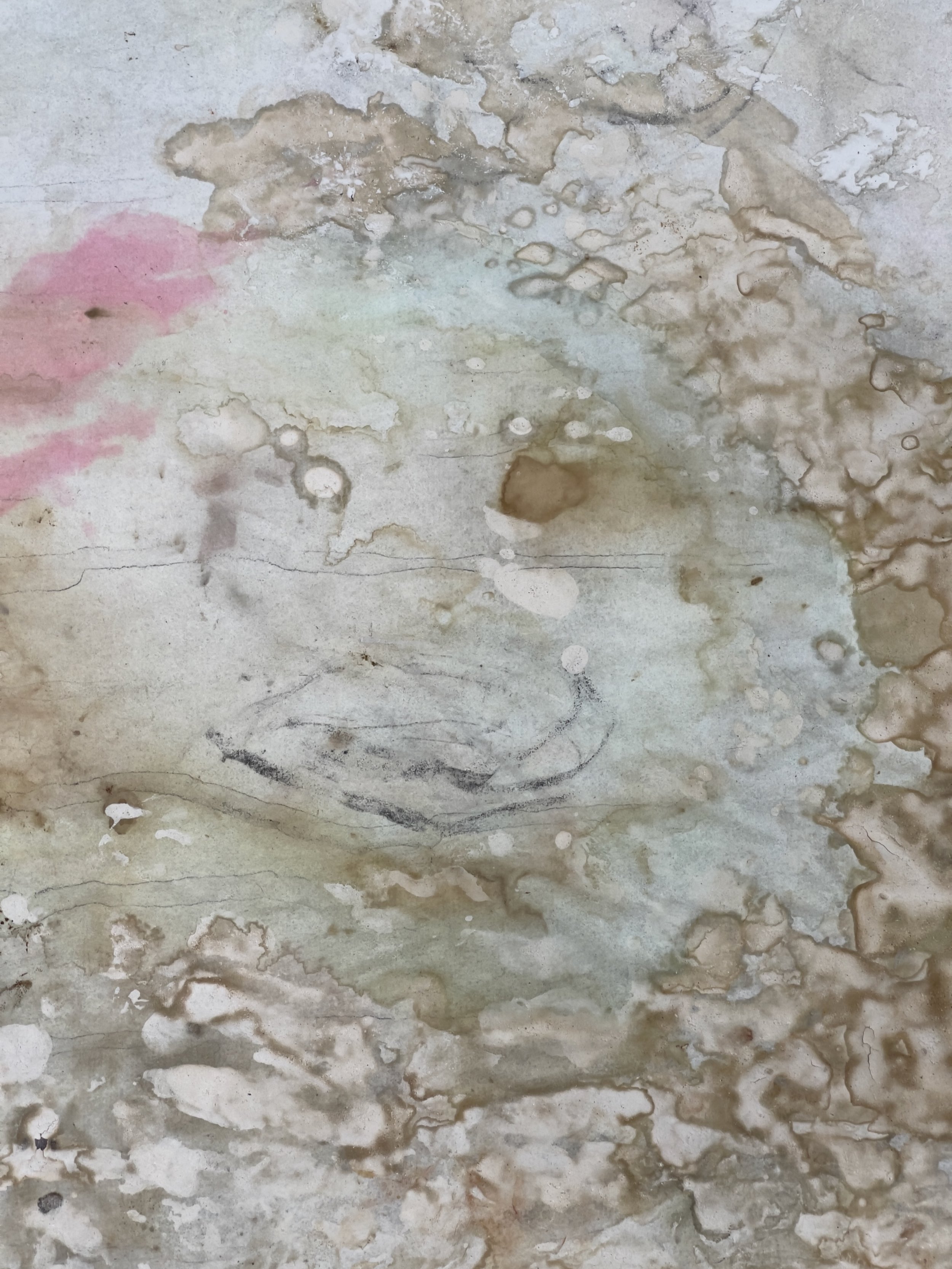
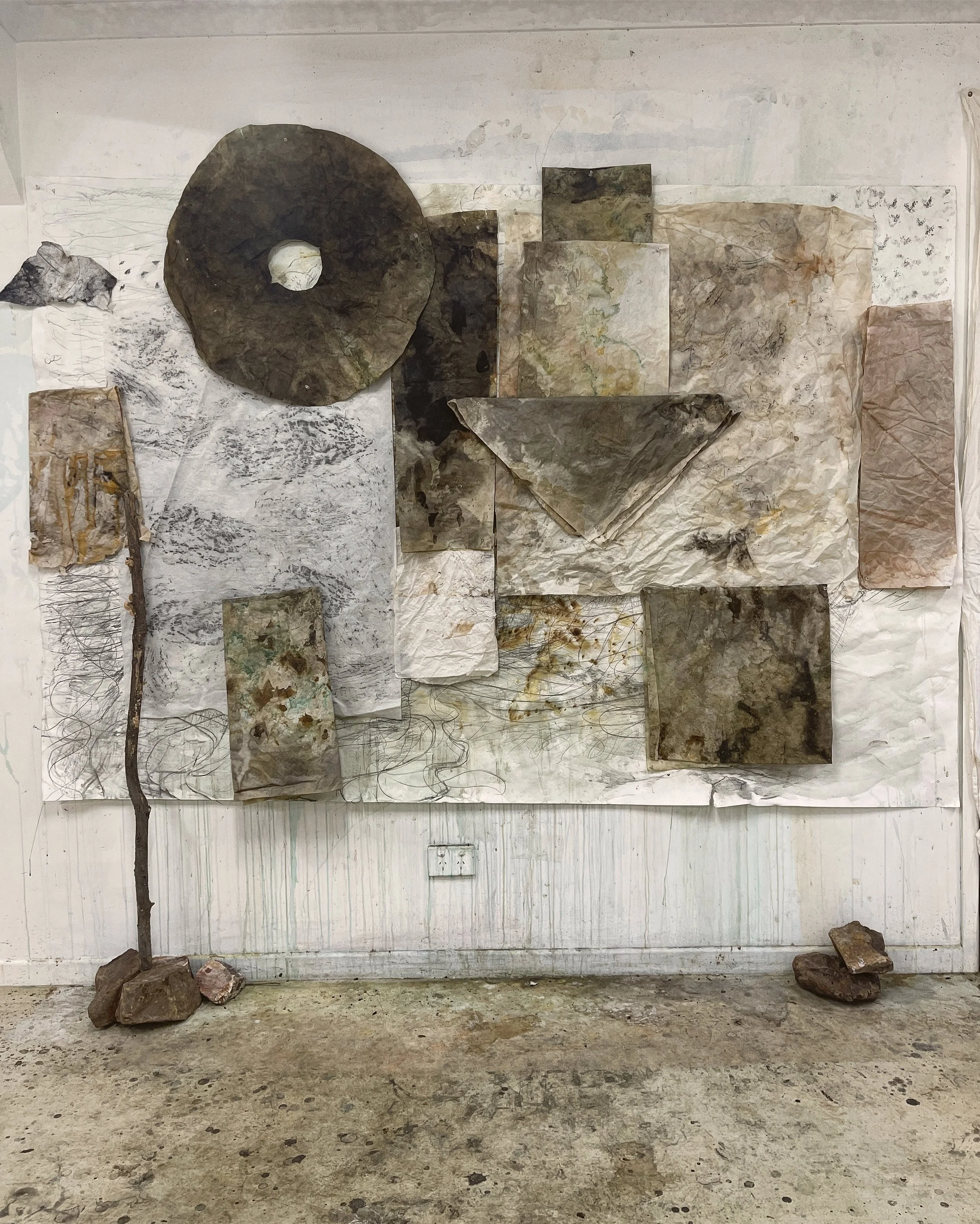
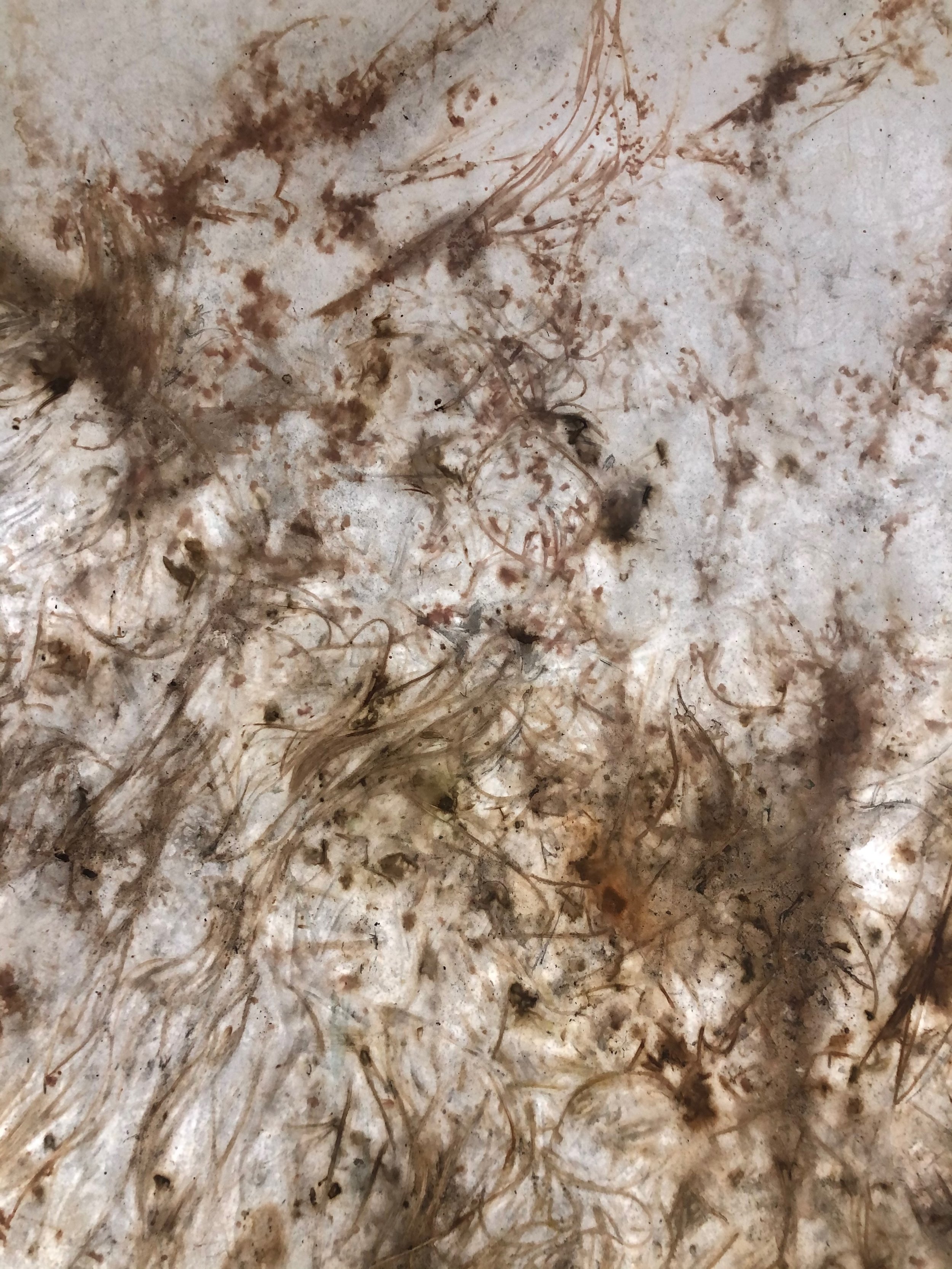
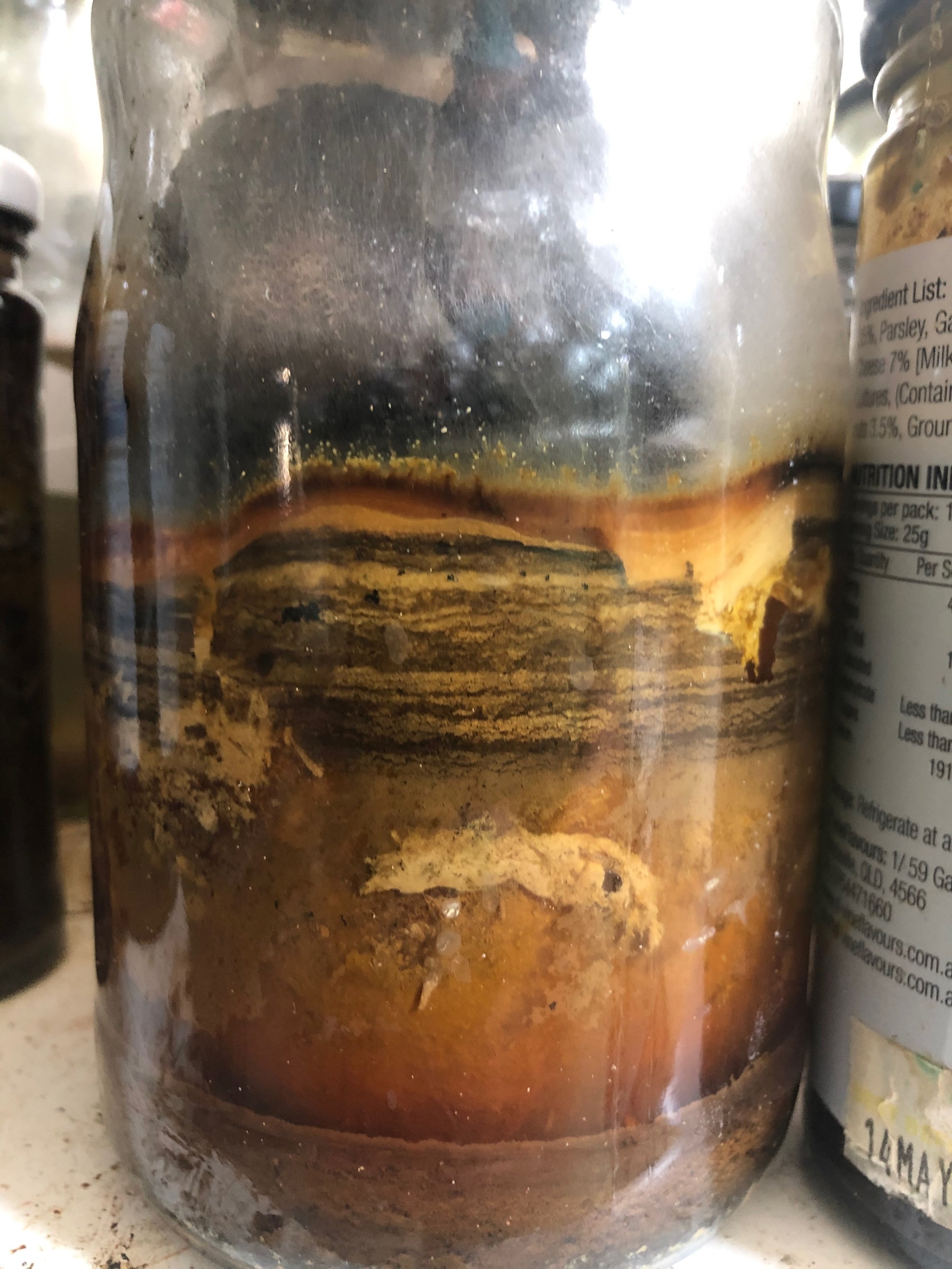
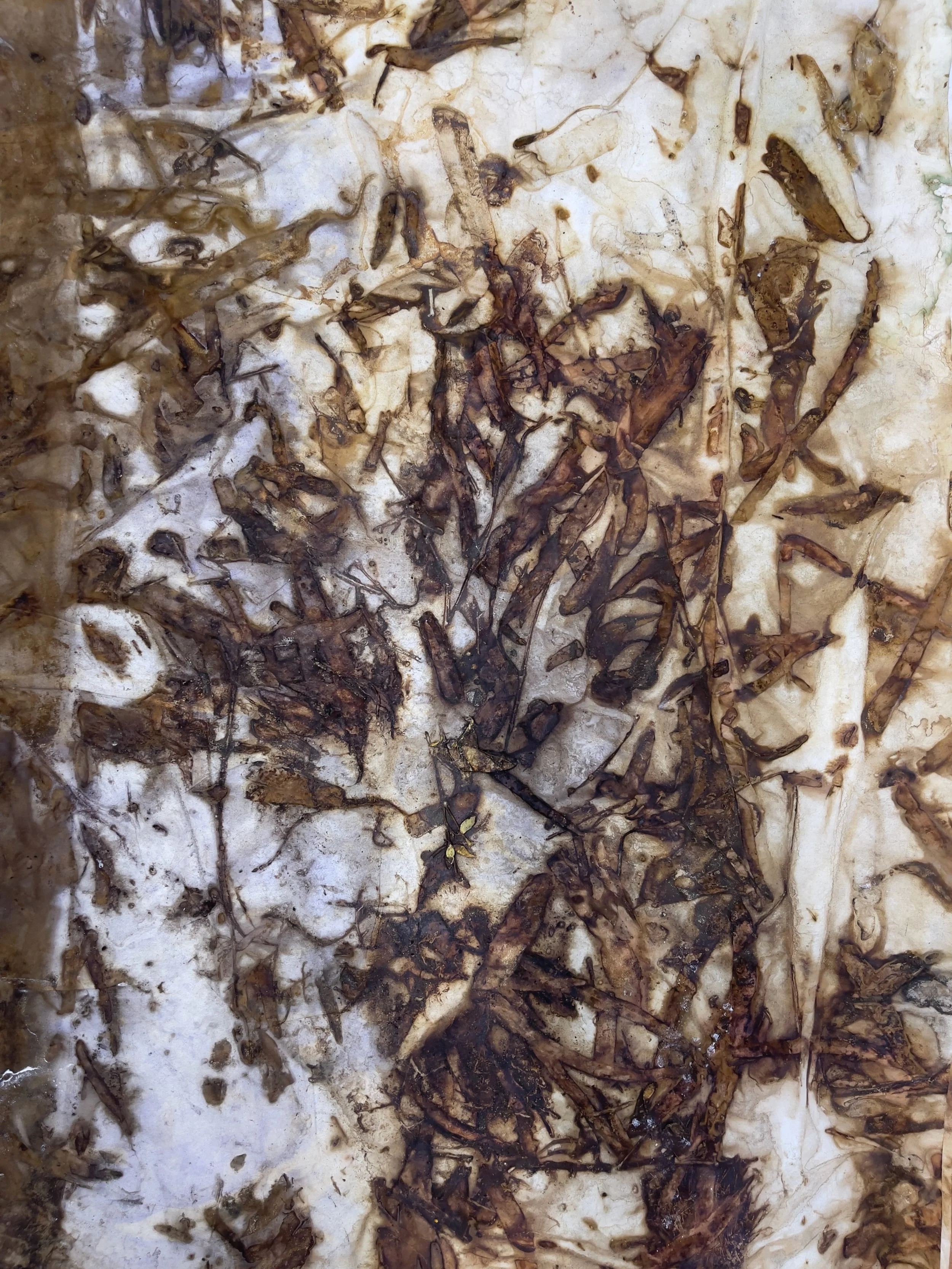
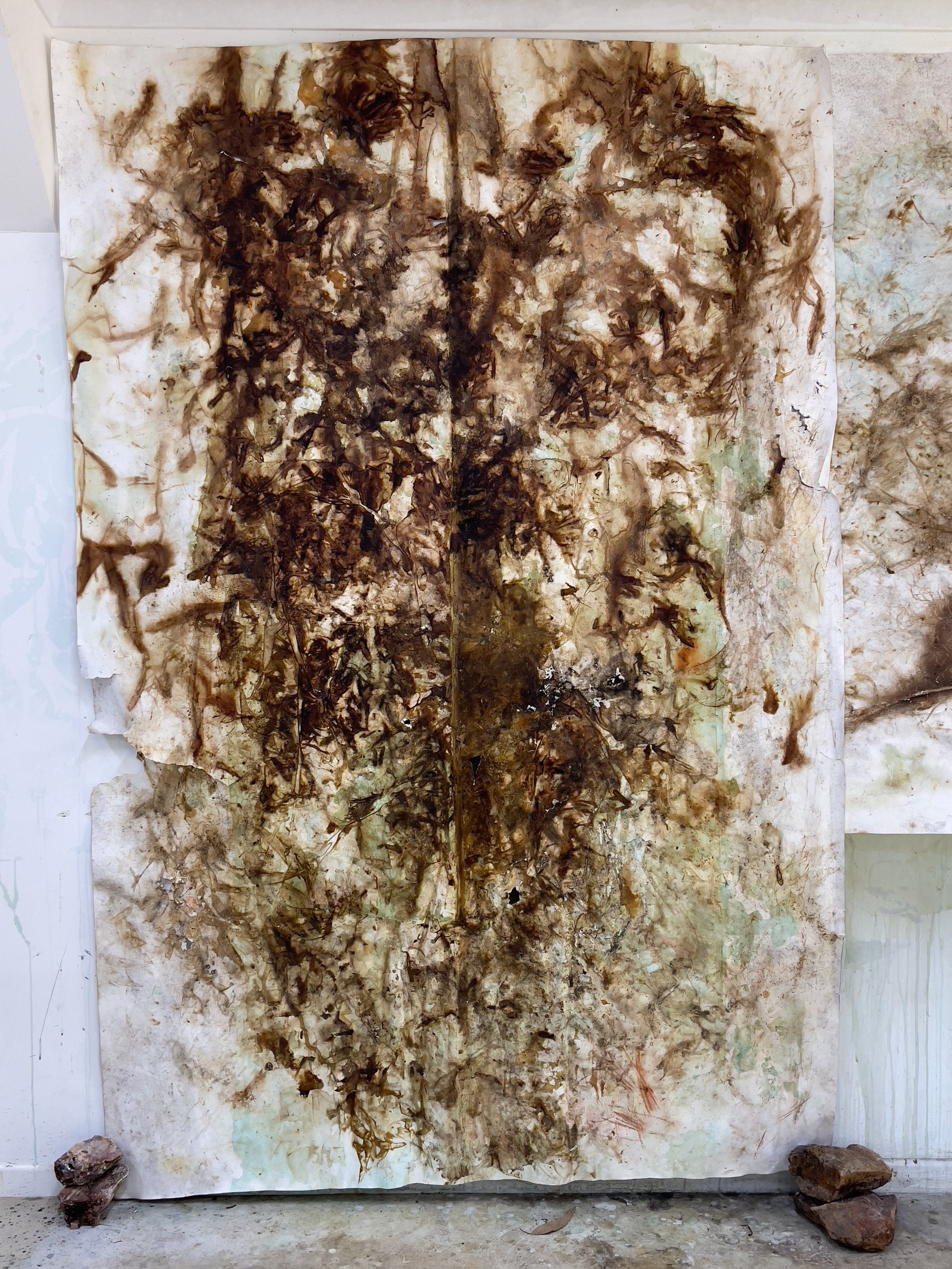
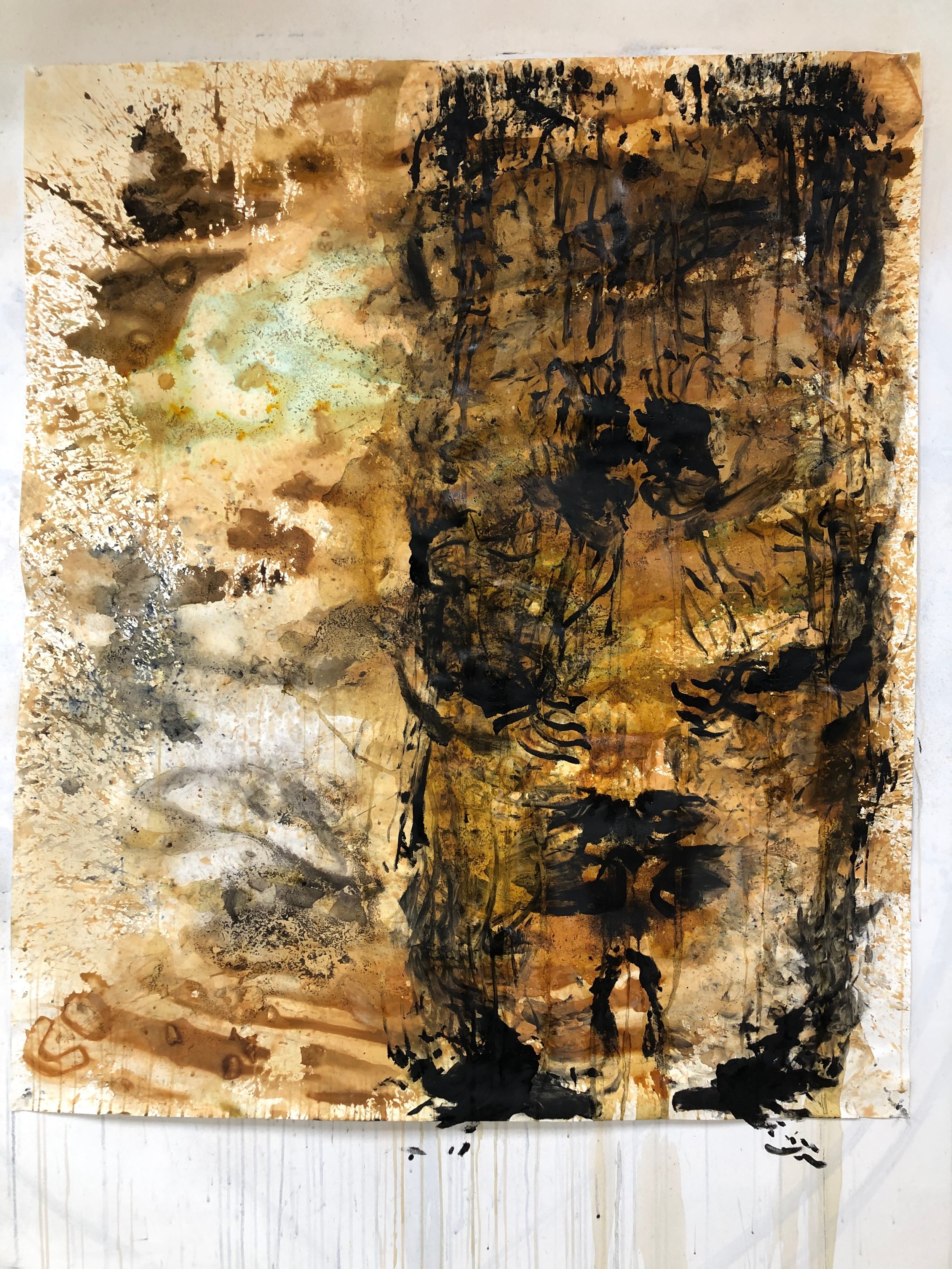
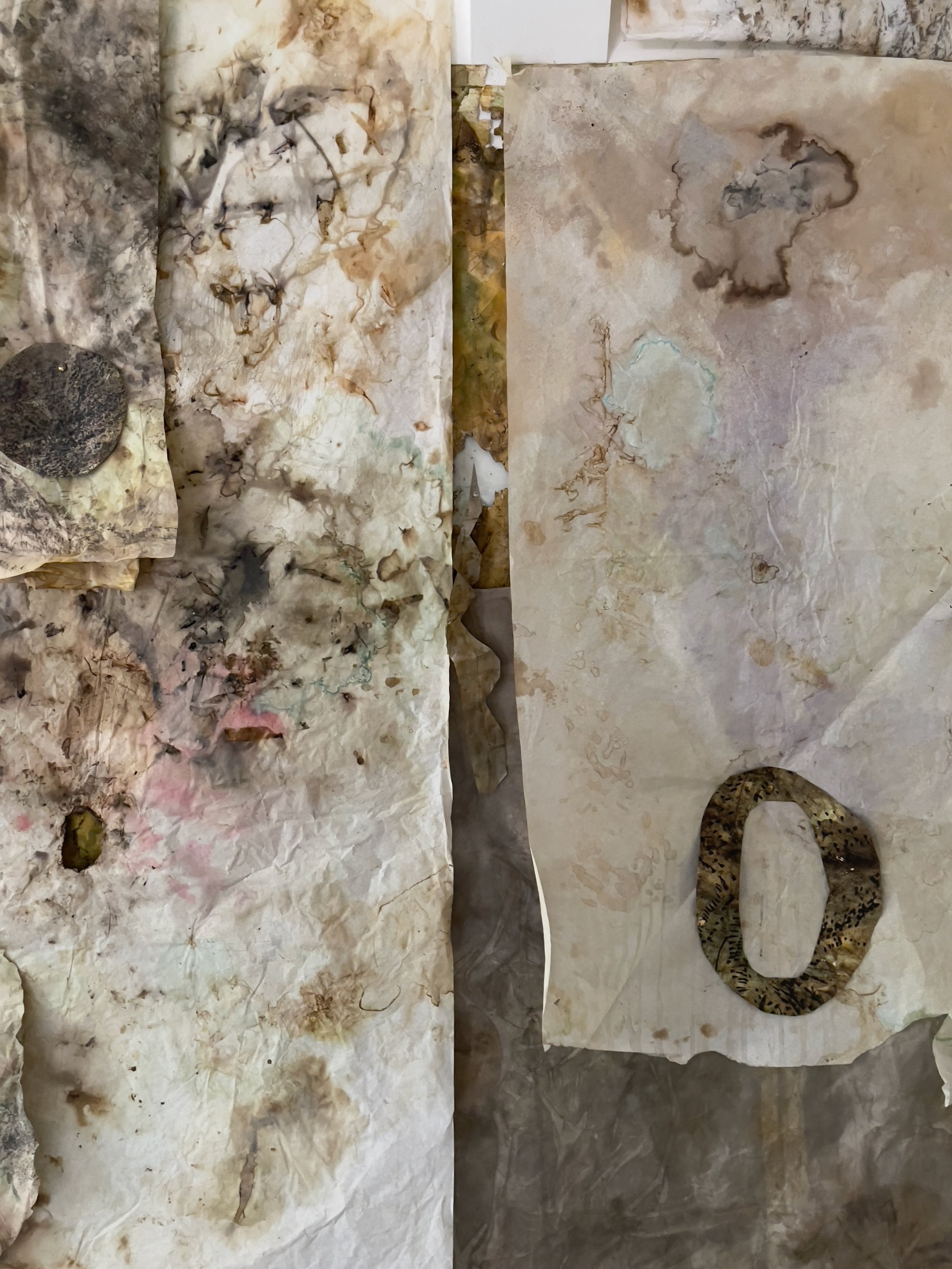
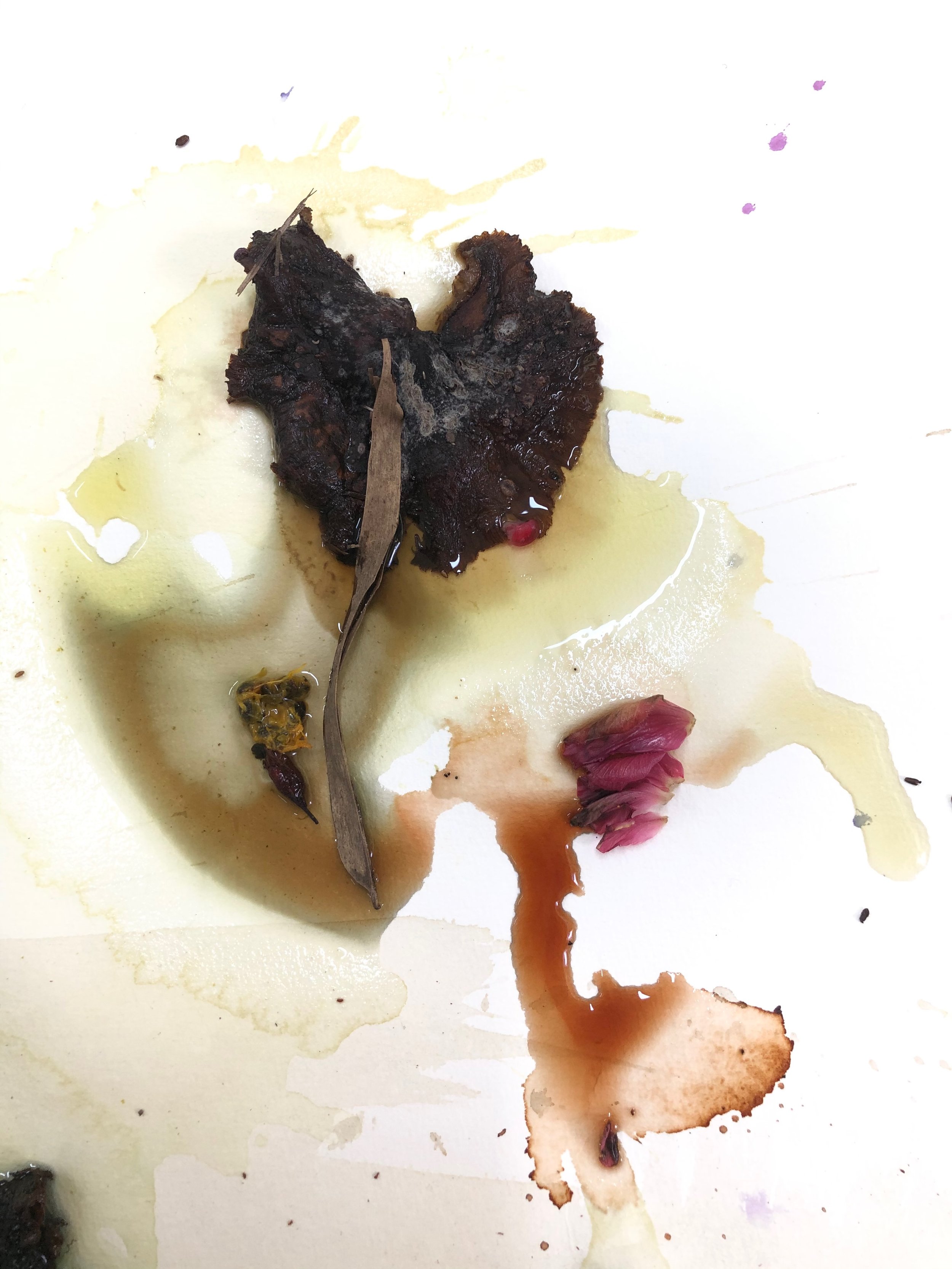
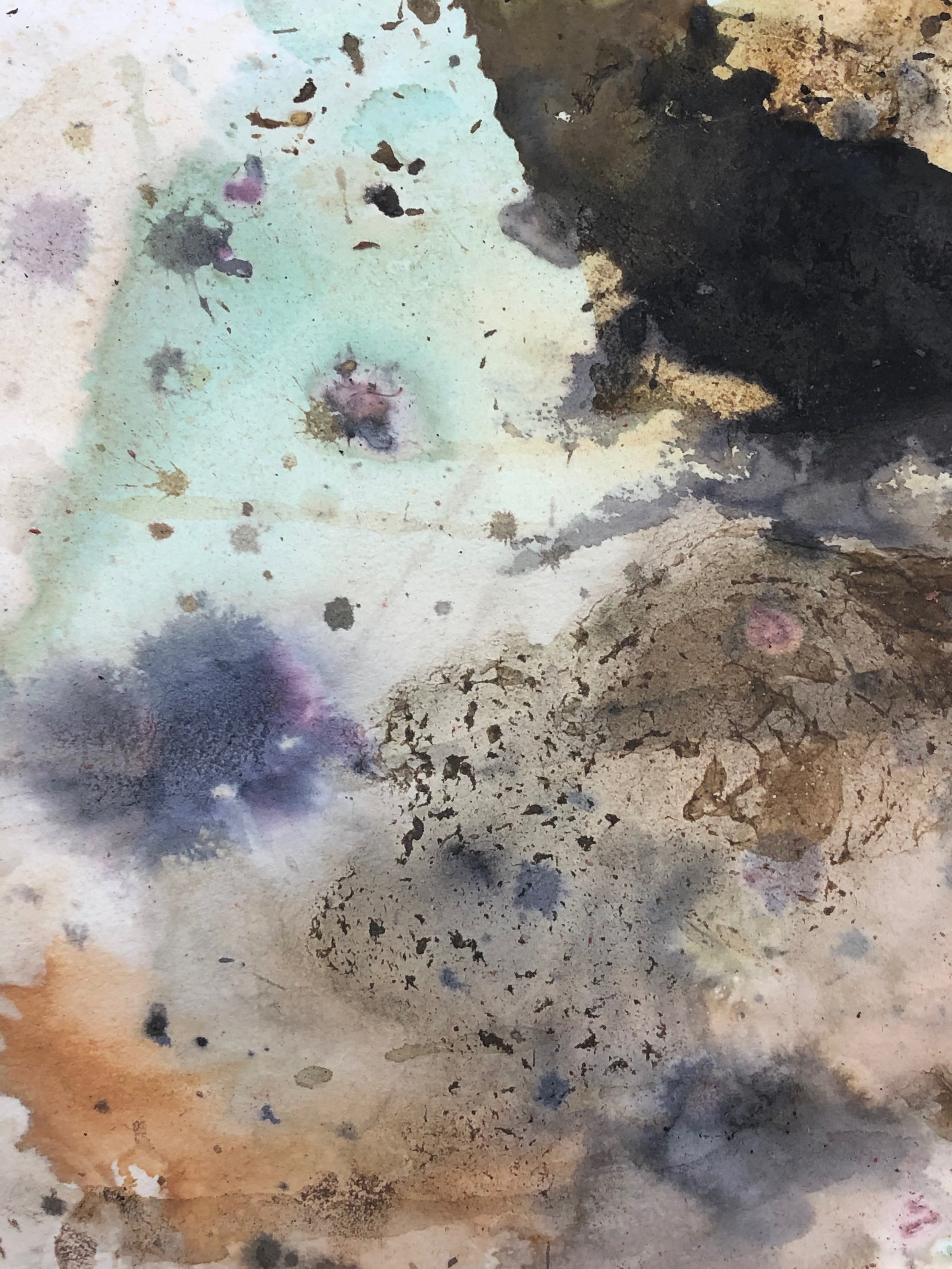
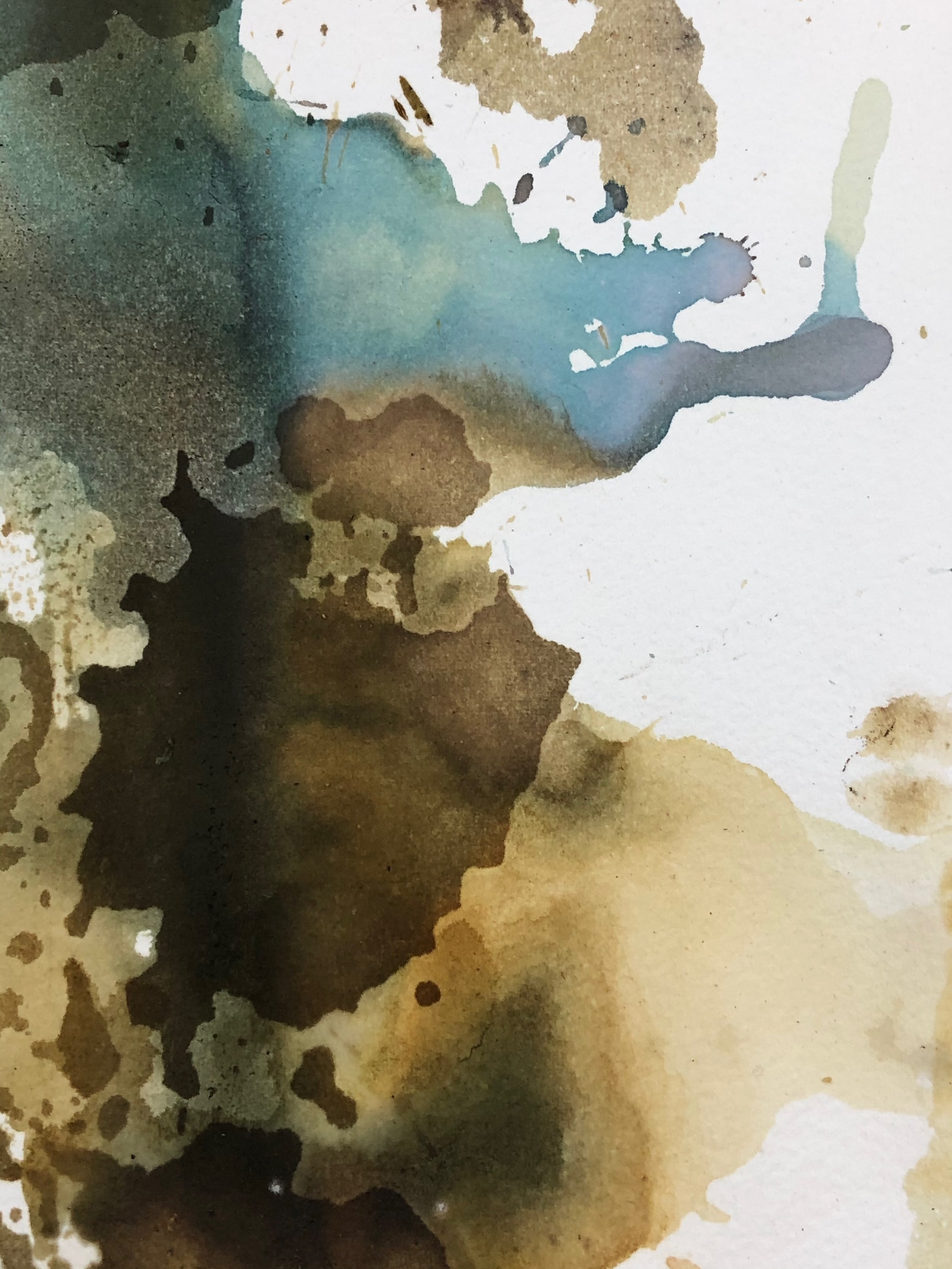
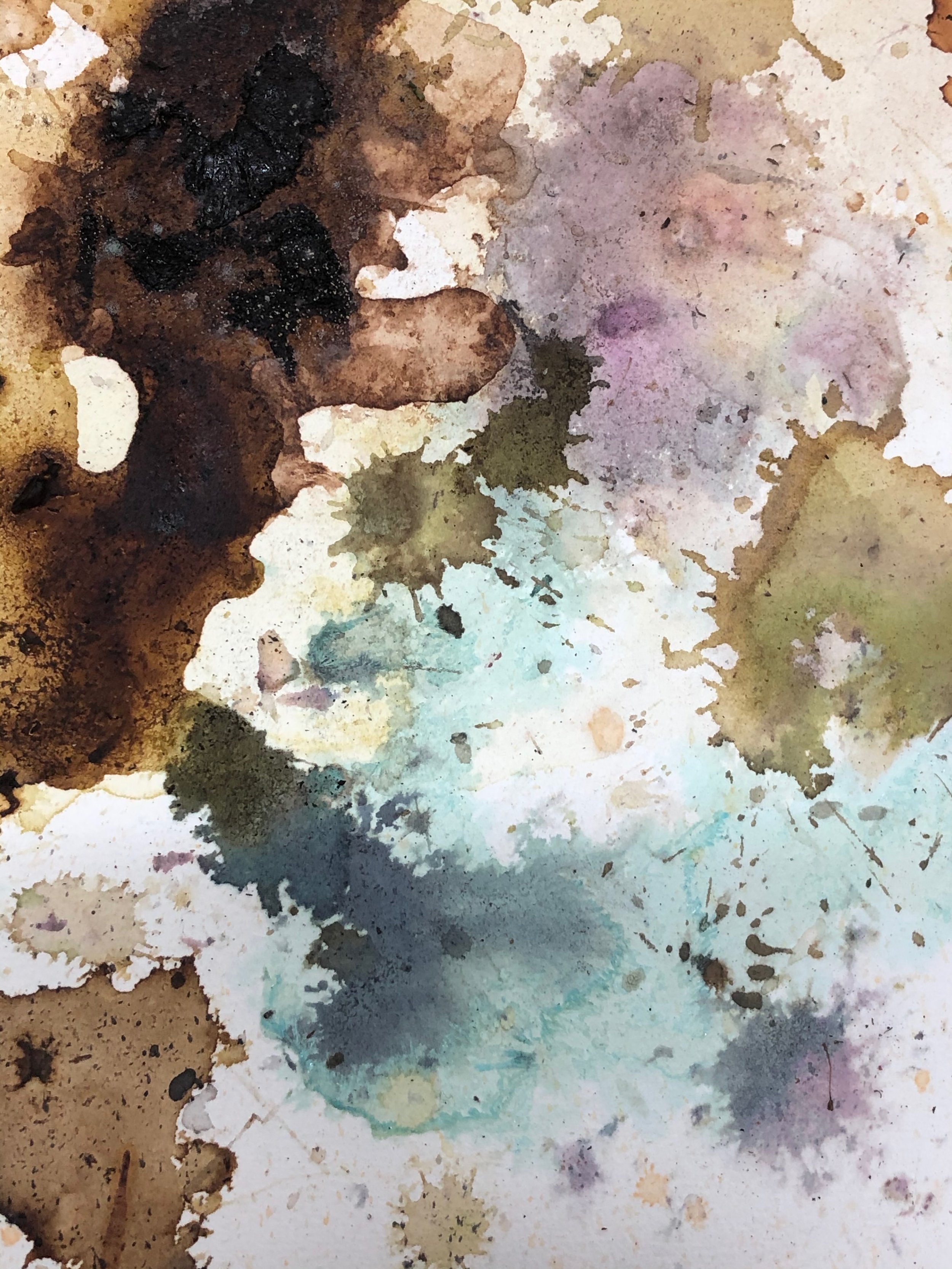
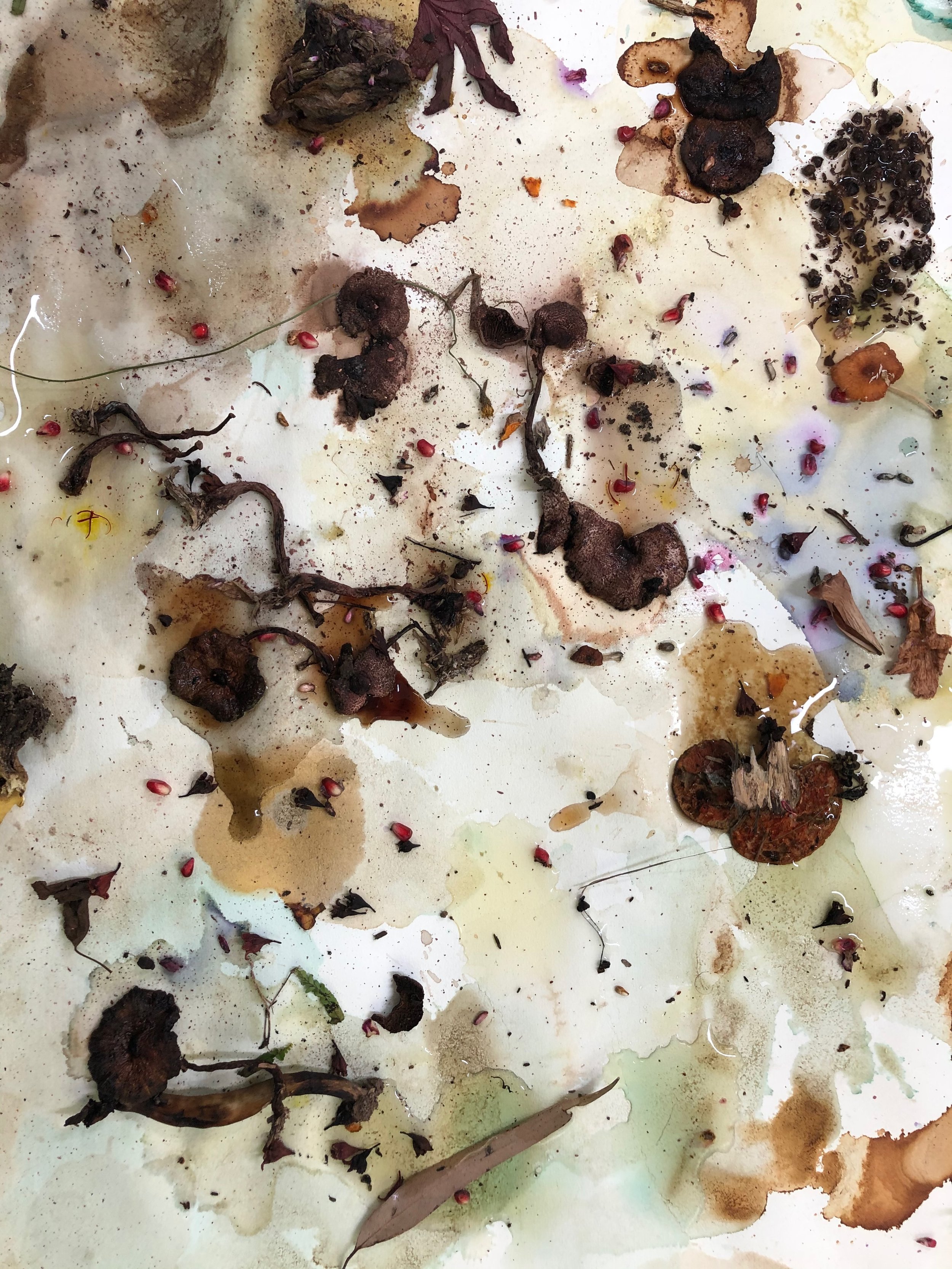
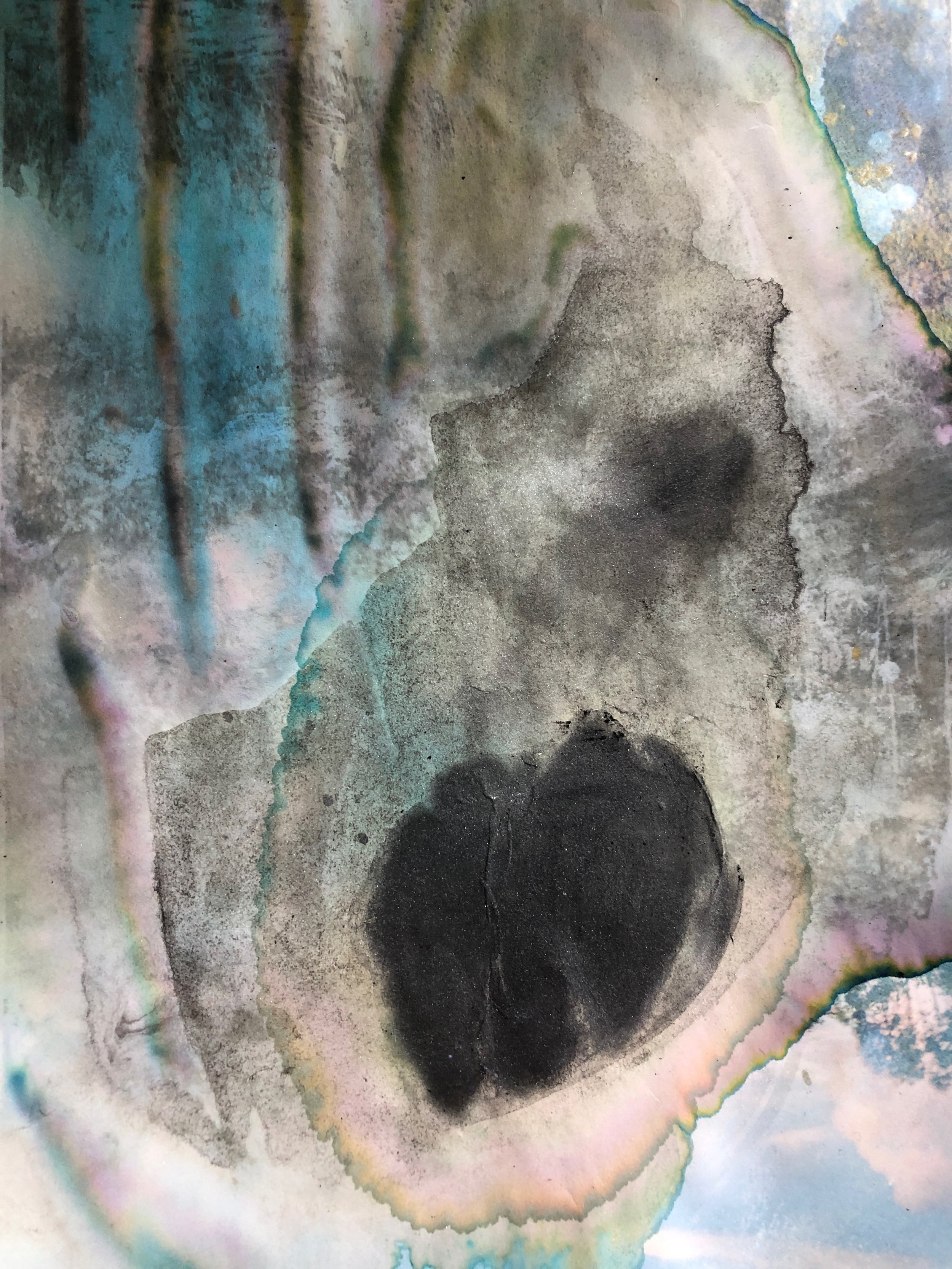
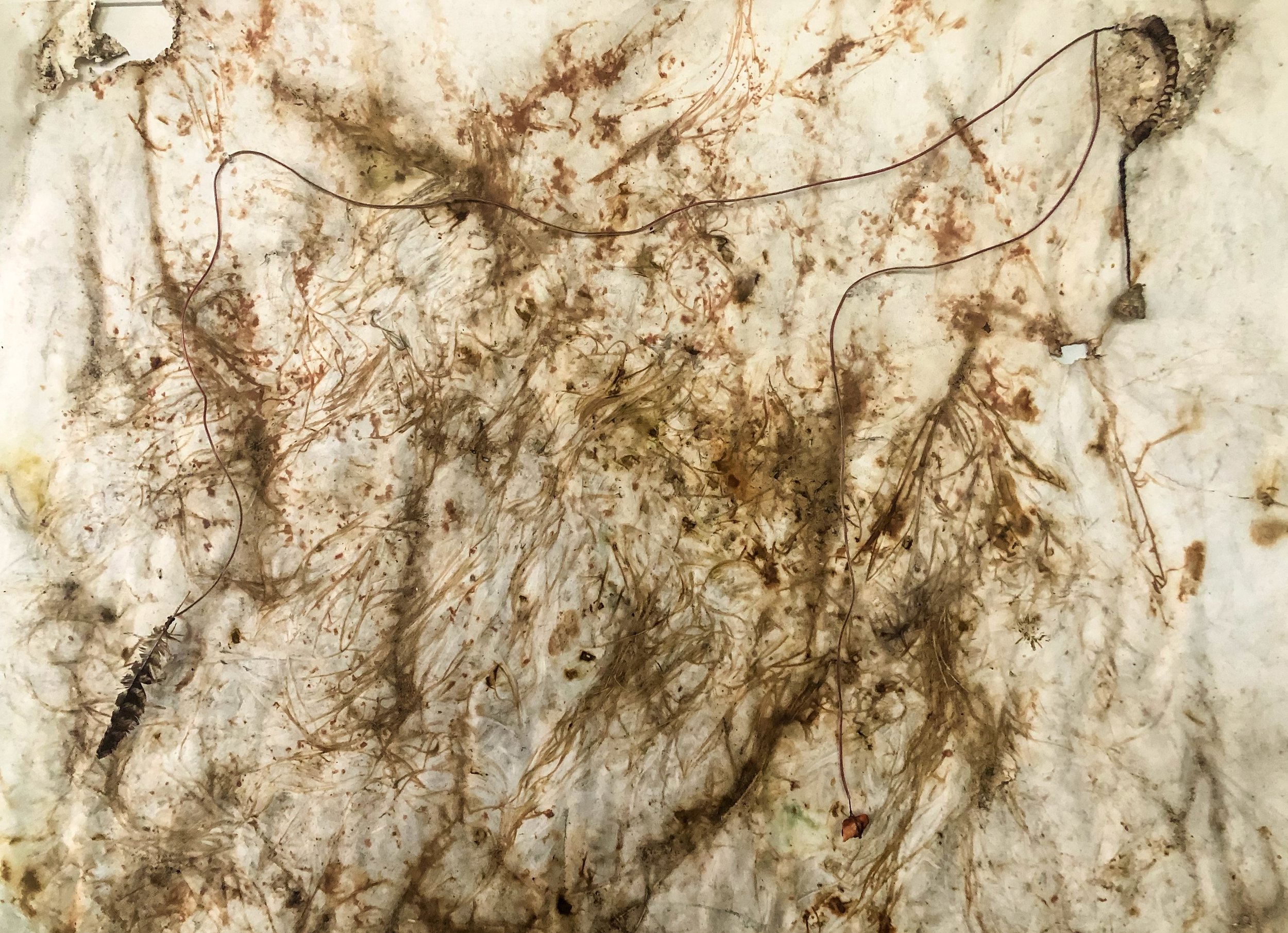
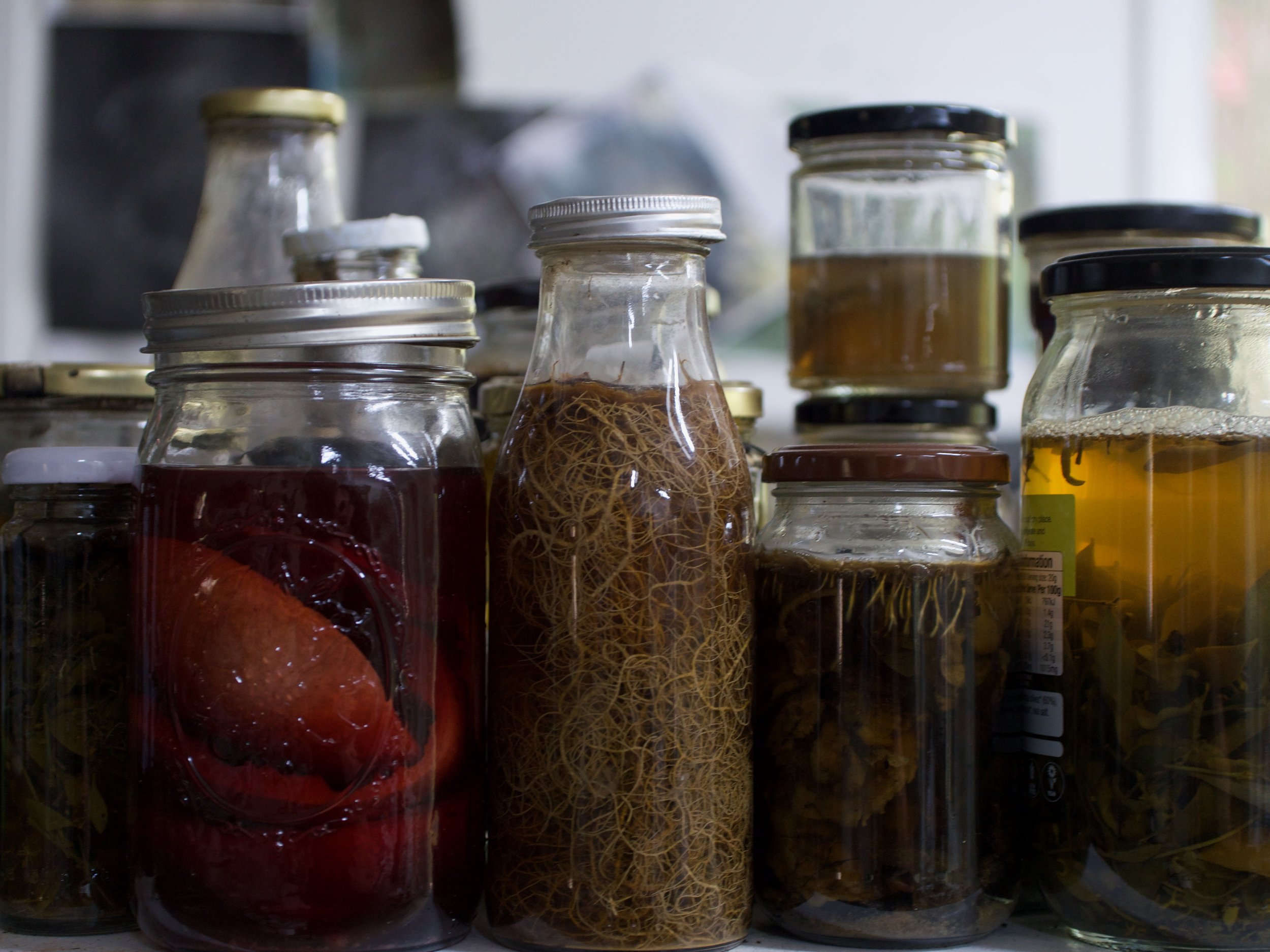
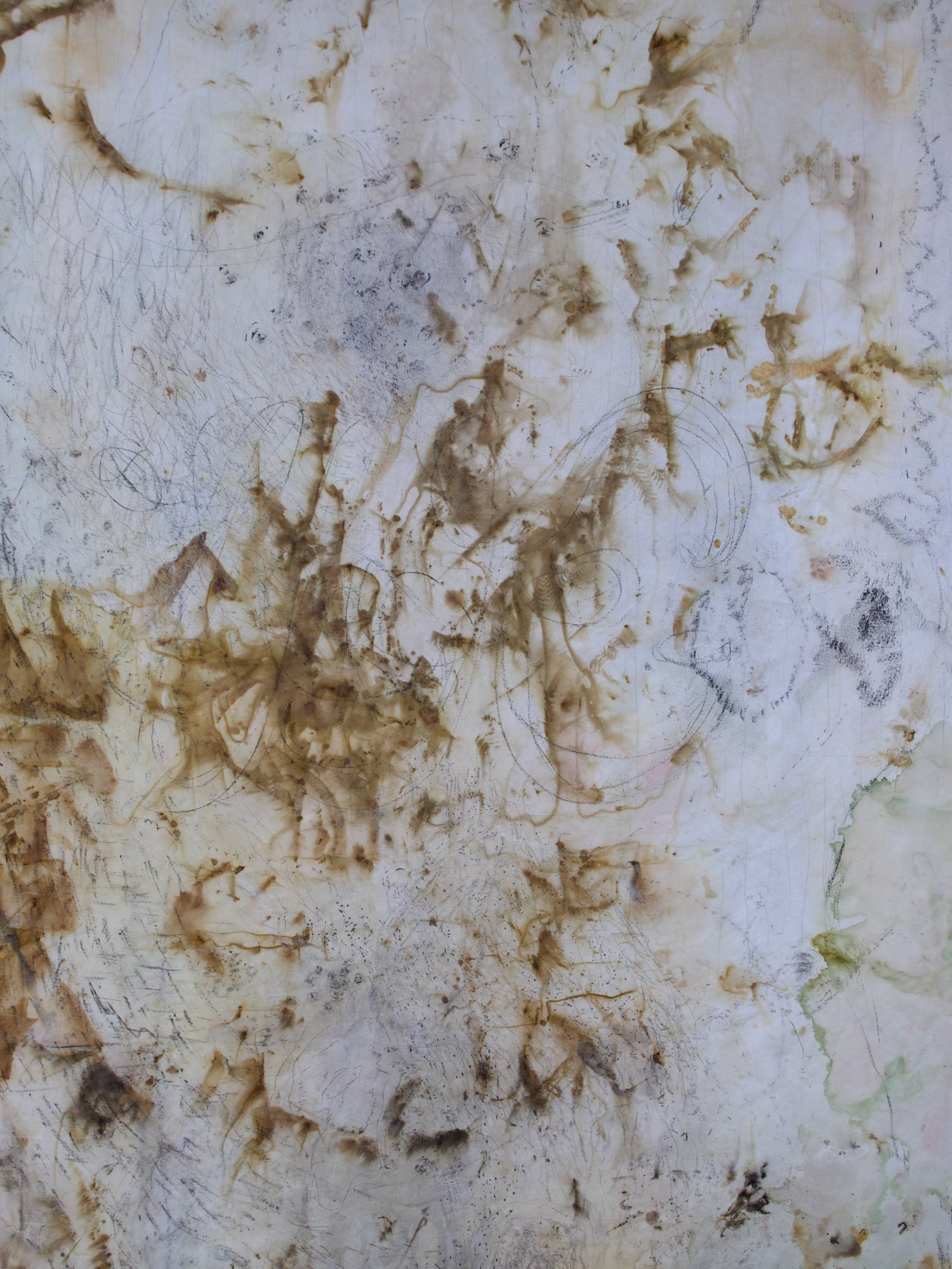
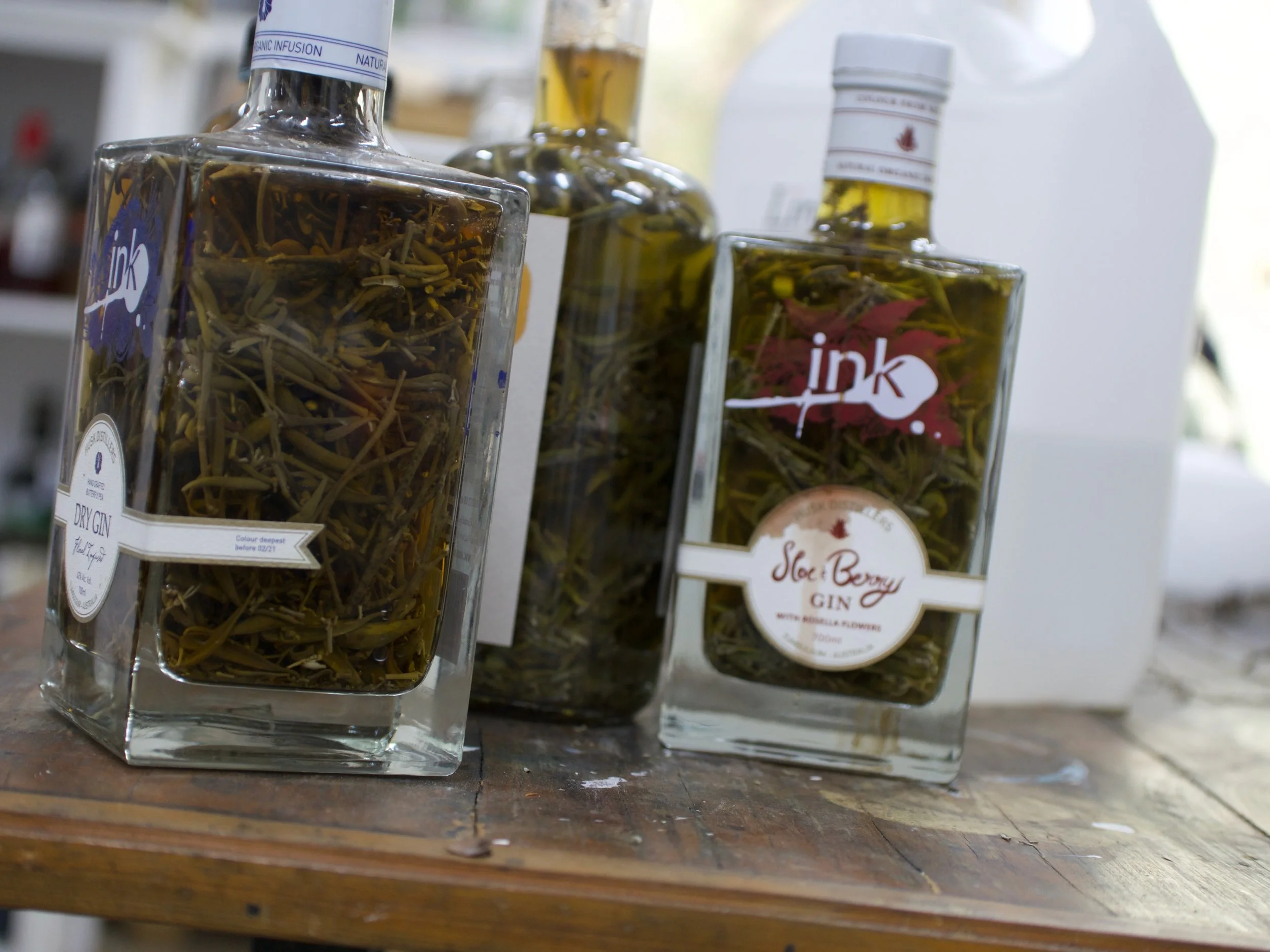
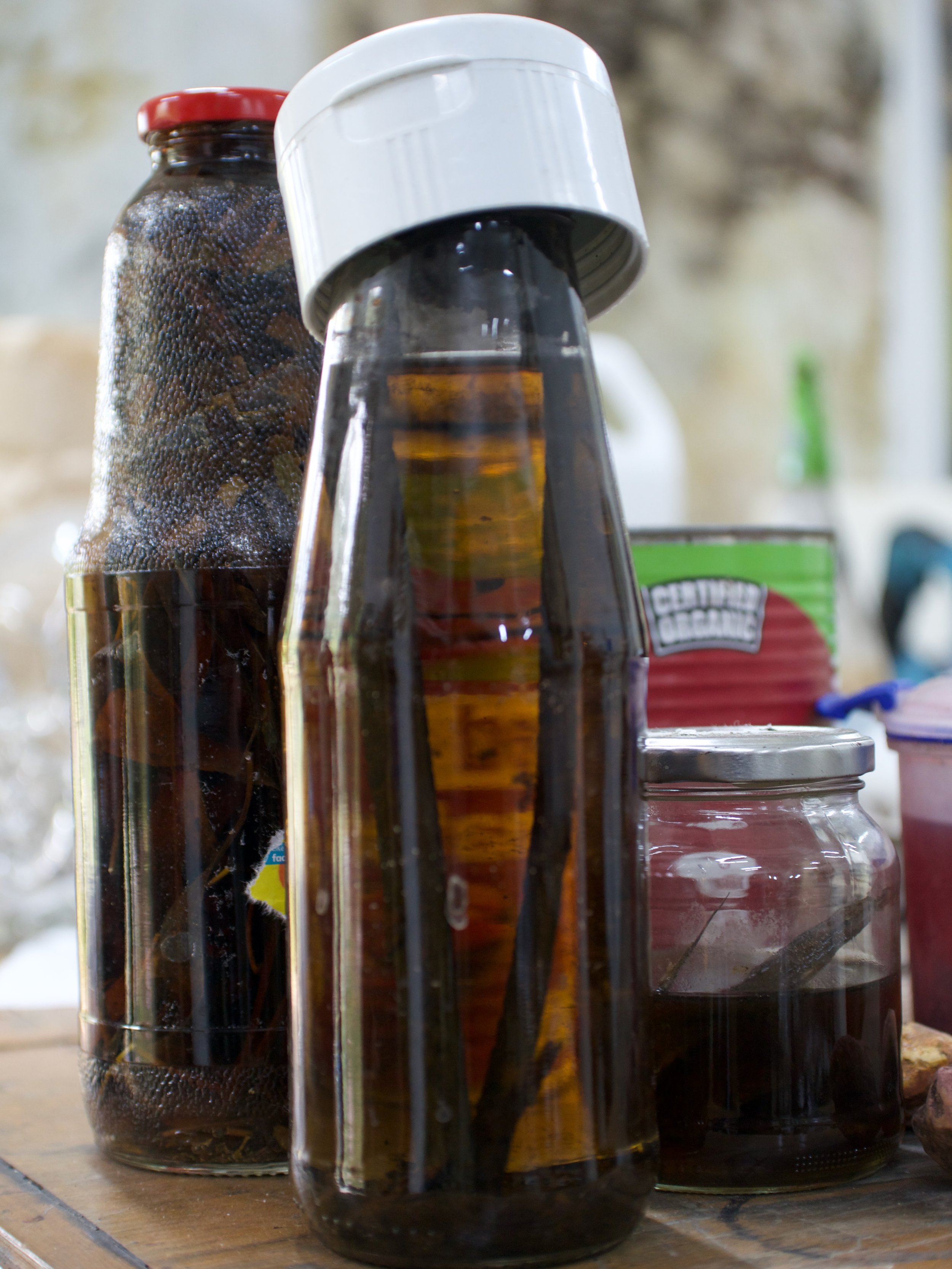
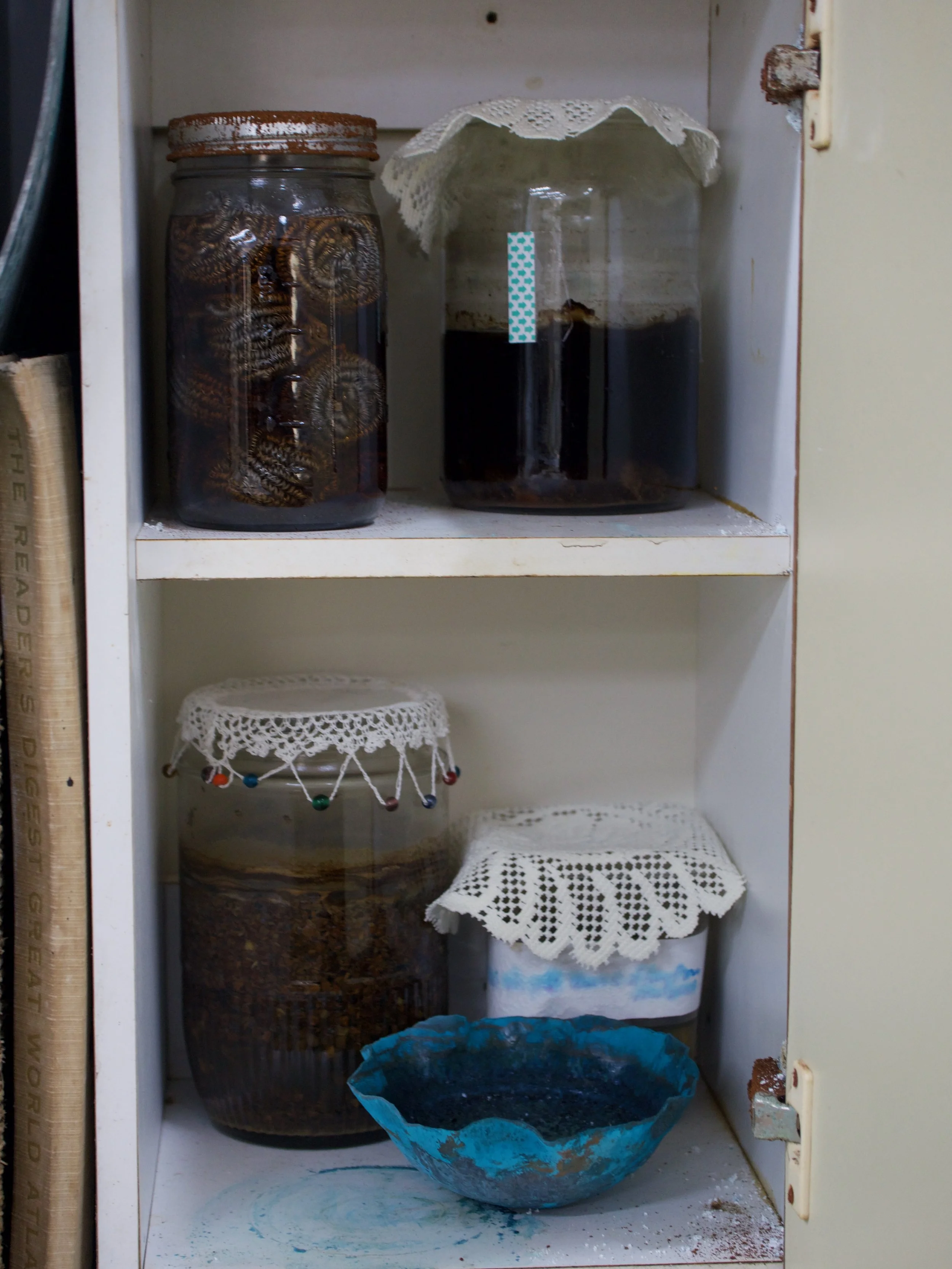
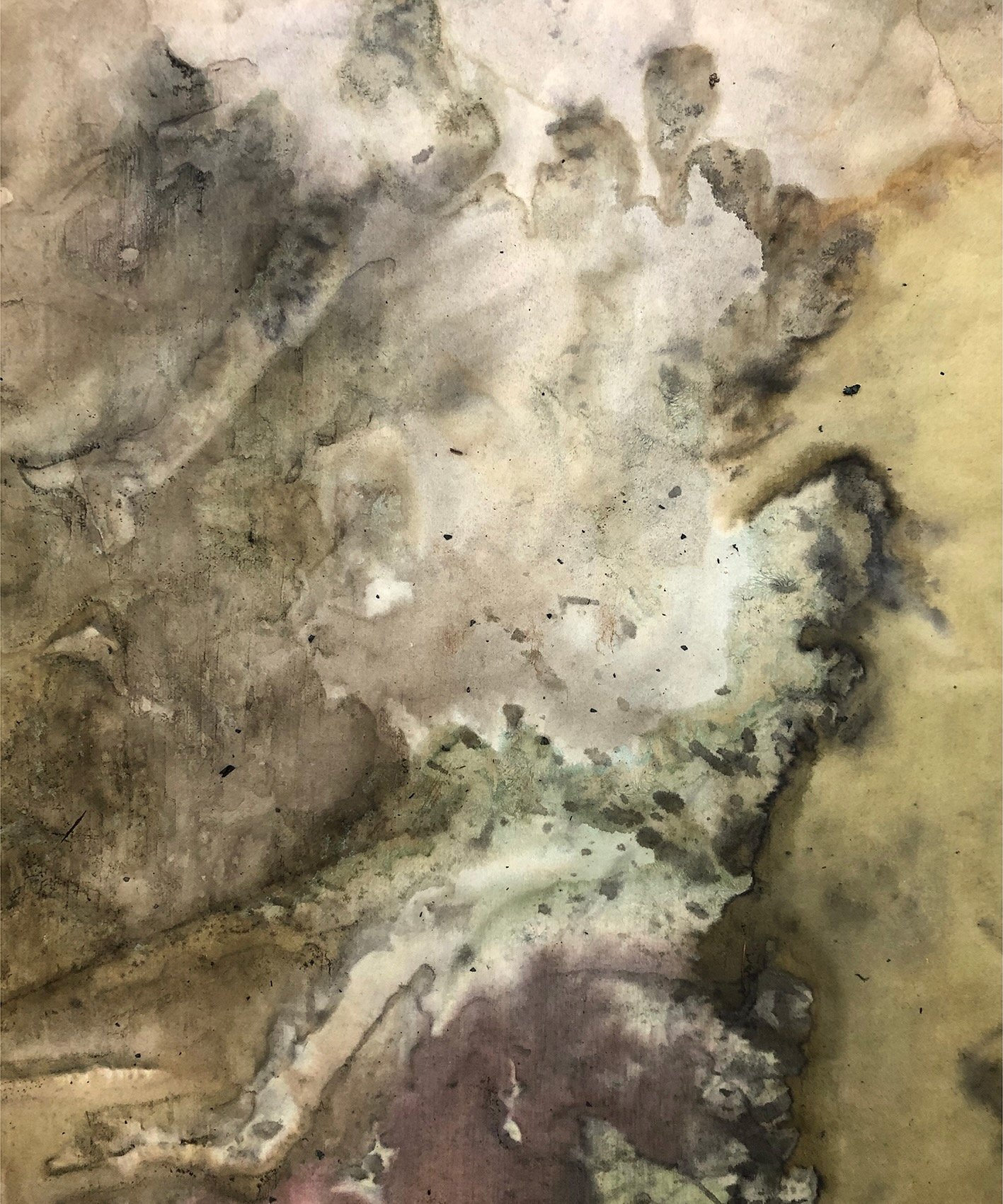
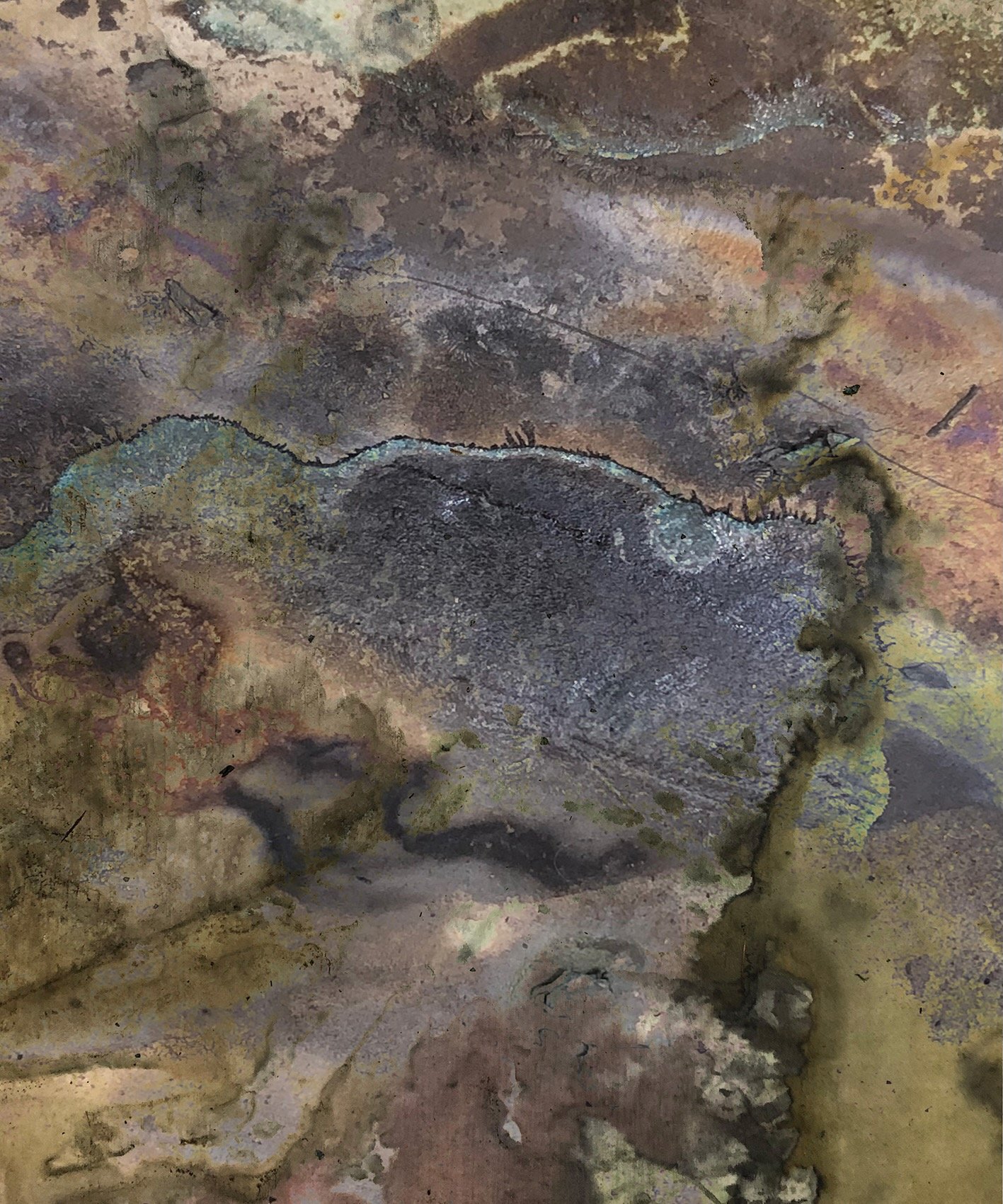
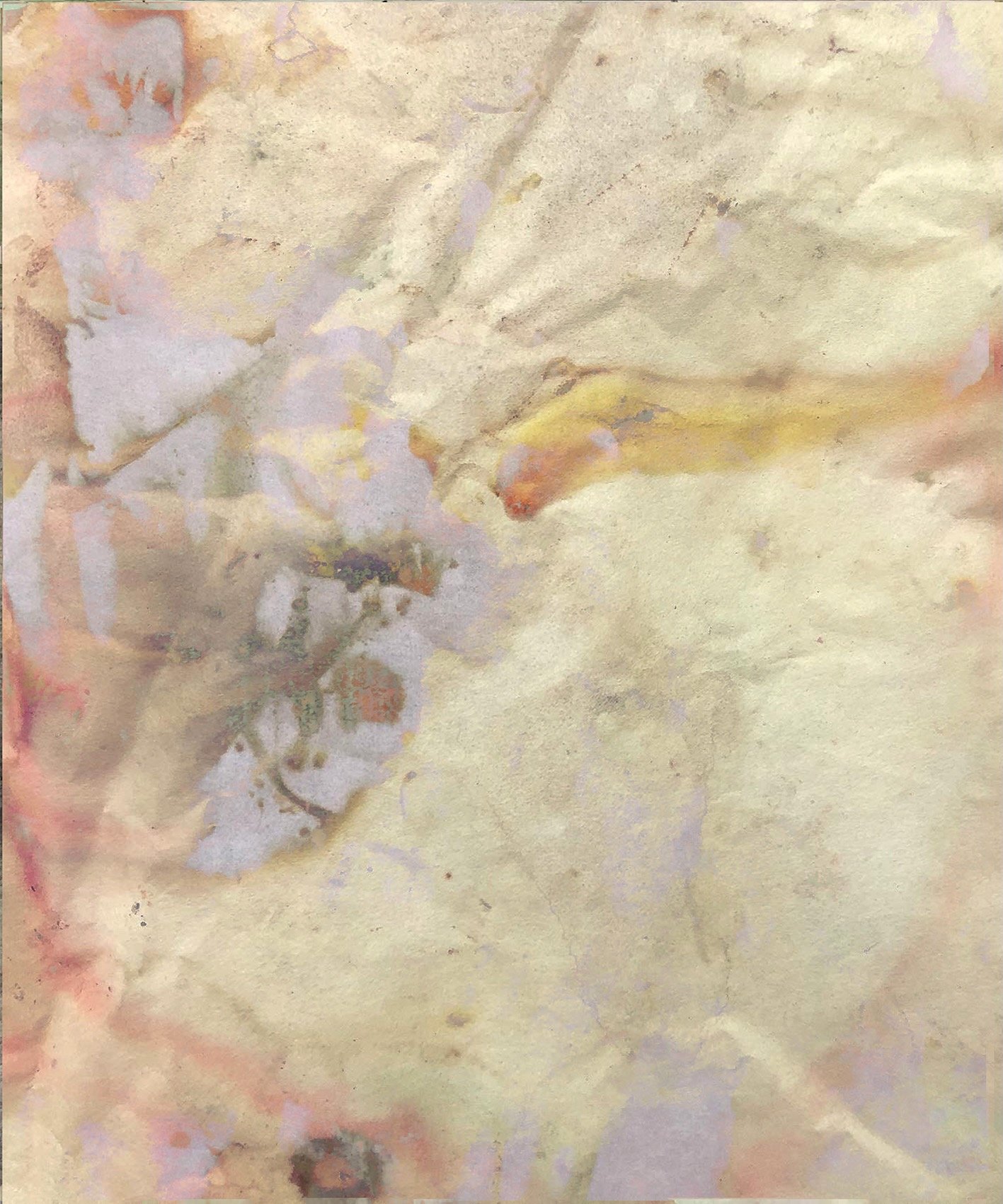
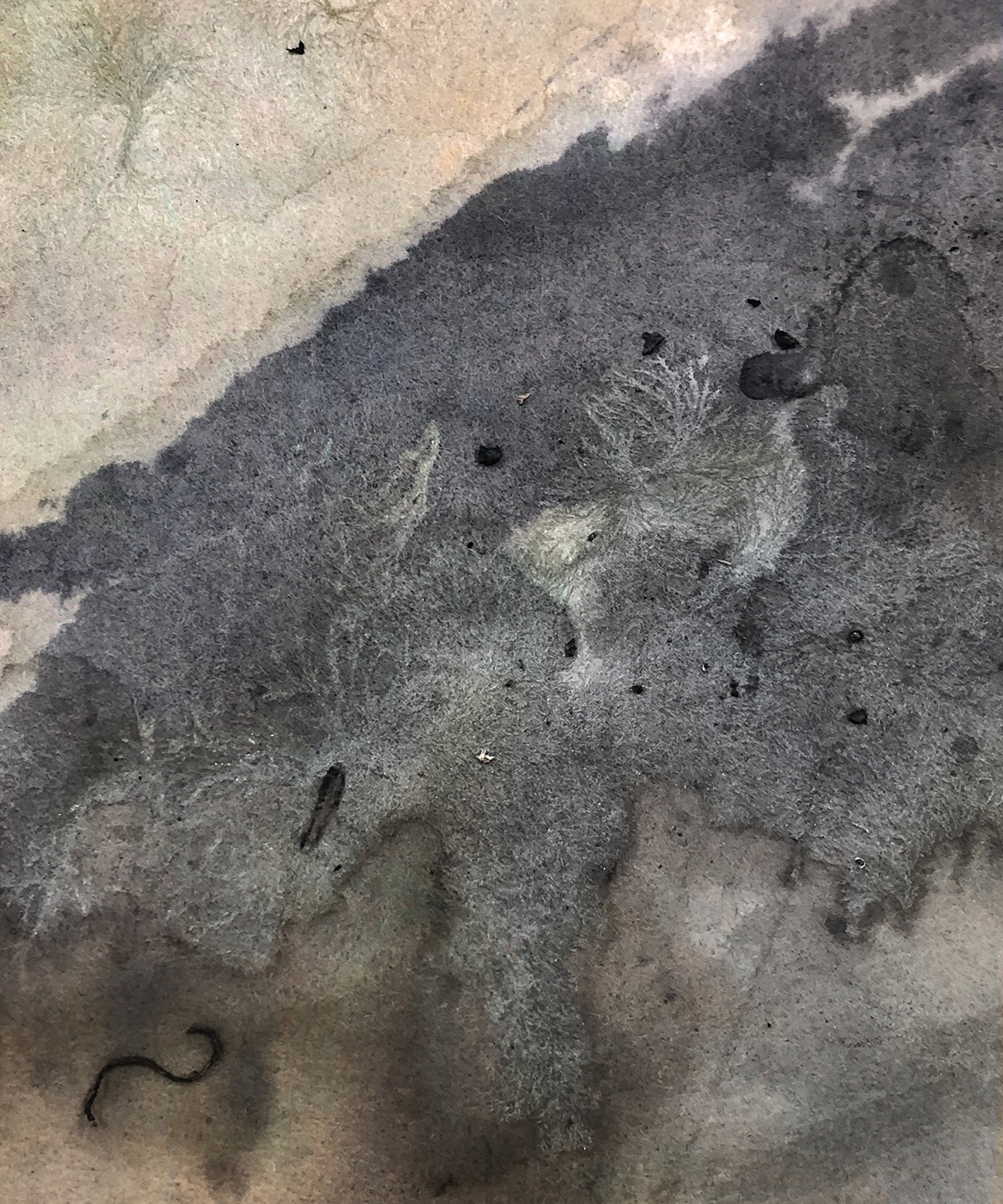
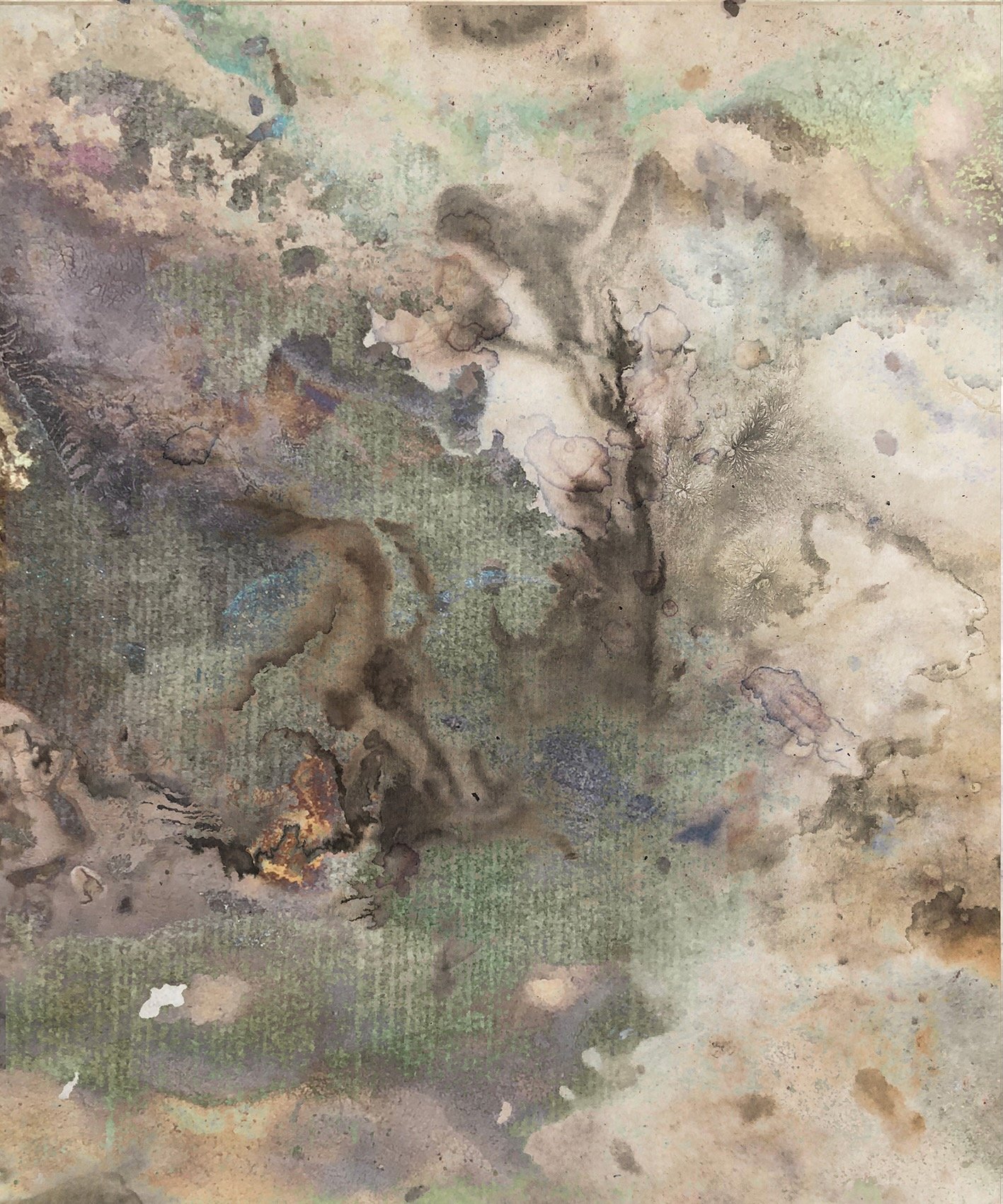
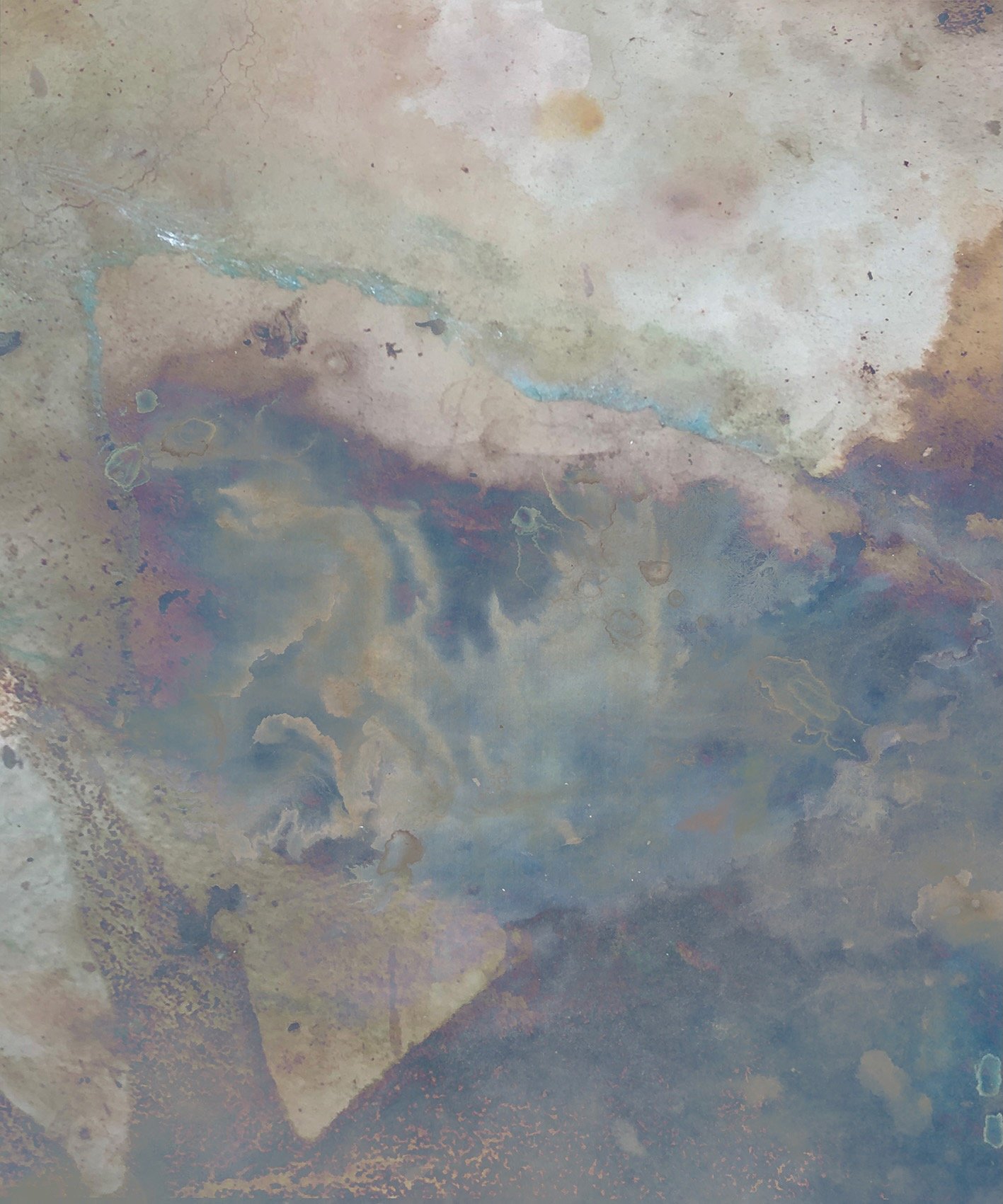
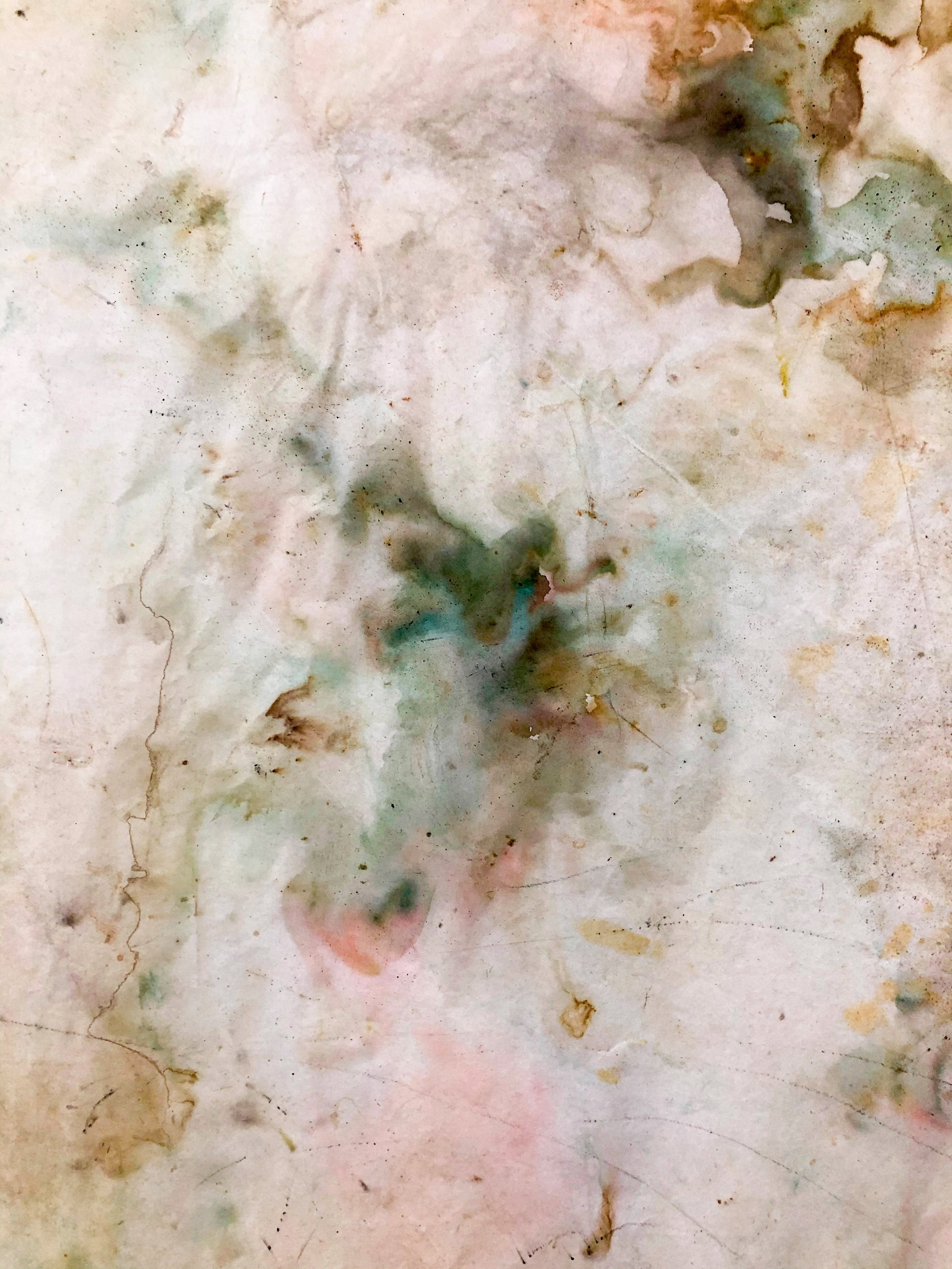
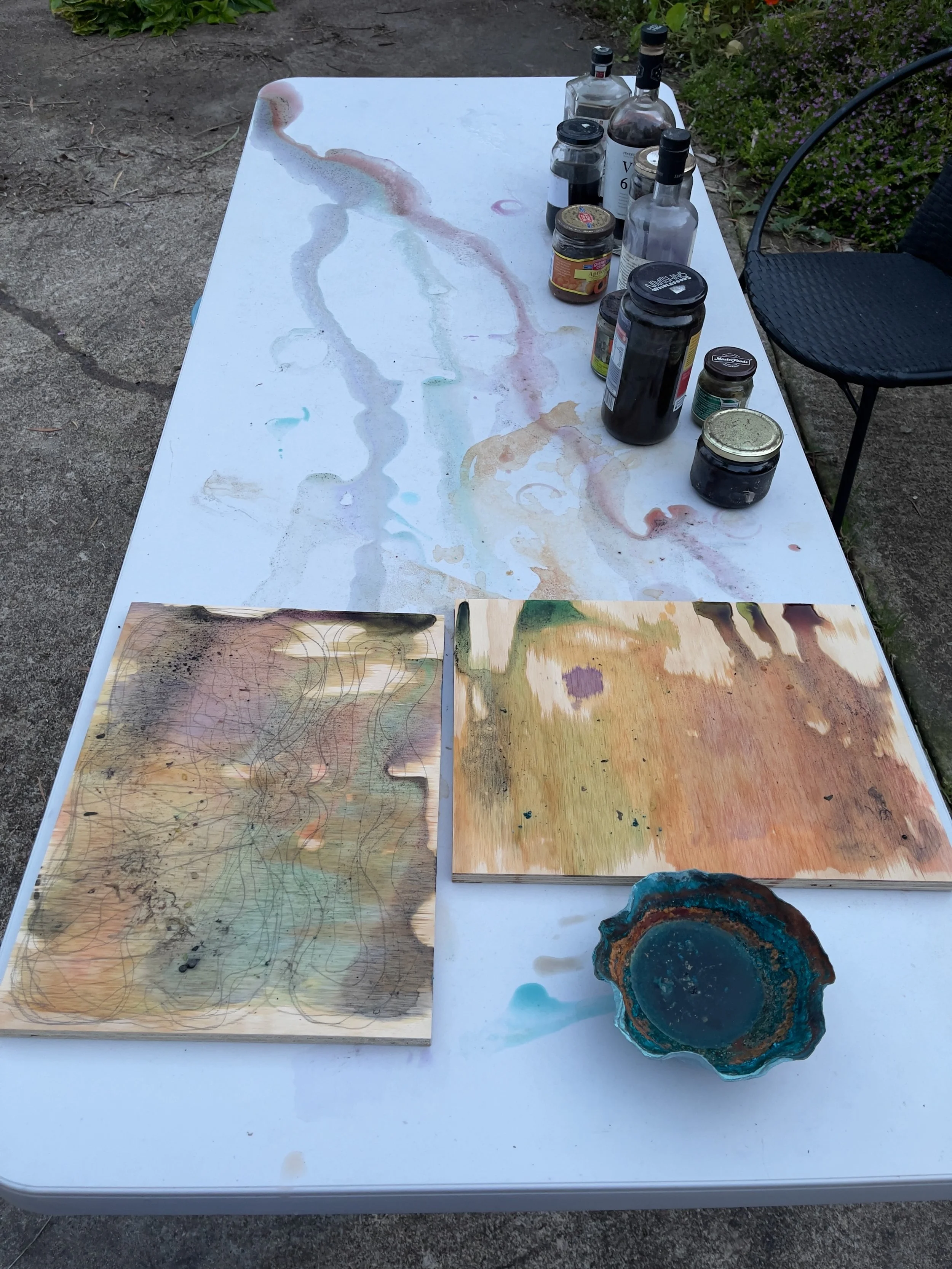
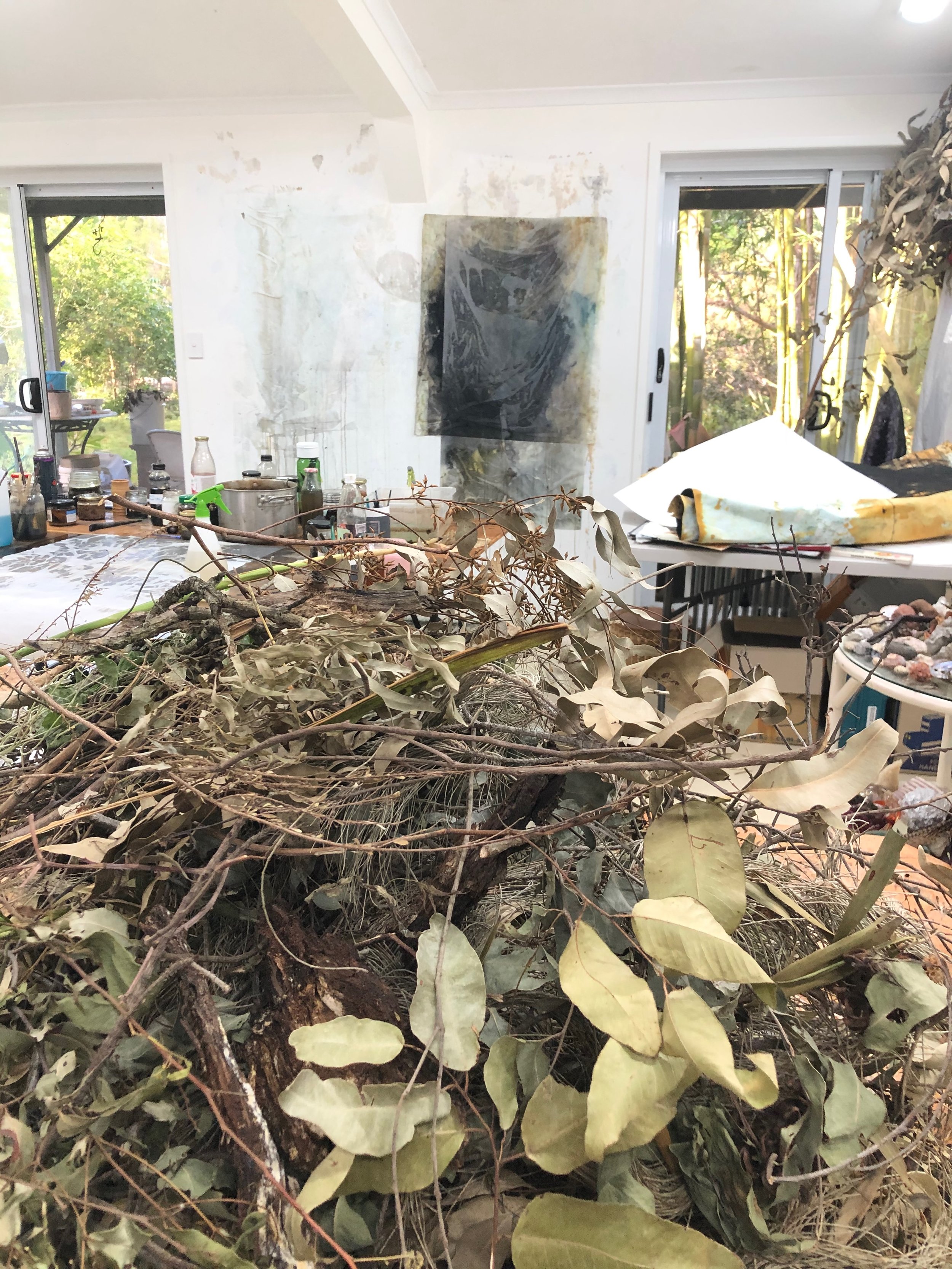
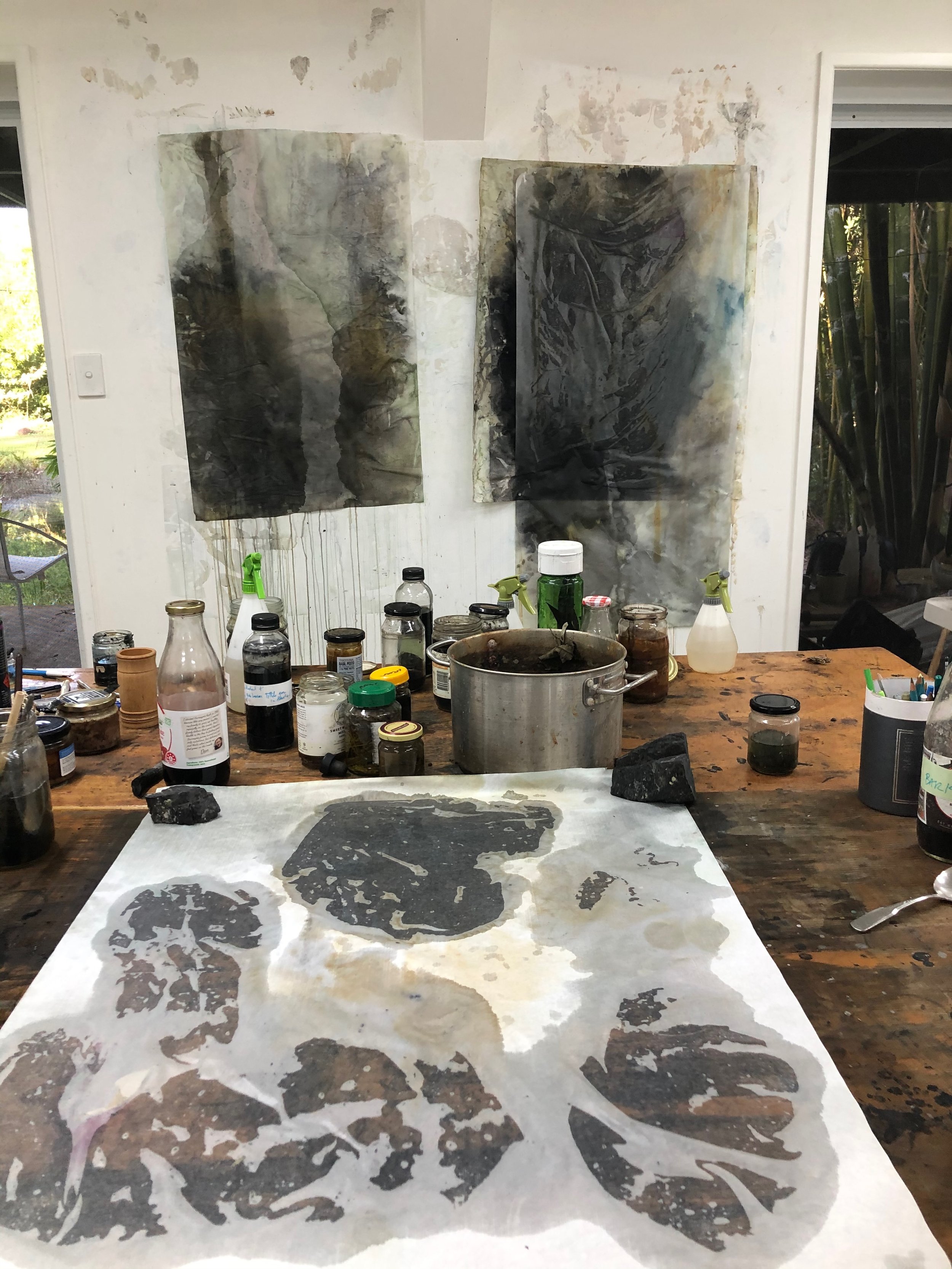
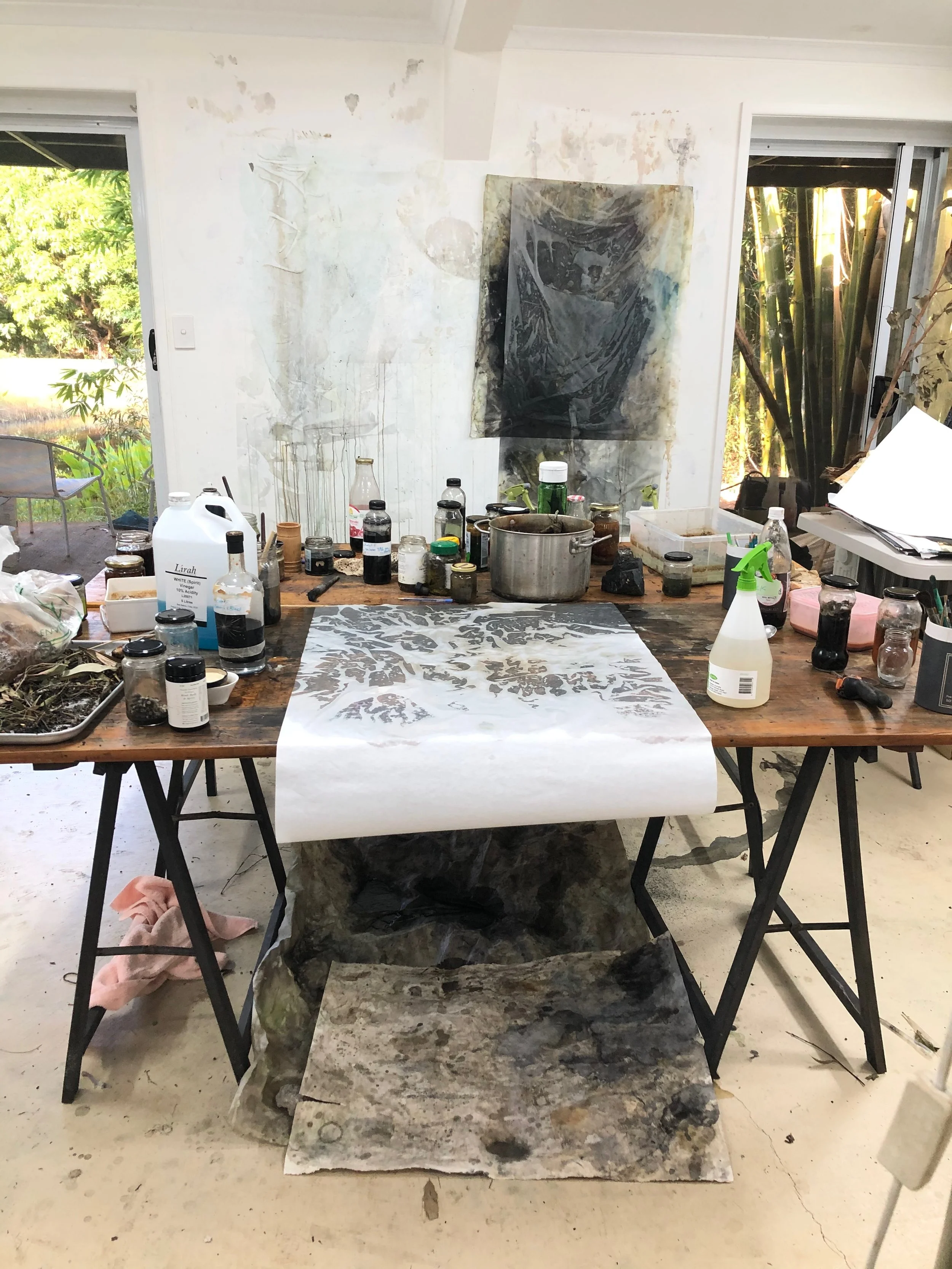
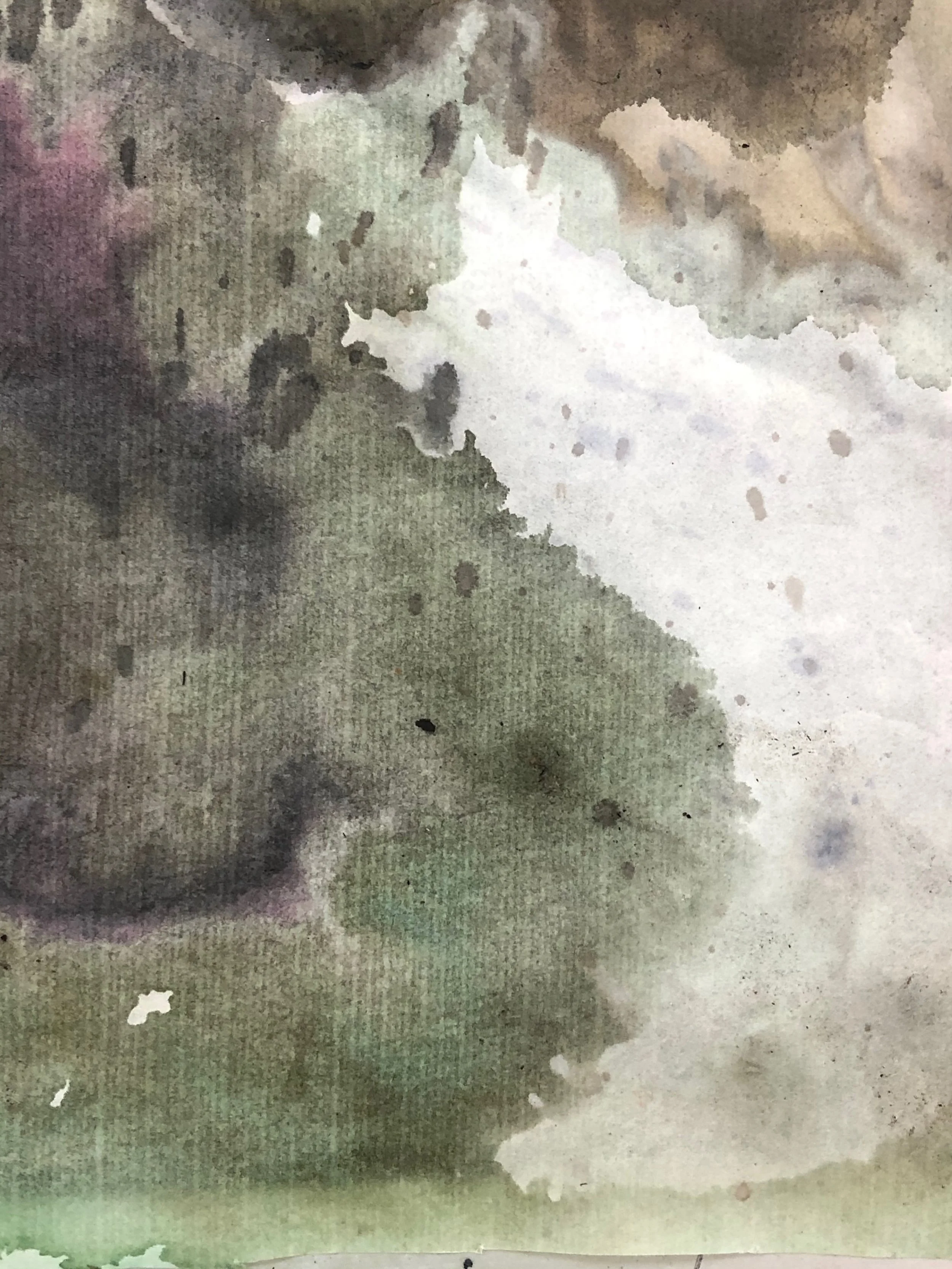
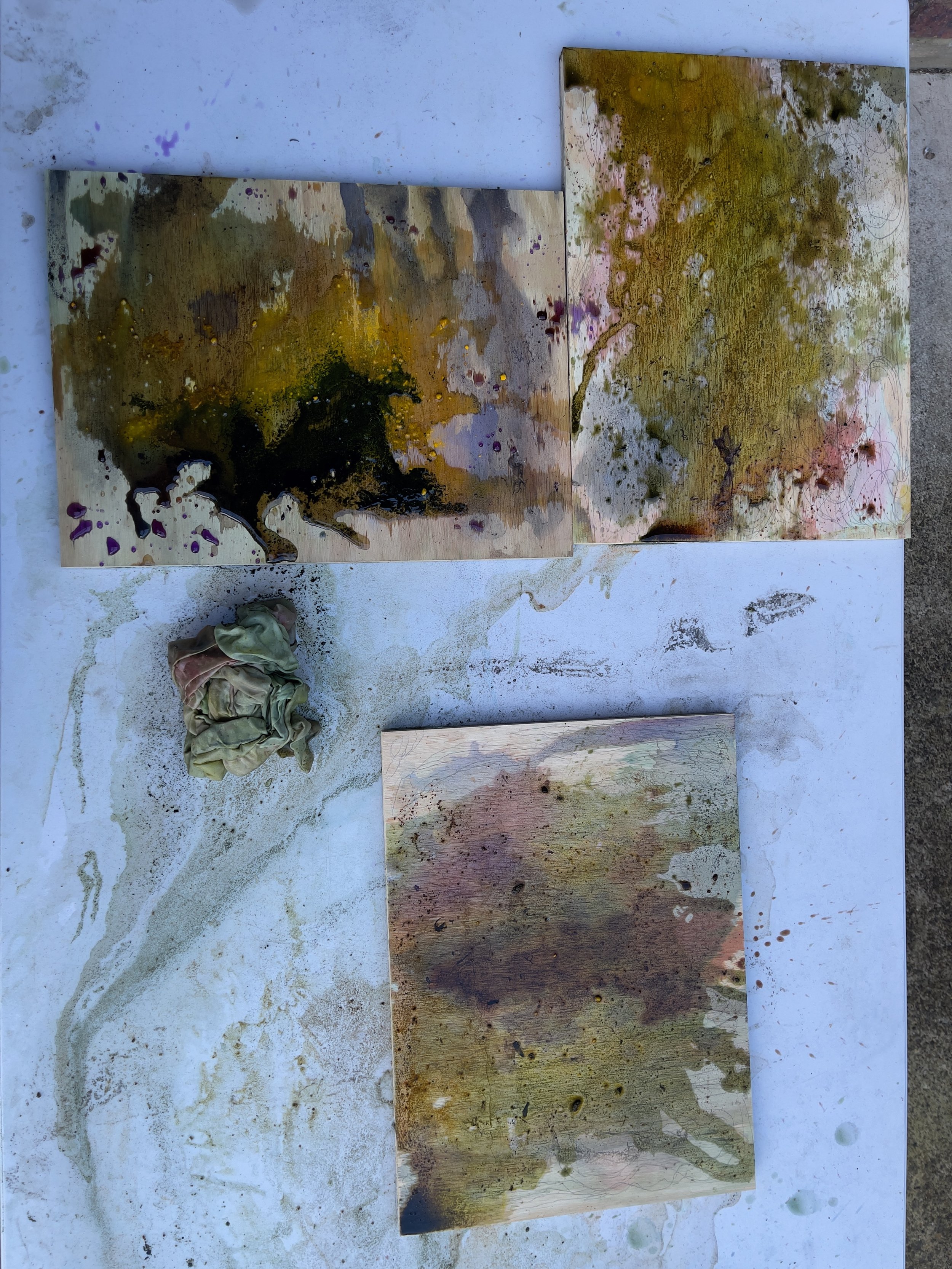
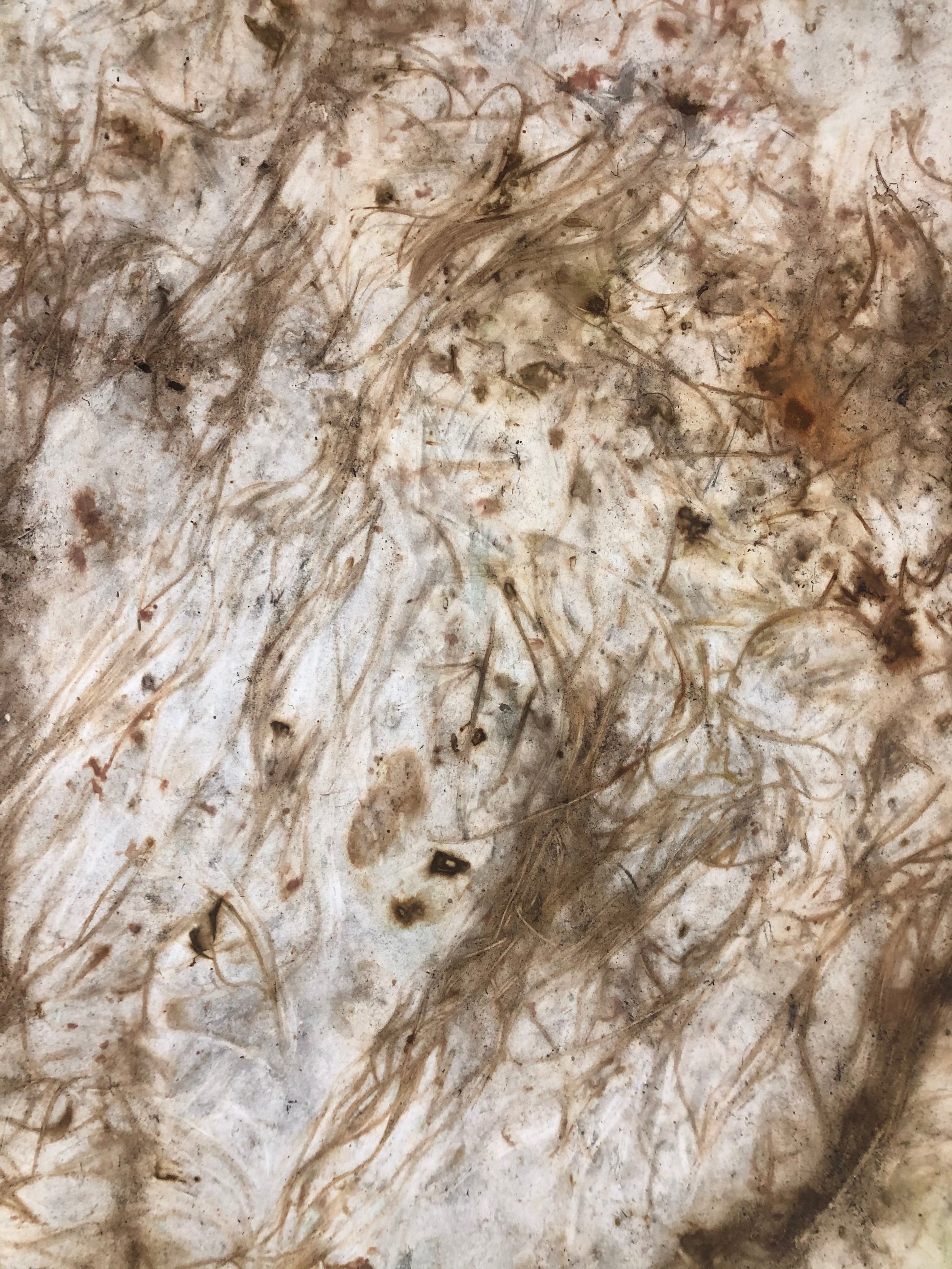
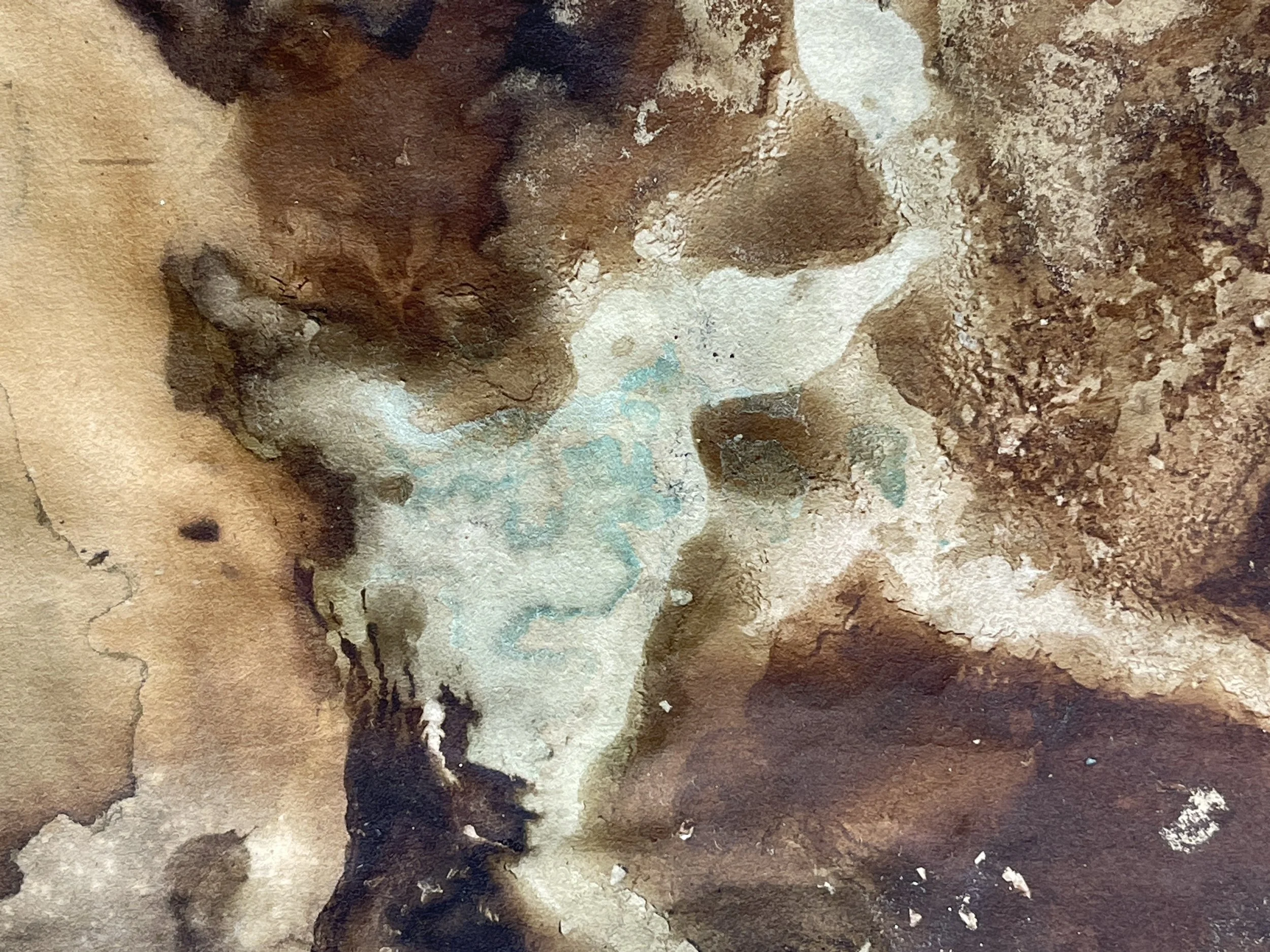
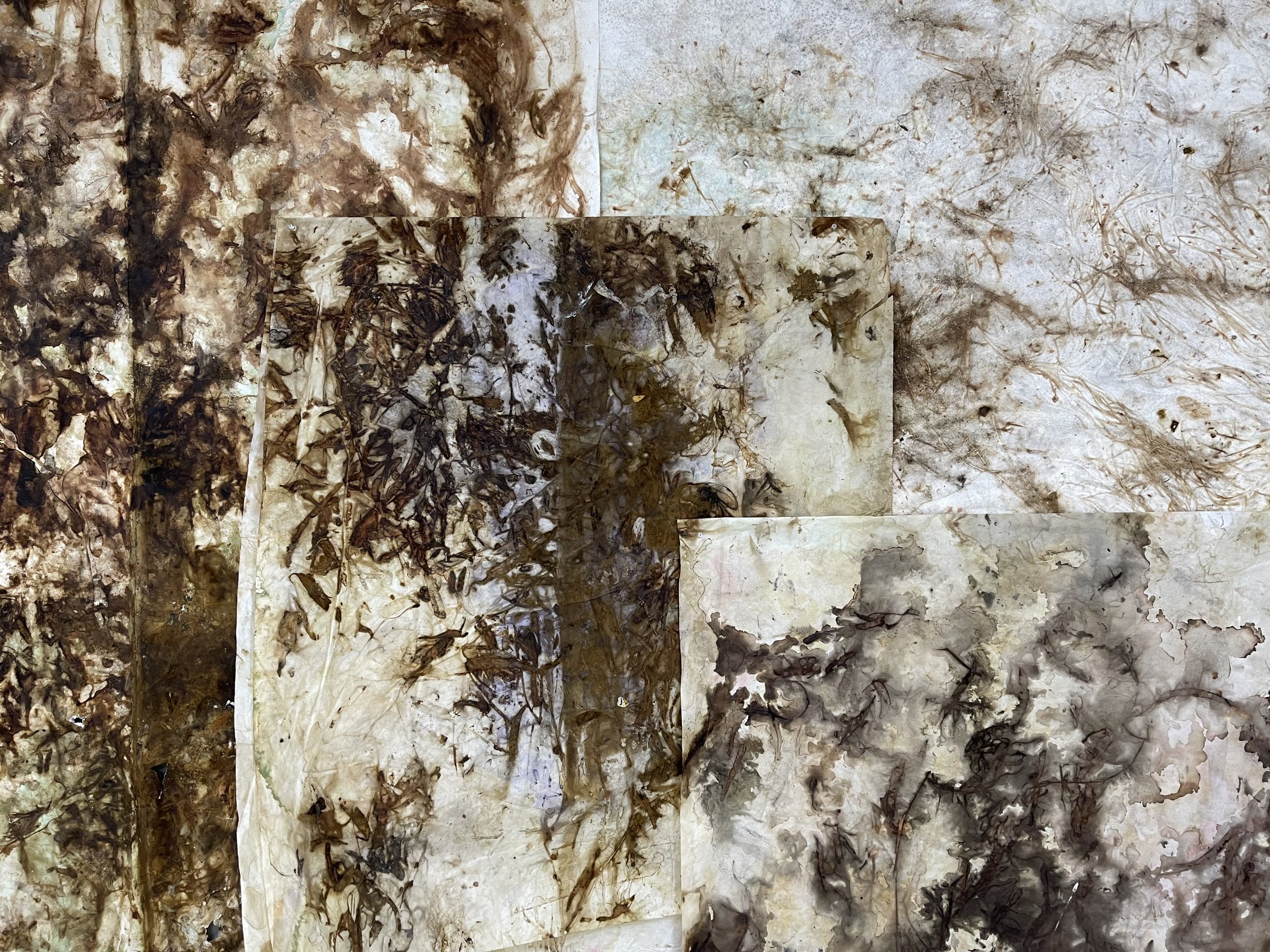
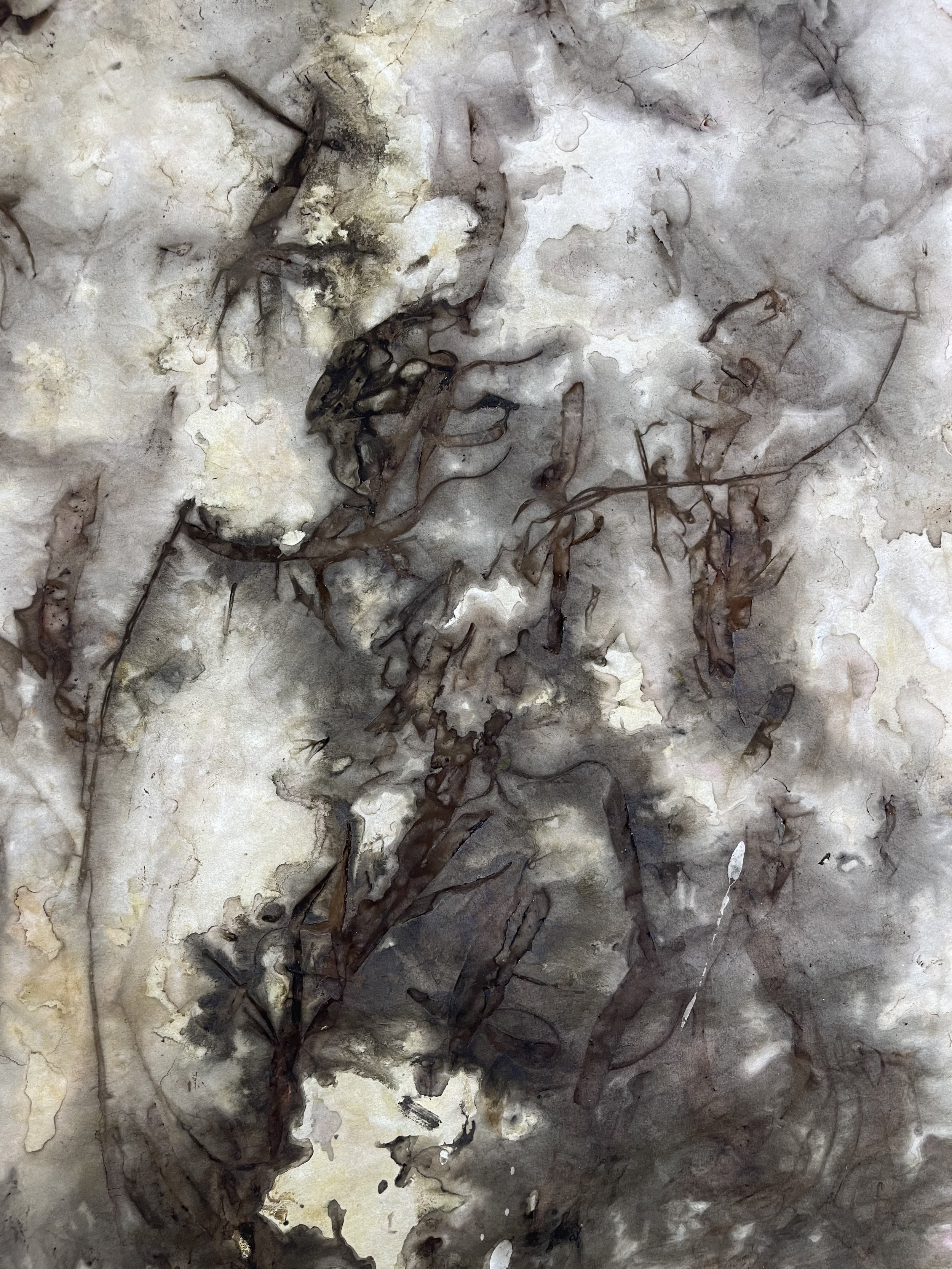
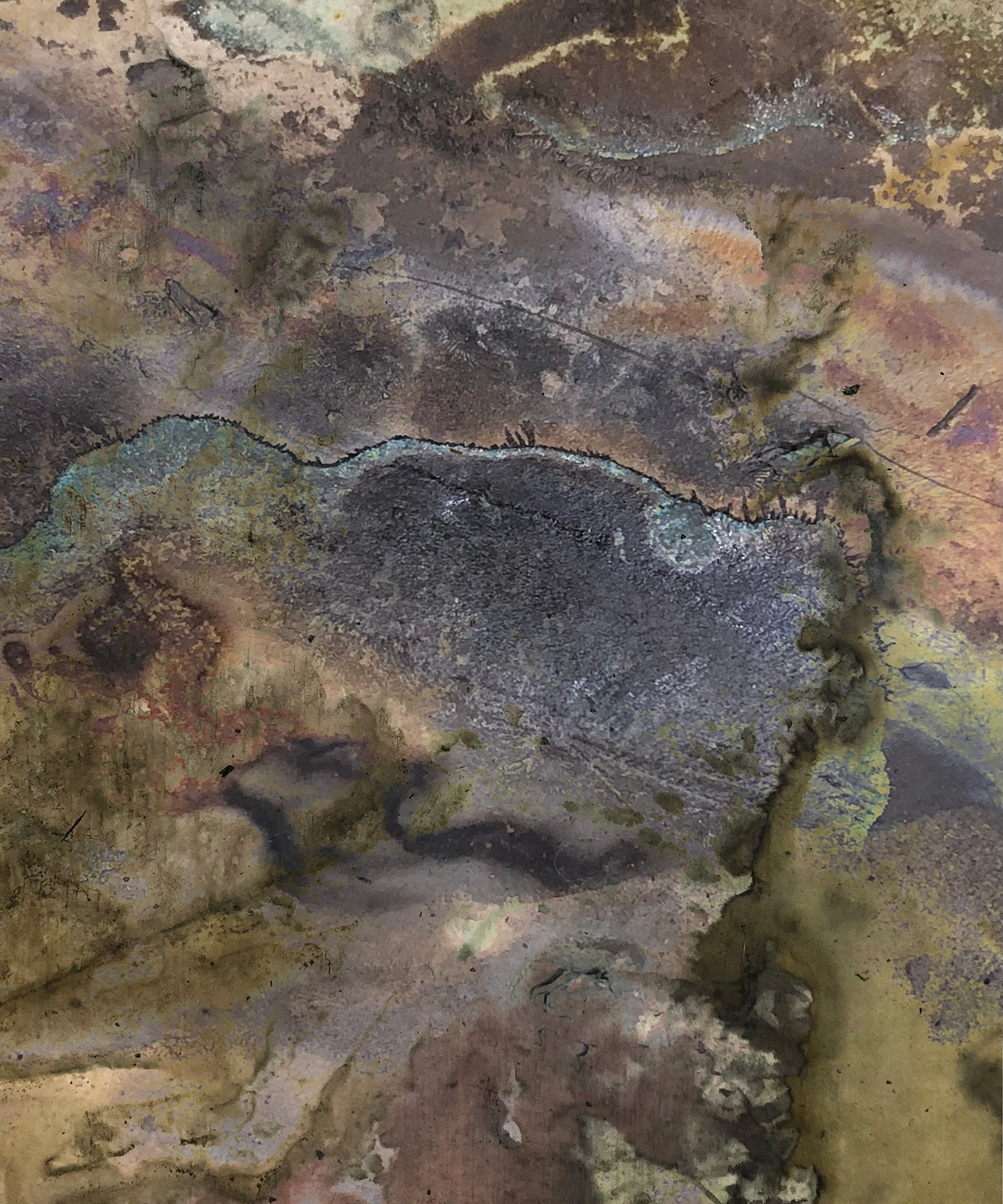
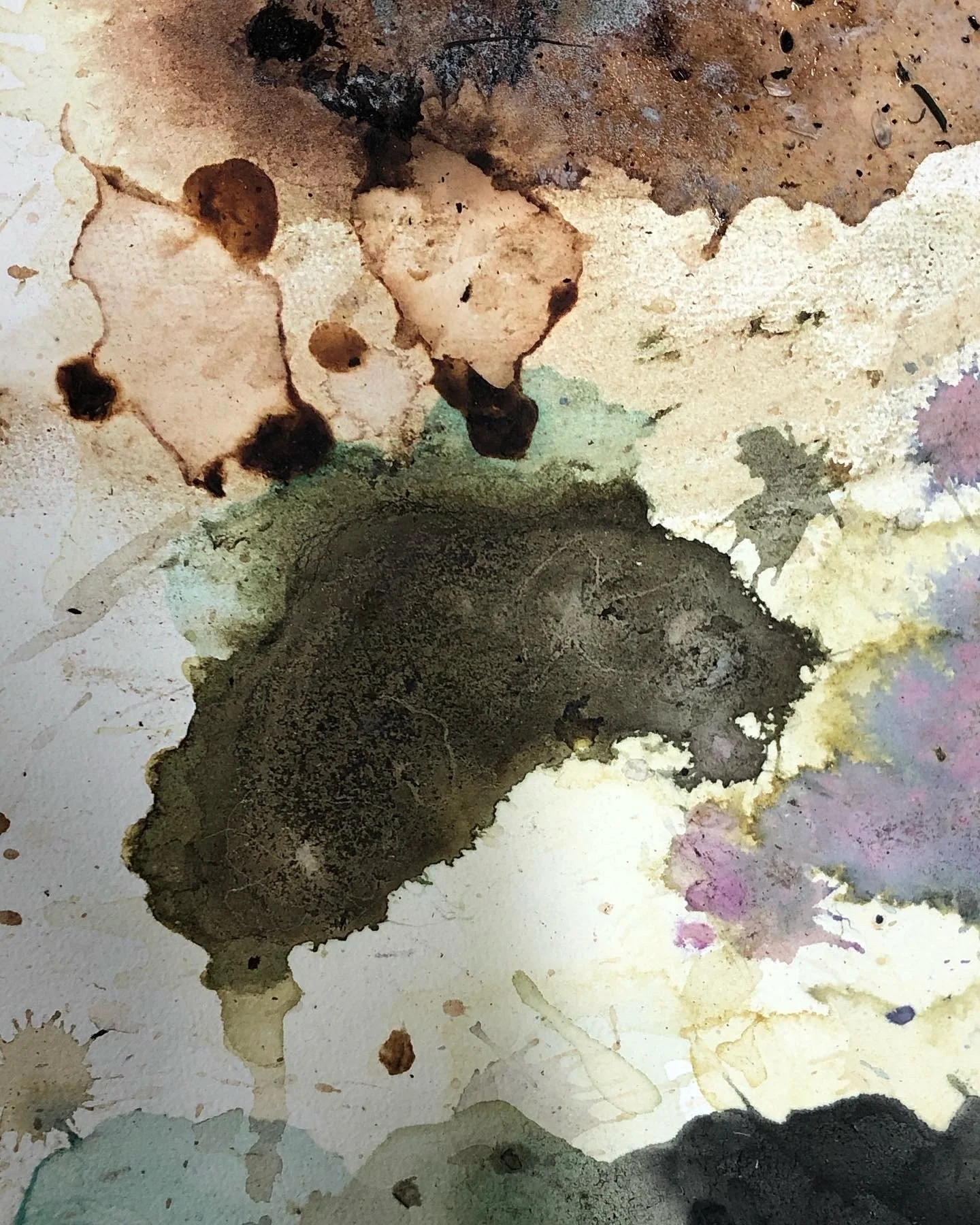
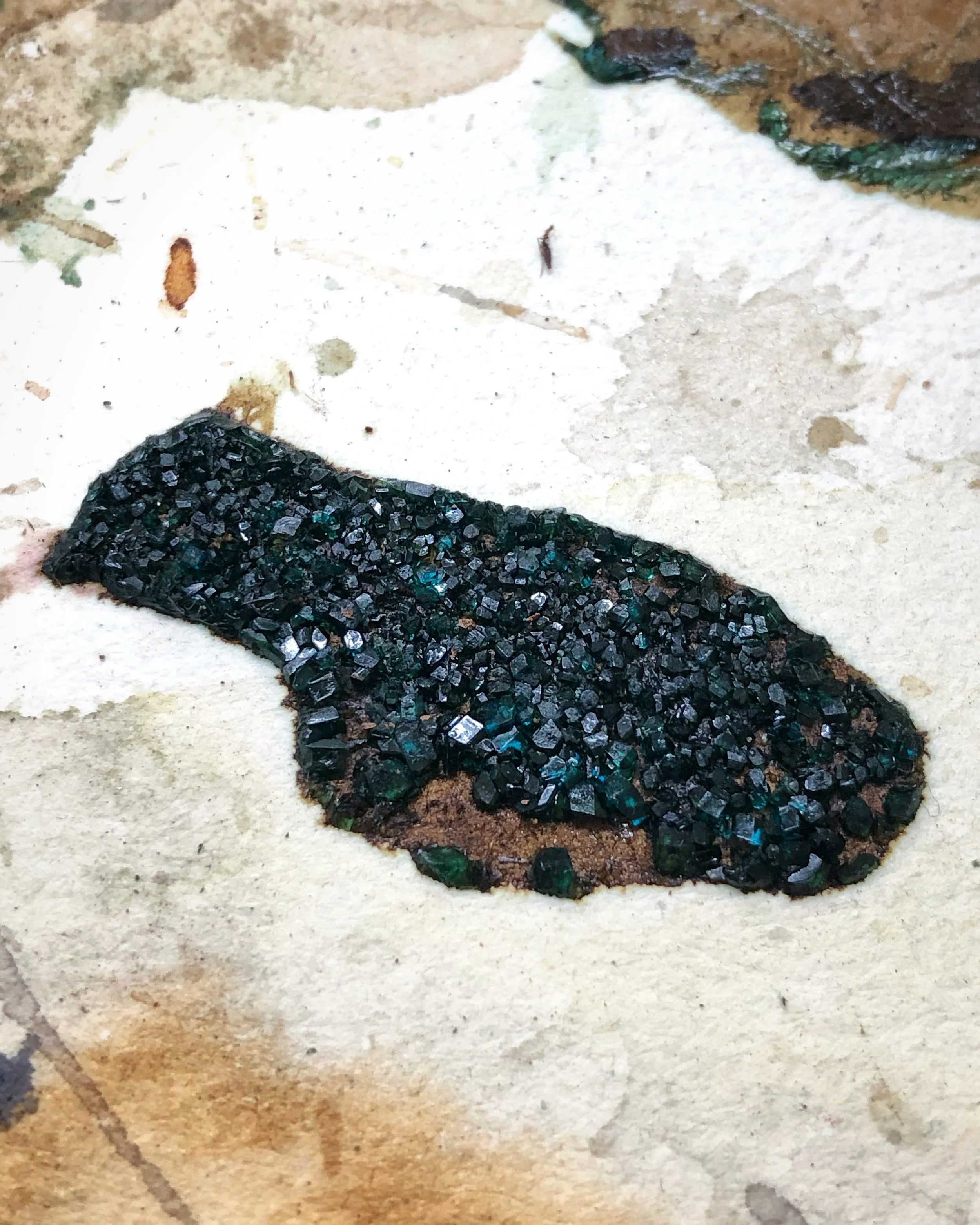
I worked with biological inks made from plant matter, mineral salts, waters and microbial growth. These materials were not media so much as communities, already carrying information about place, chemistry and duration. The inks did not depict images. They behaved. They migrated, bloomed, stalled, contaminated one another and receded.
Humans contain less than fifty percent human cells. Most of what we carry is microbial life. Research suggests that when certain bacterial populations reach critical mass, they can influence behaviour and action. Intelligence here is not located in a centre. It emerges through relation, density and cooperation.
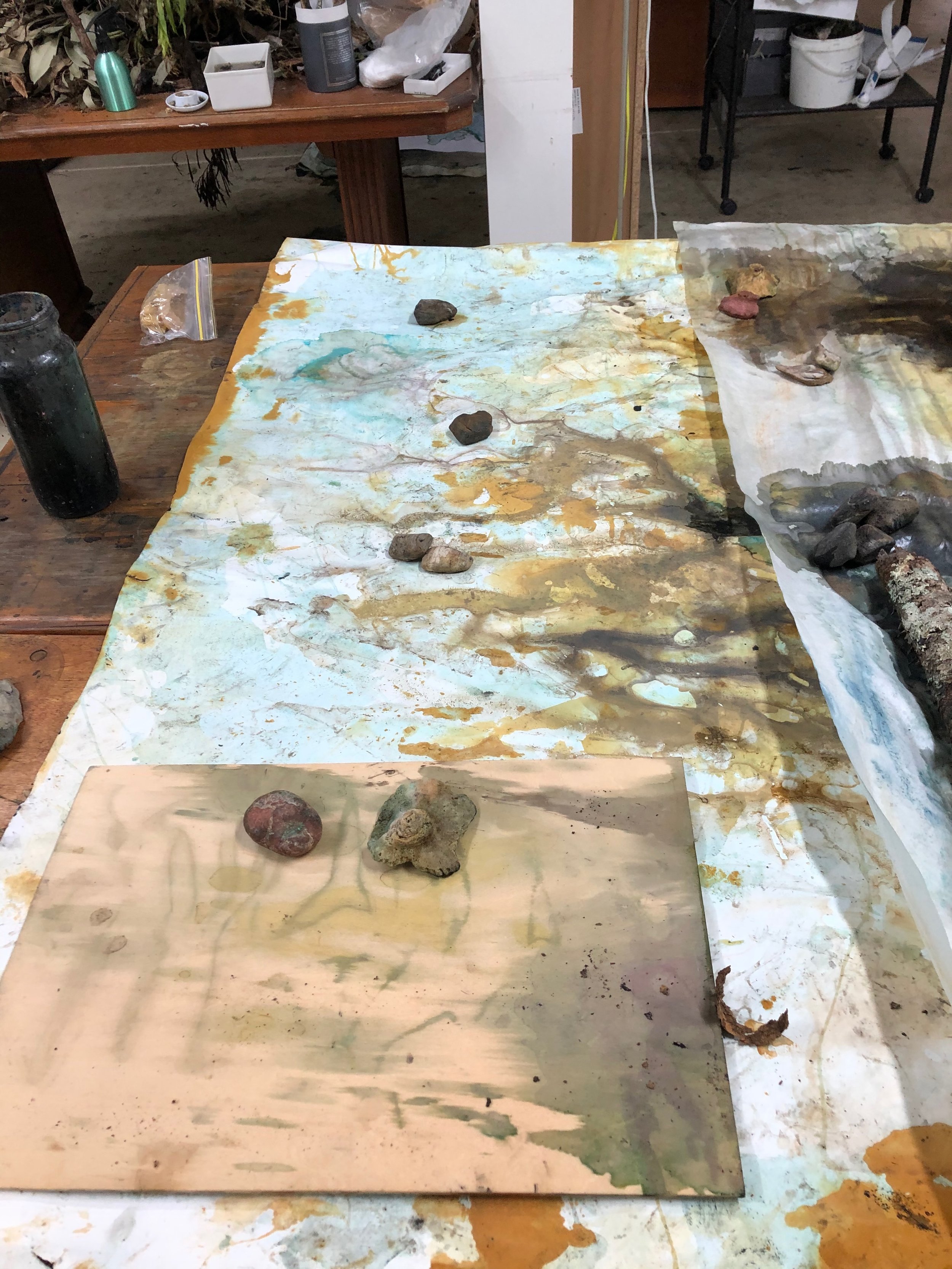
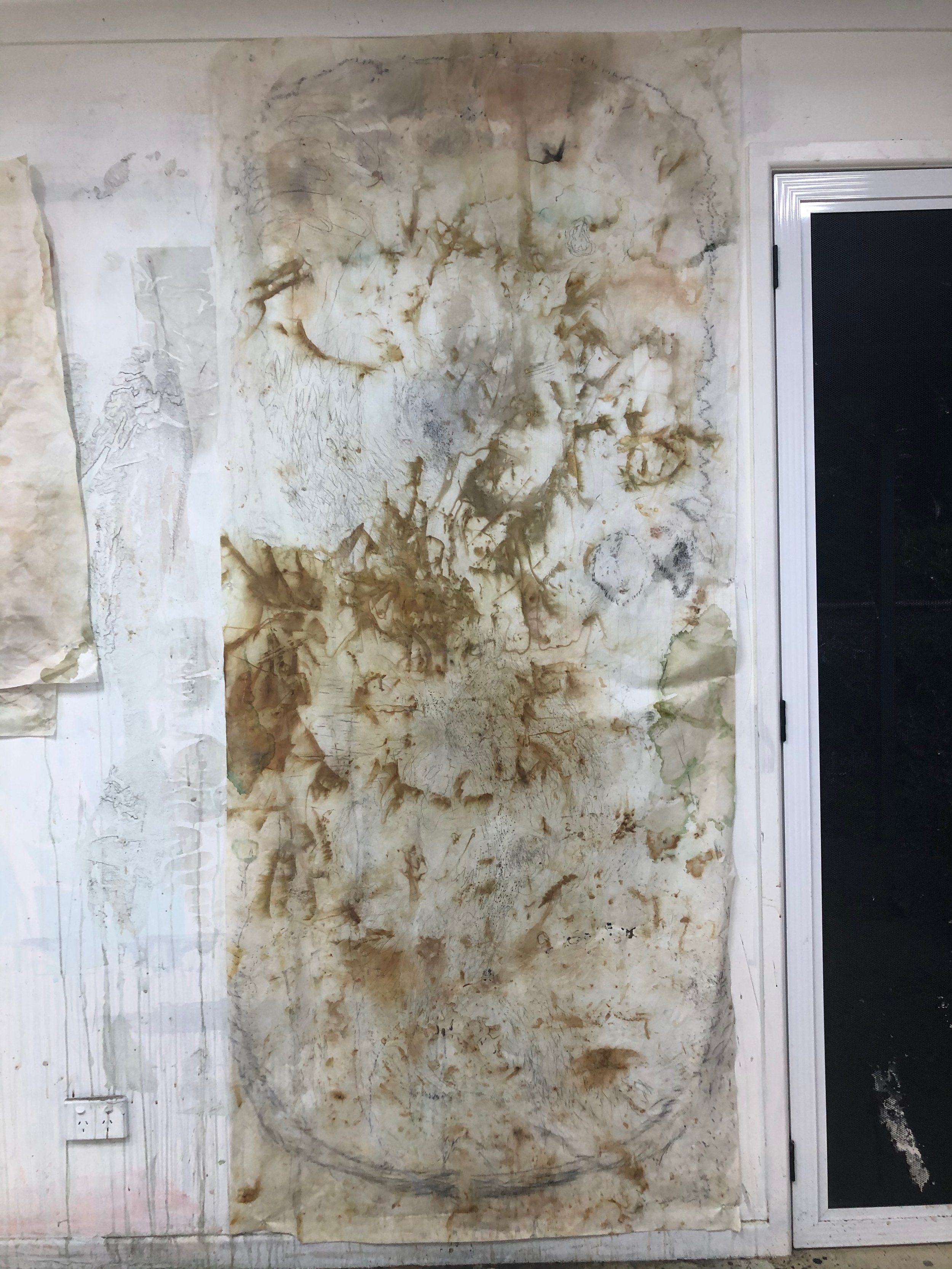
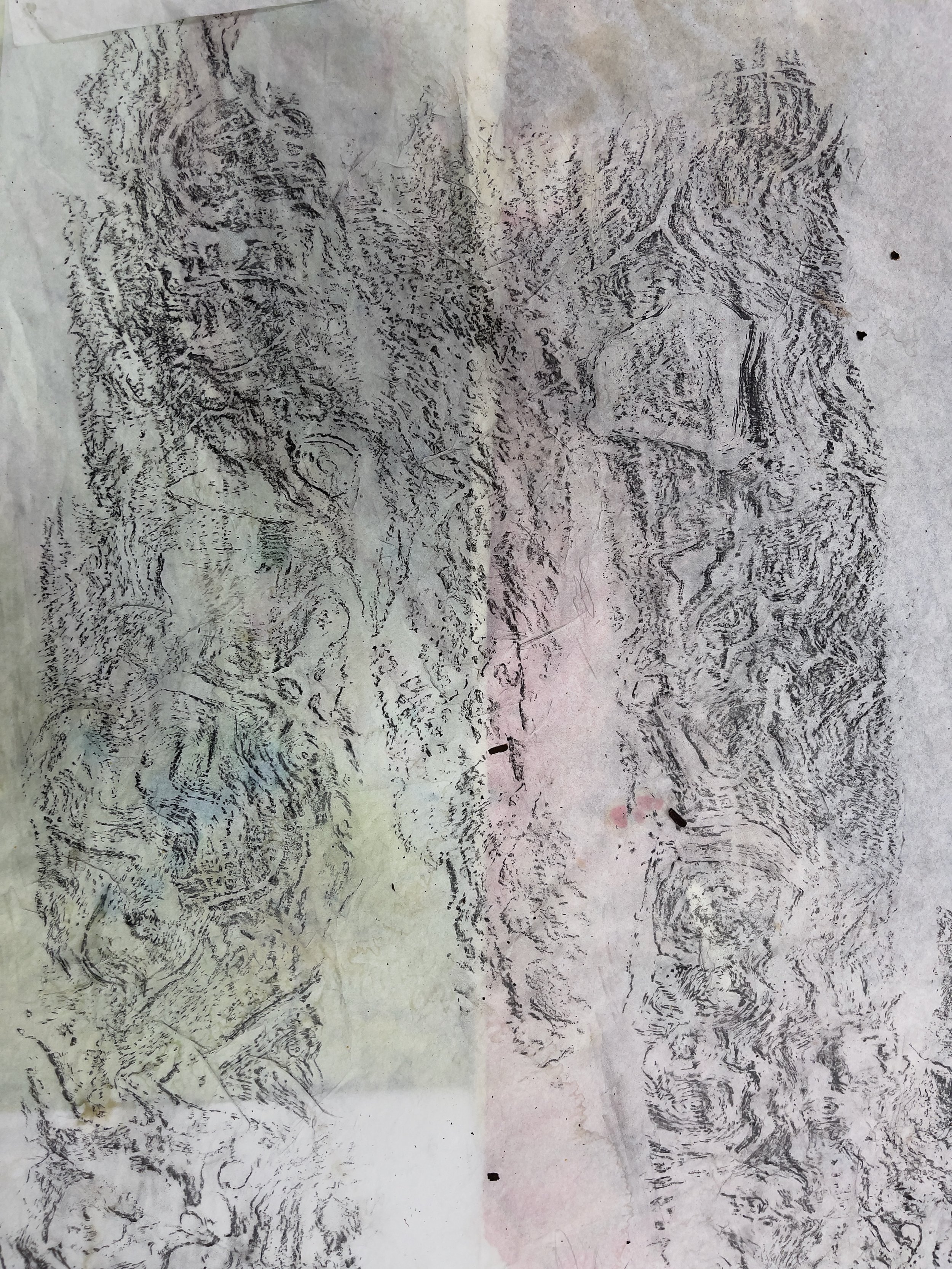
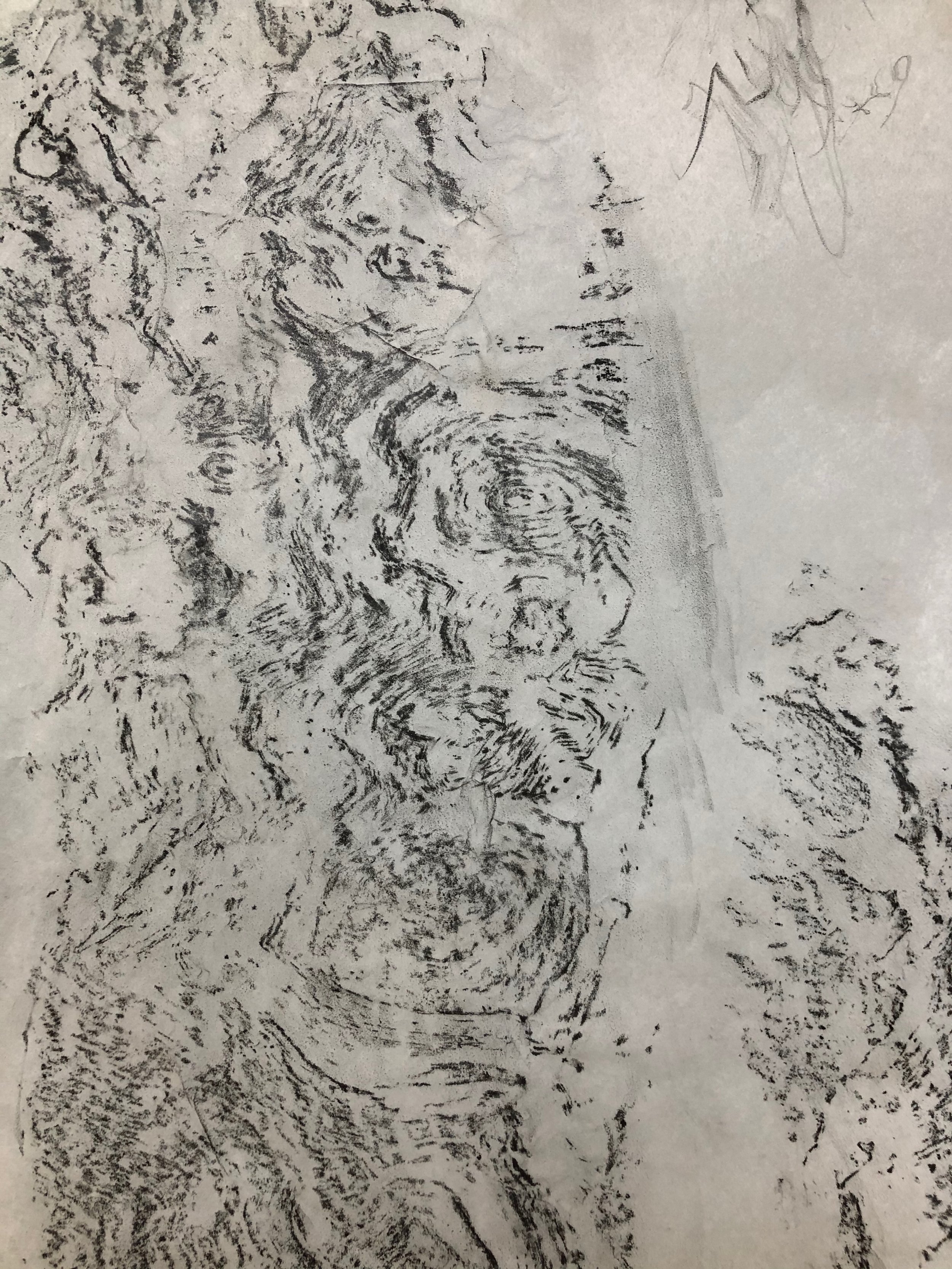
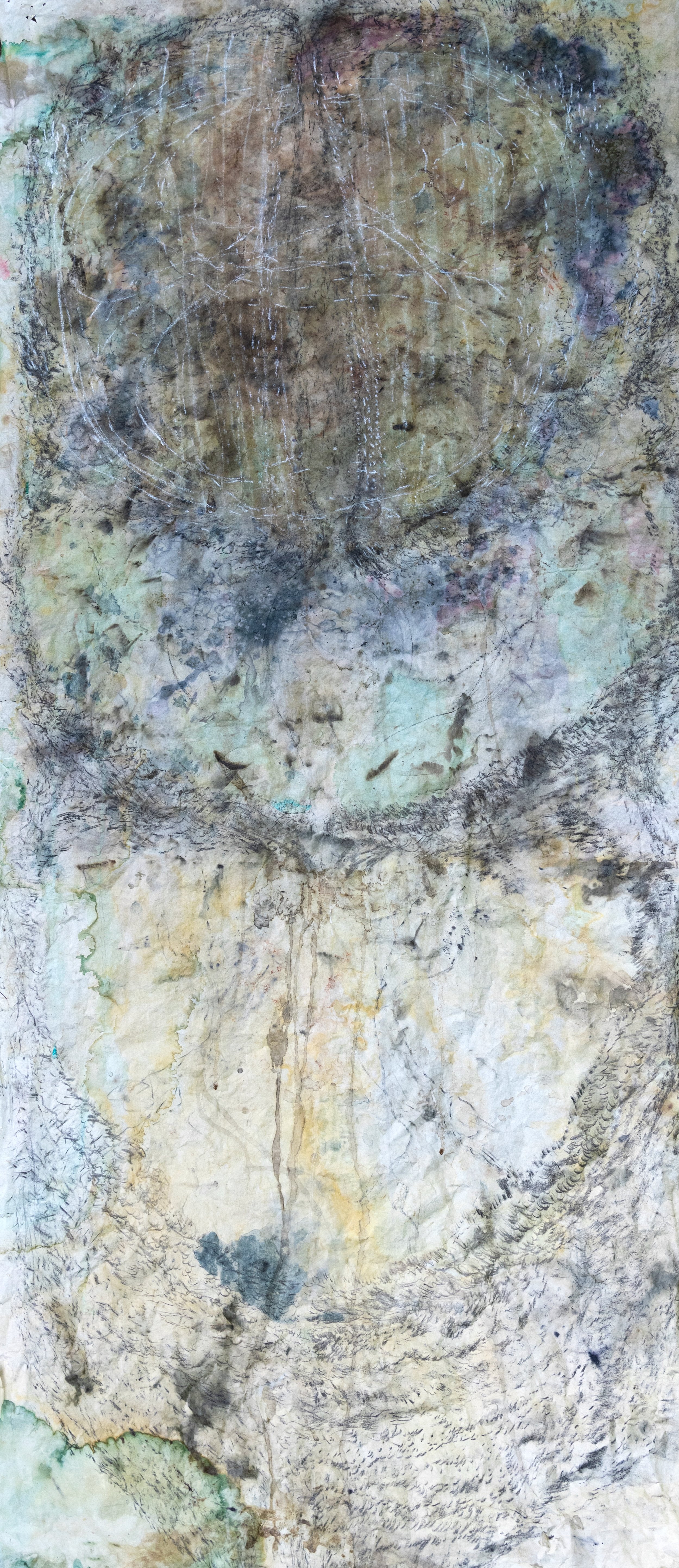
I use multi-sensory and proprioceptive action to translate this information into mark. When intellectual processing falters, the body continues to sense. Gesture-led drawing, pressing, staining and contact open a conversation between body, biome, environment and micro-fauna.
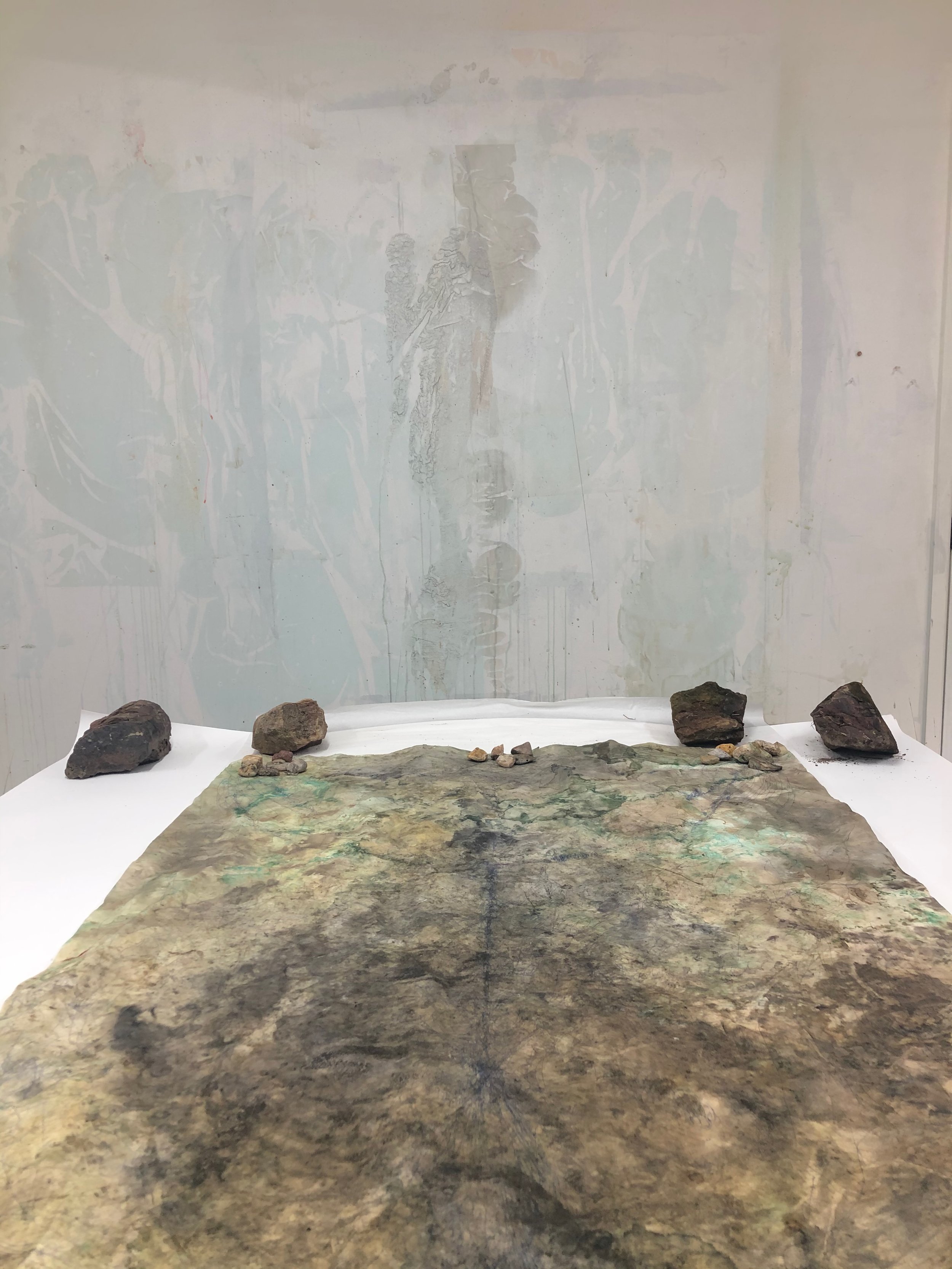
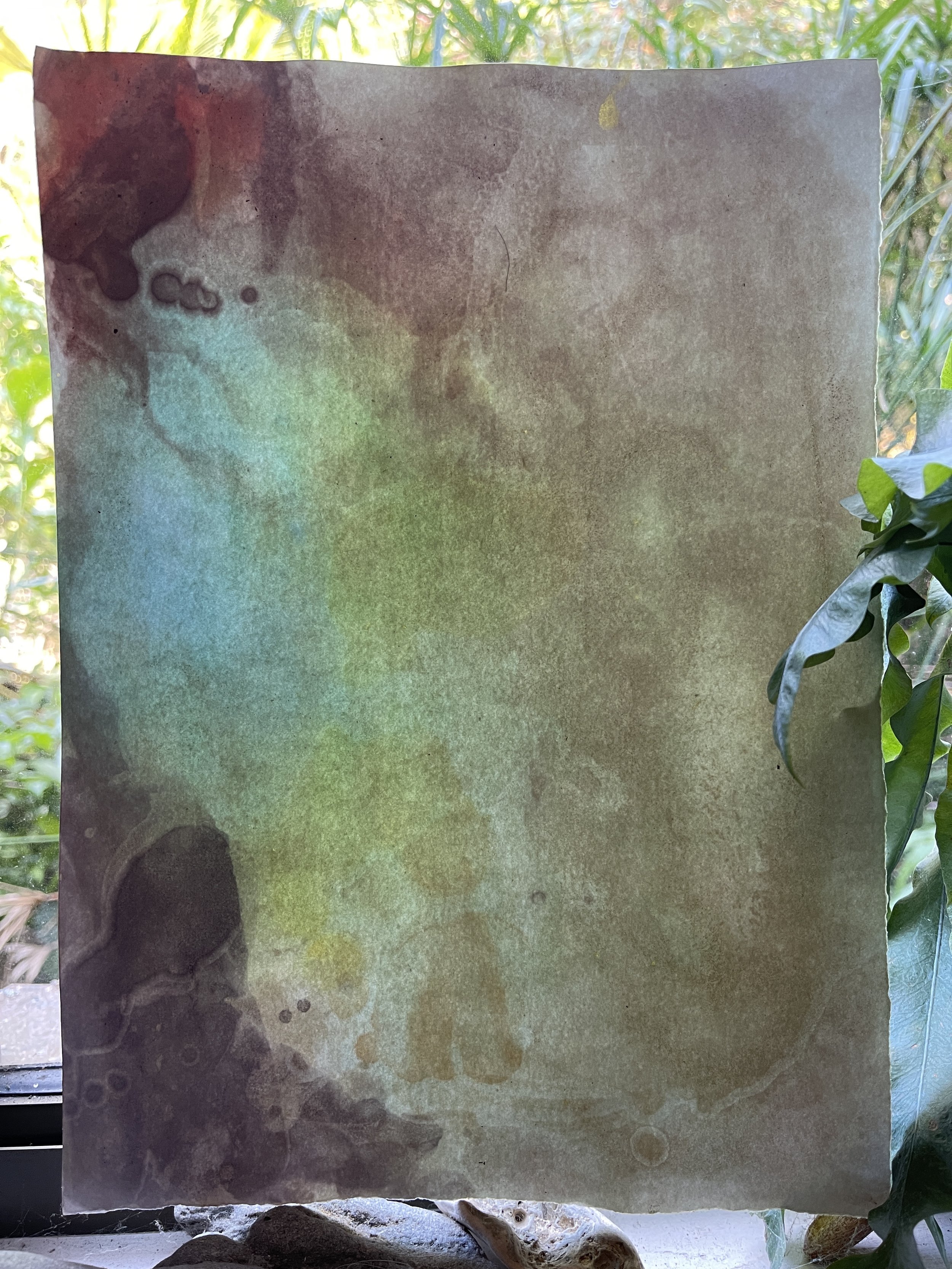
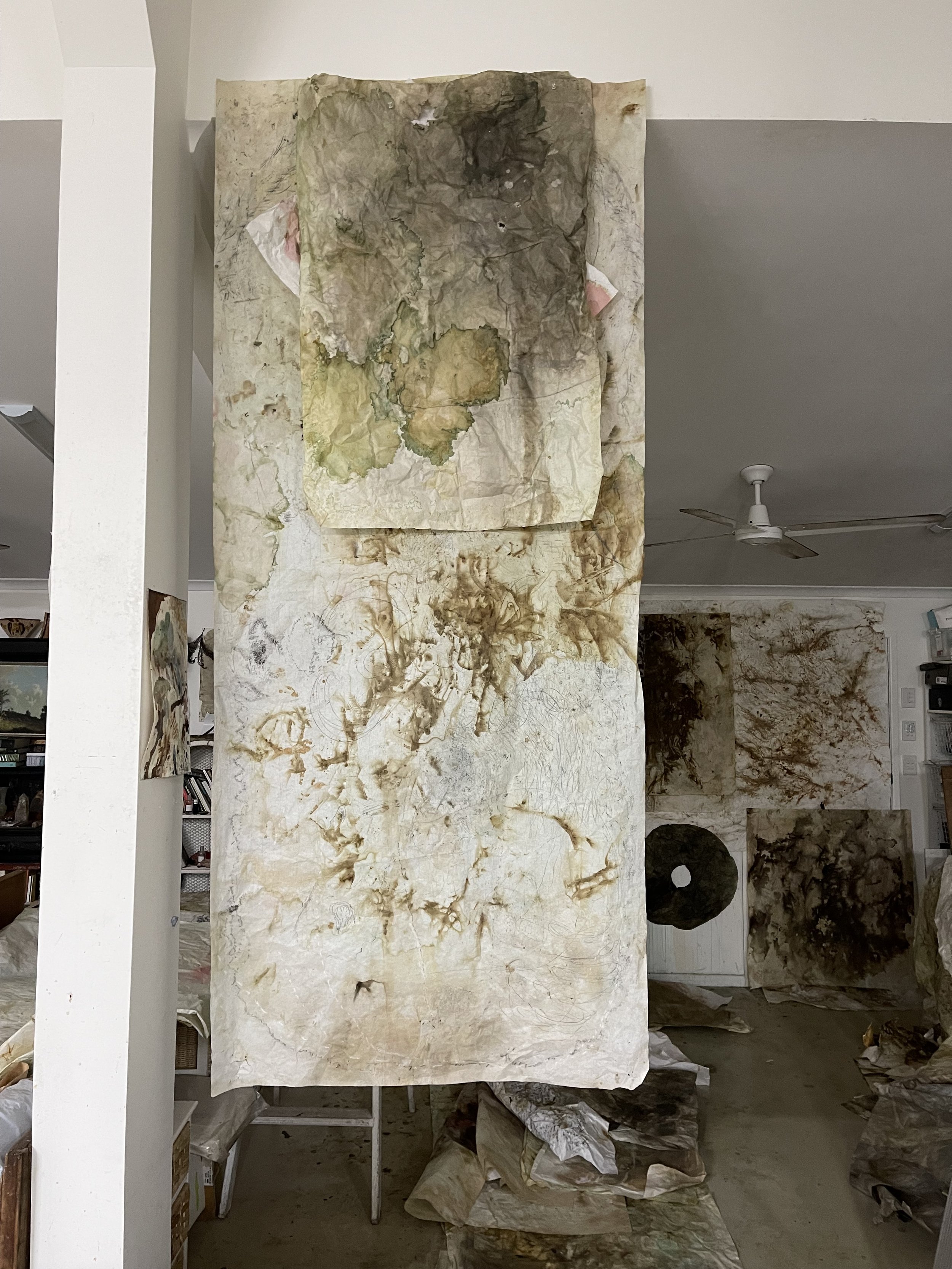
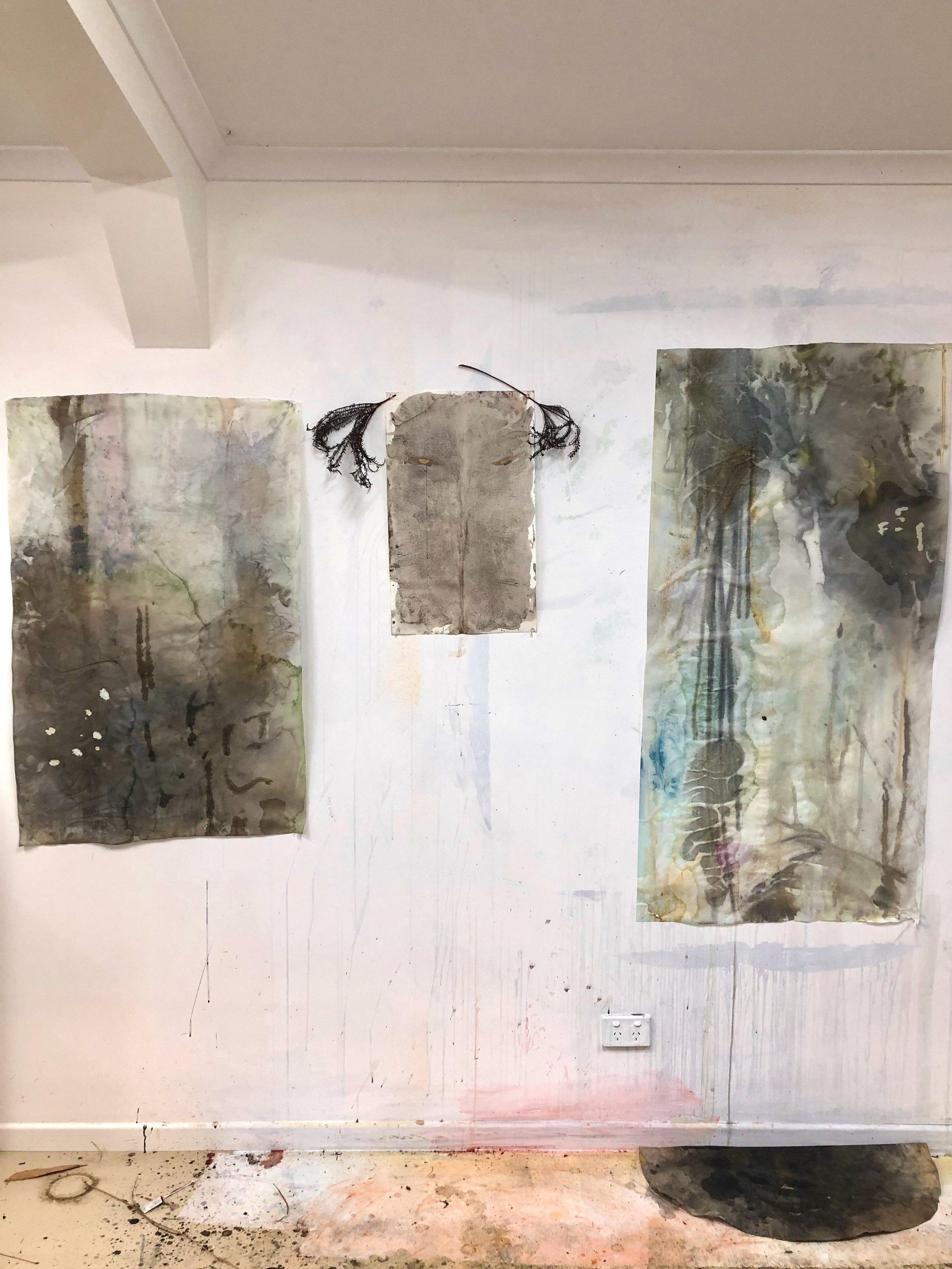
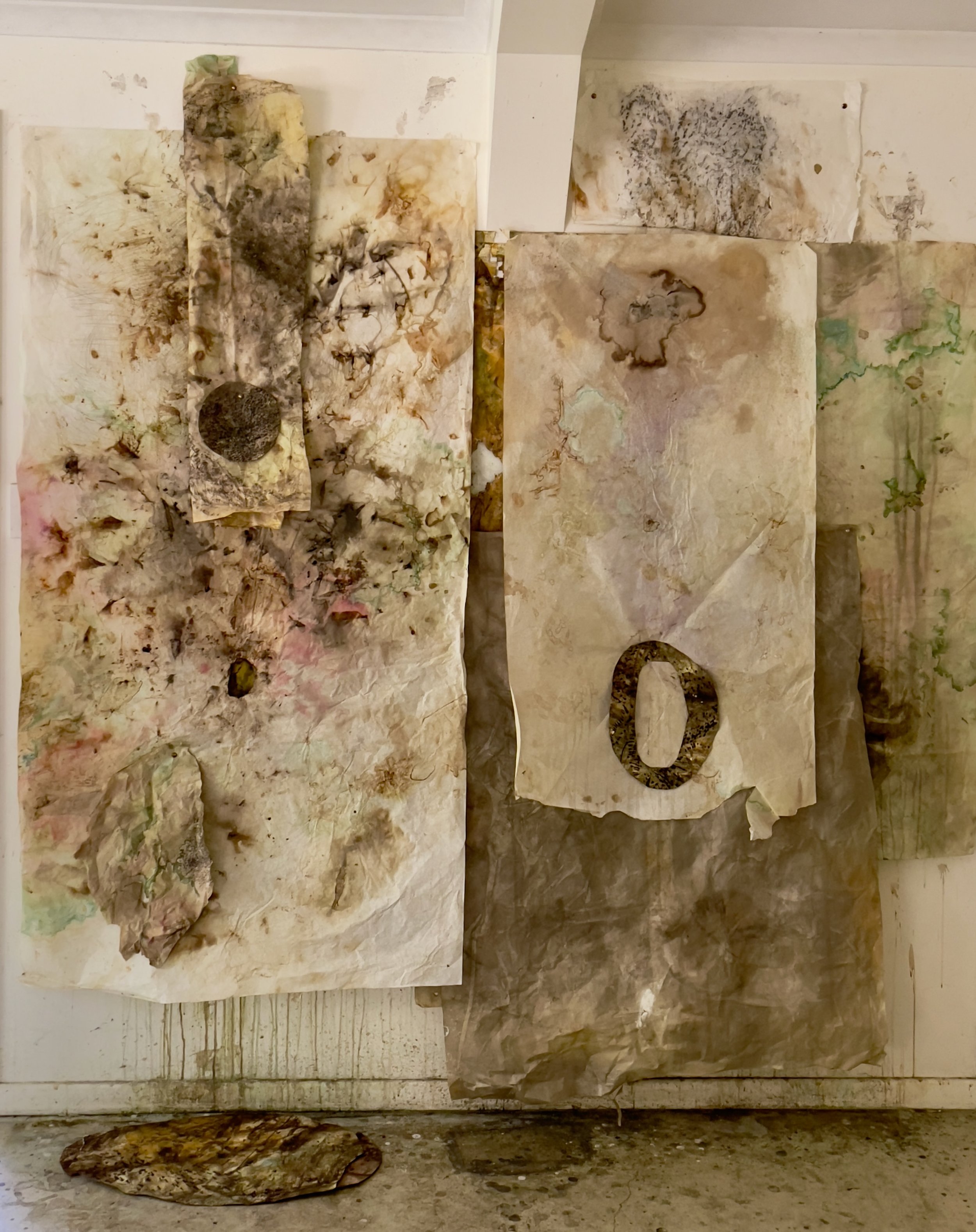
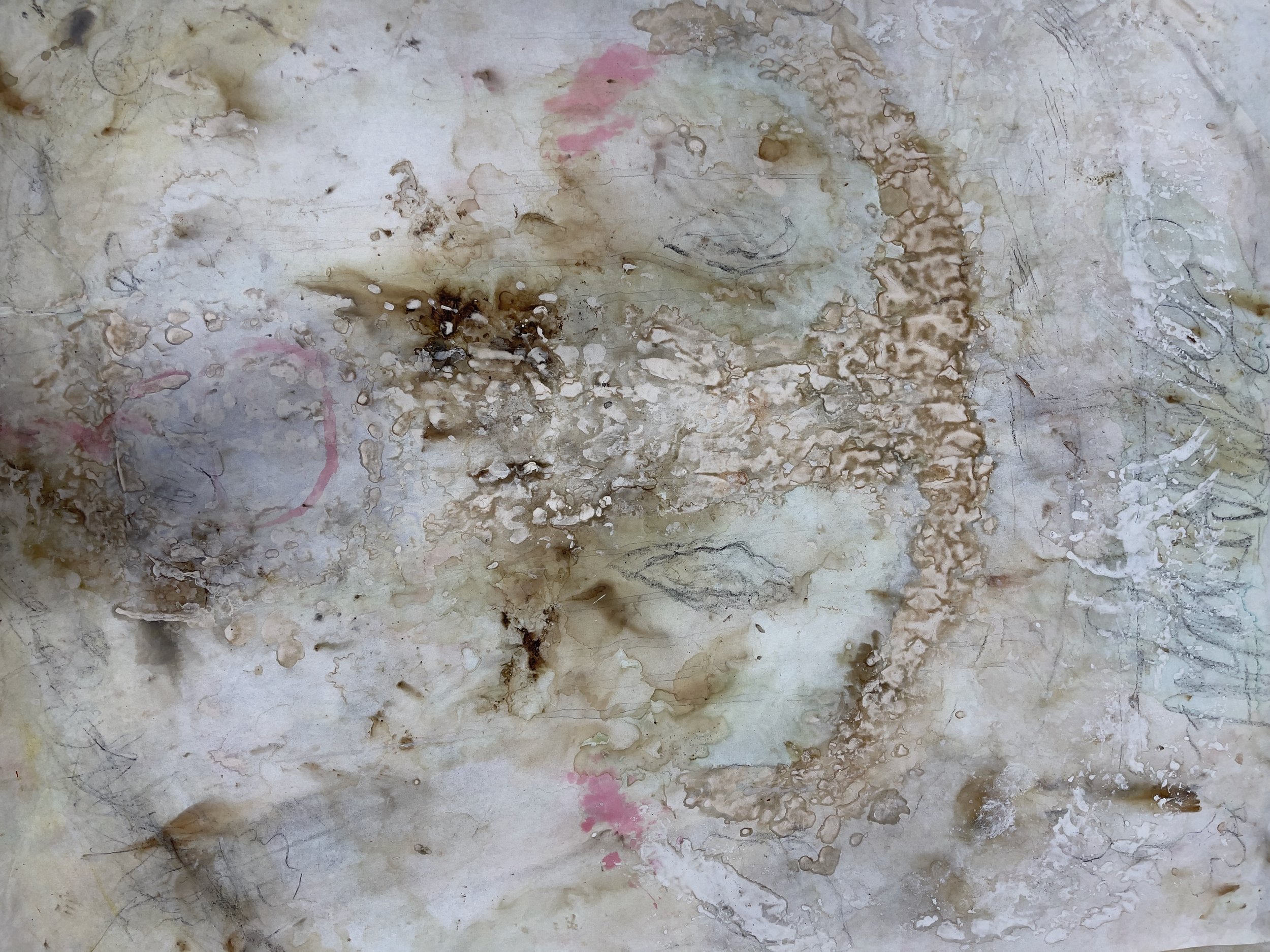
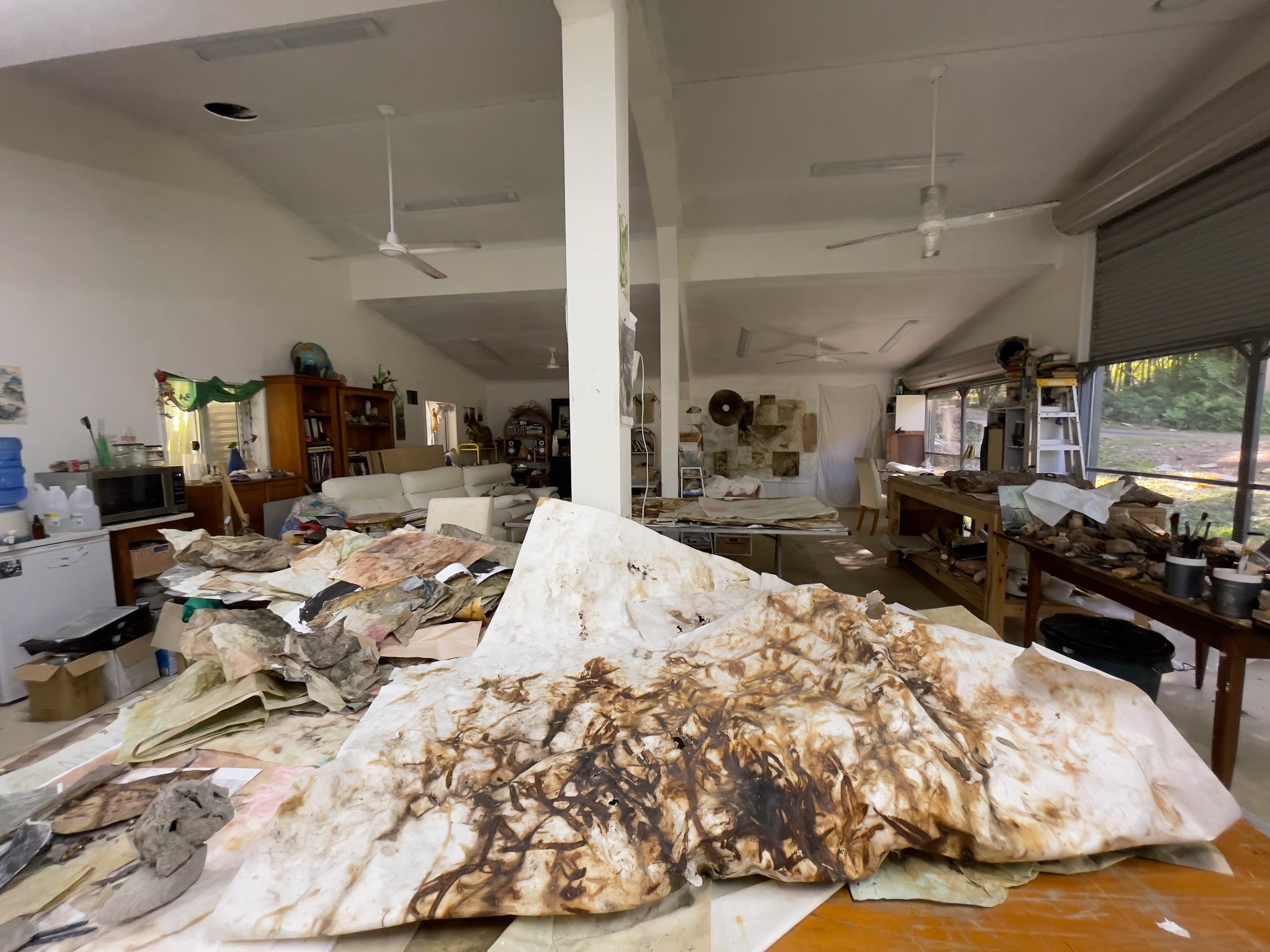
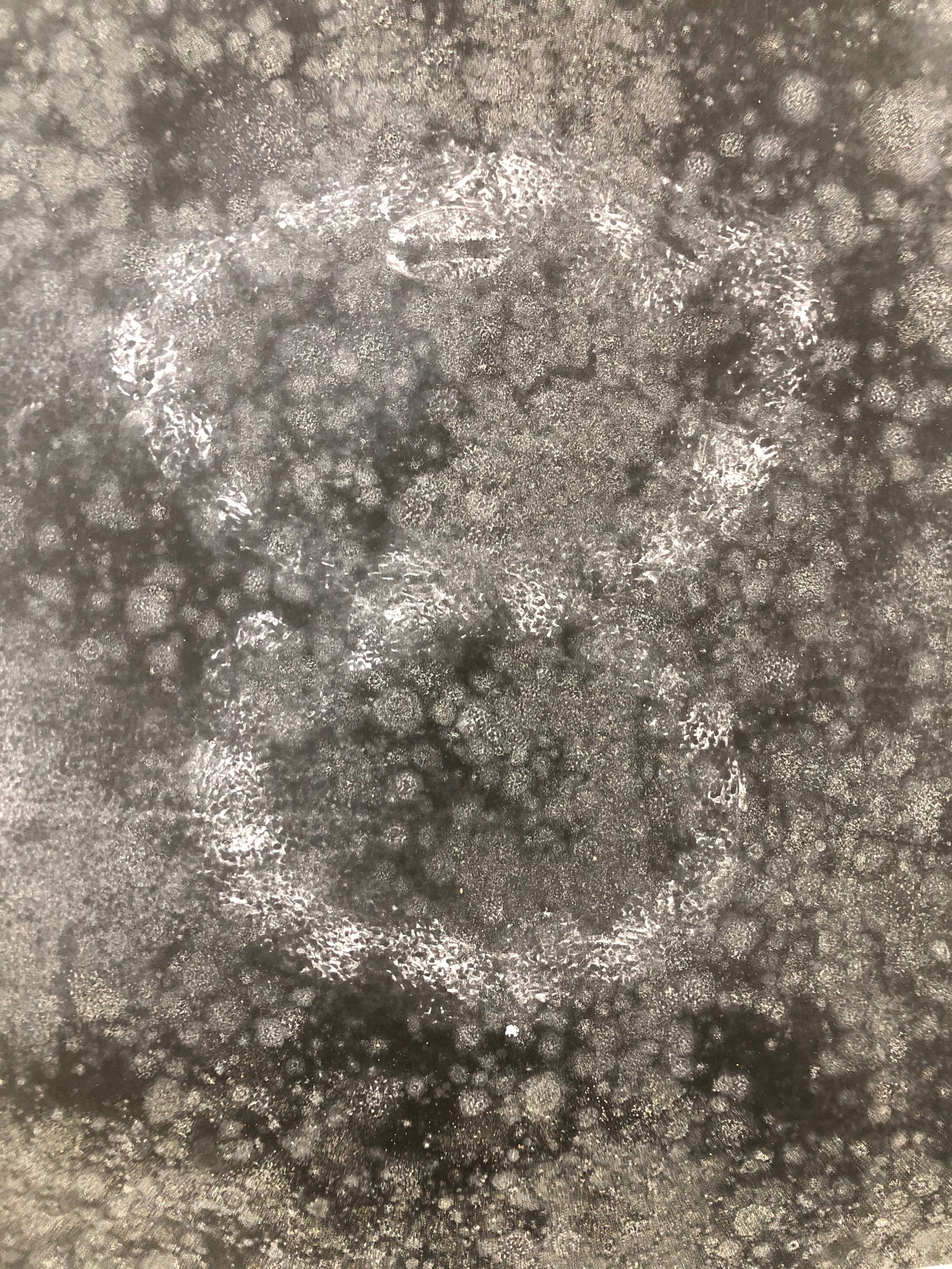
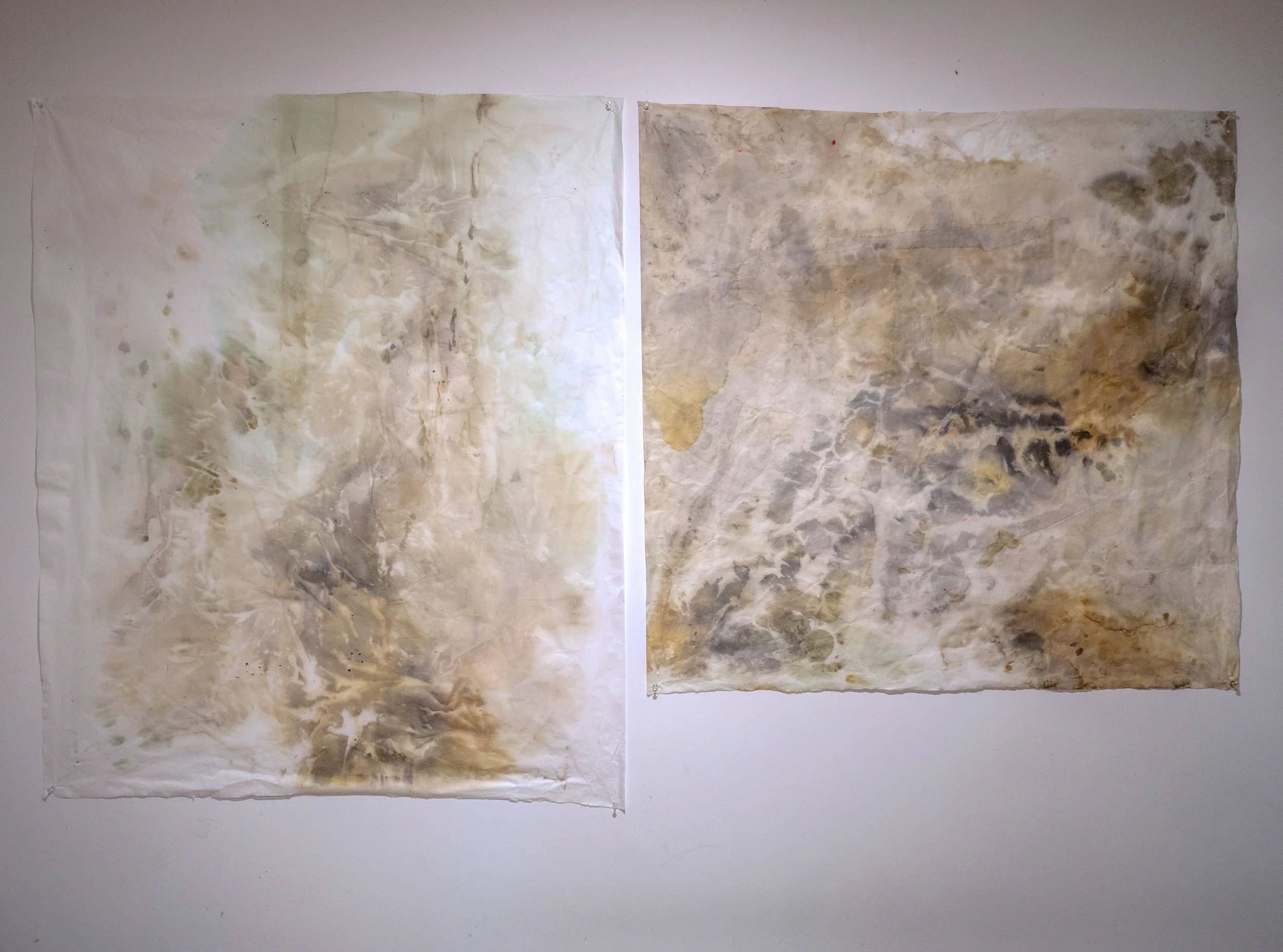
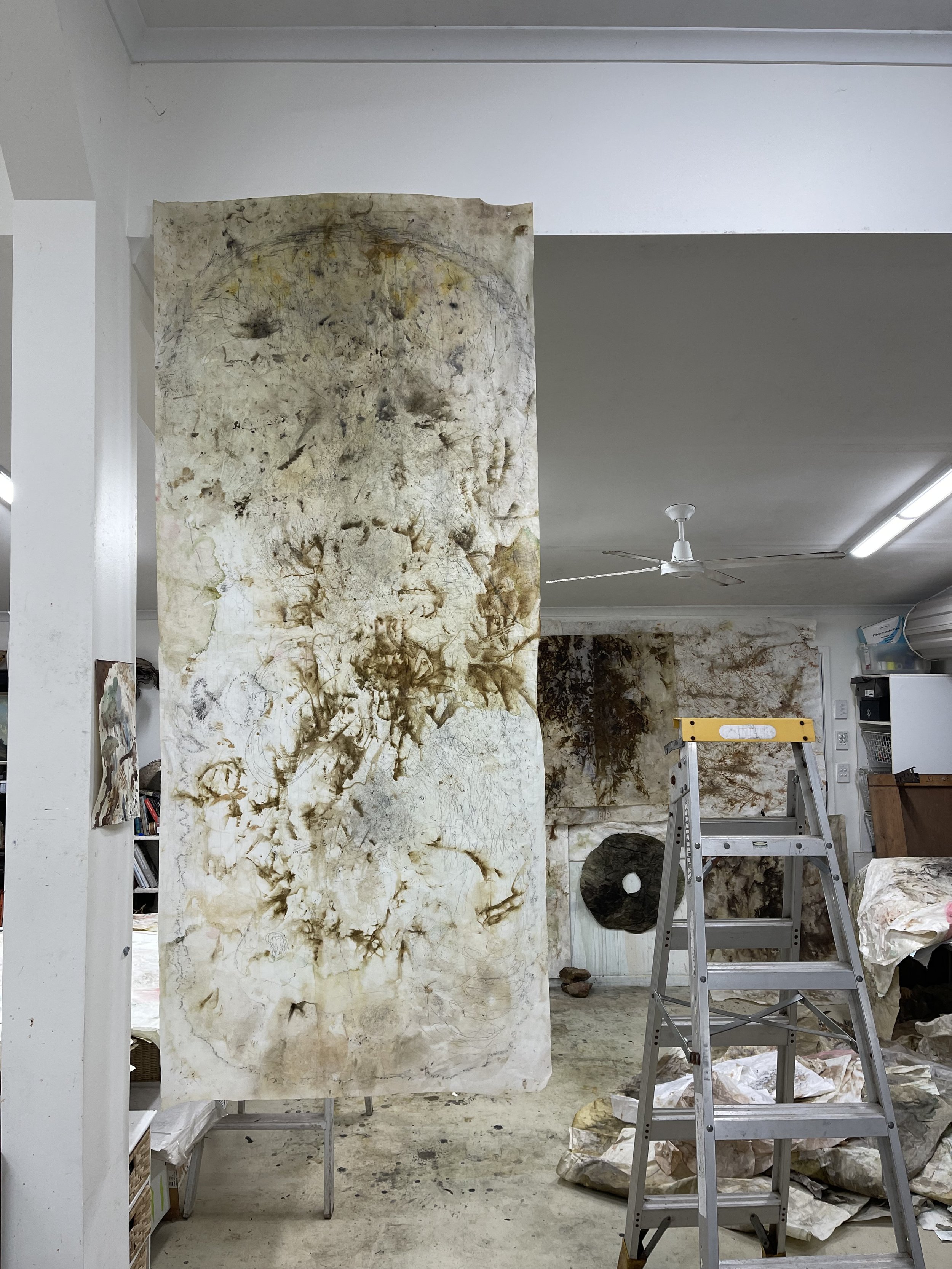
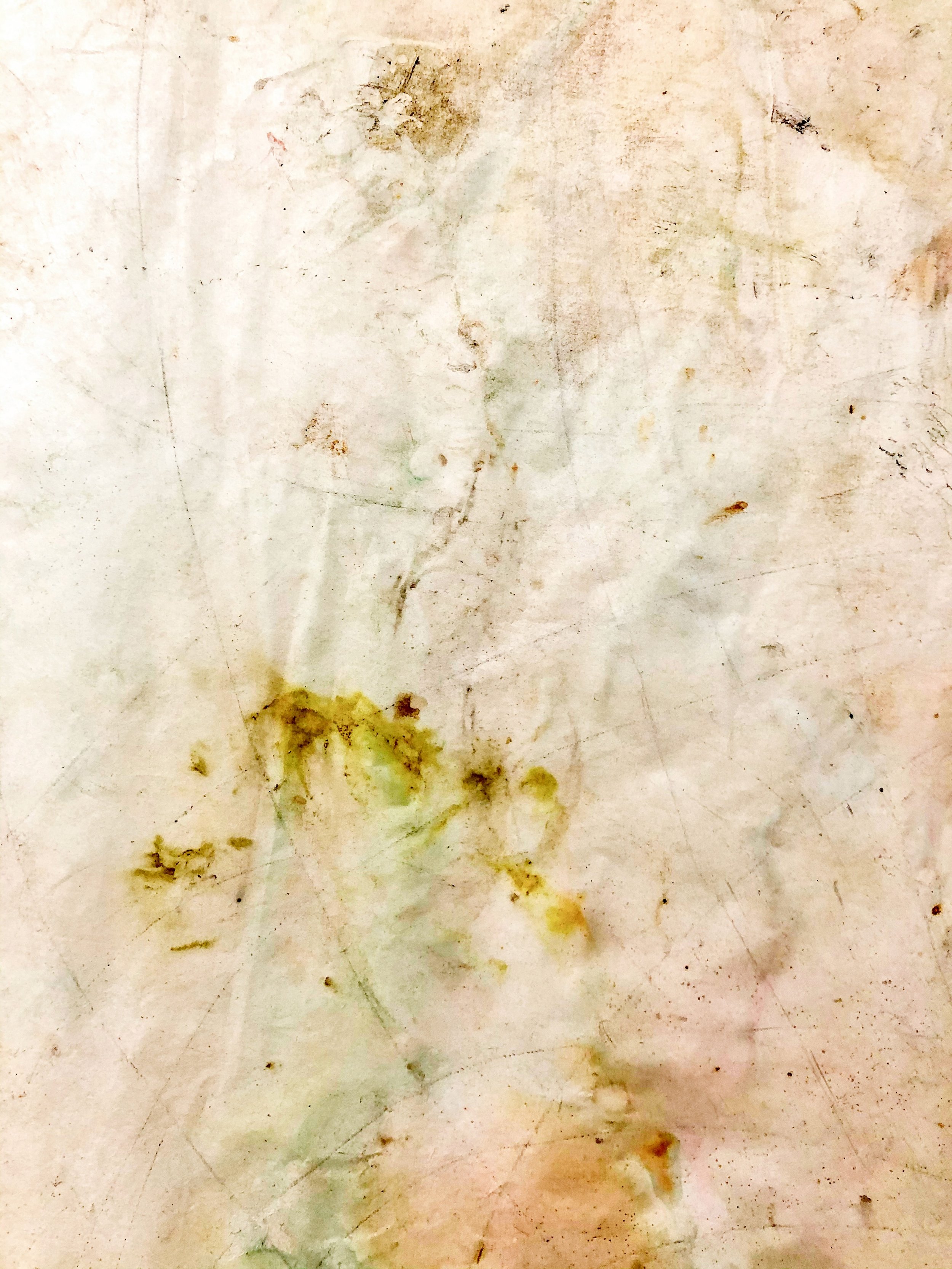
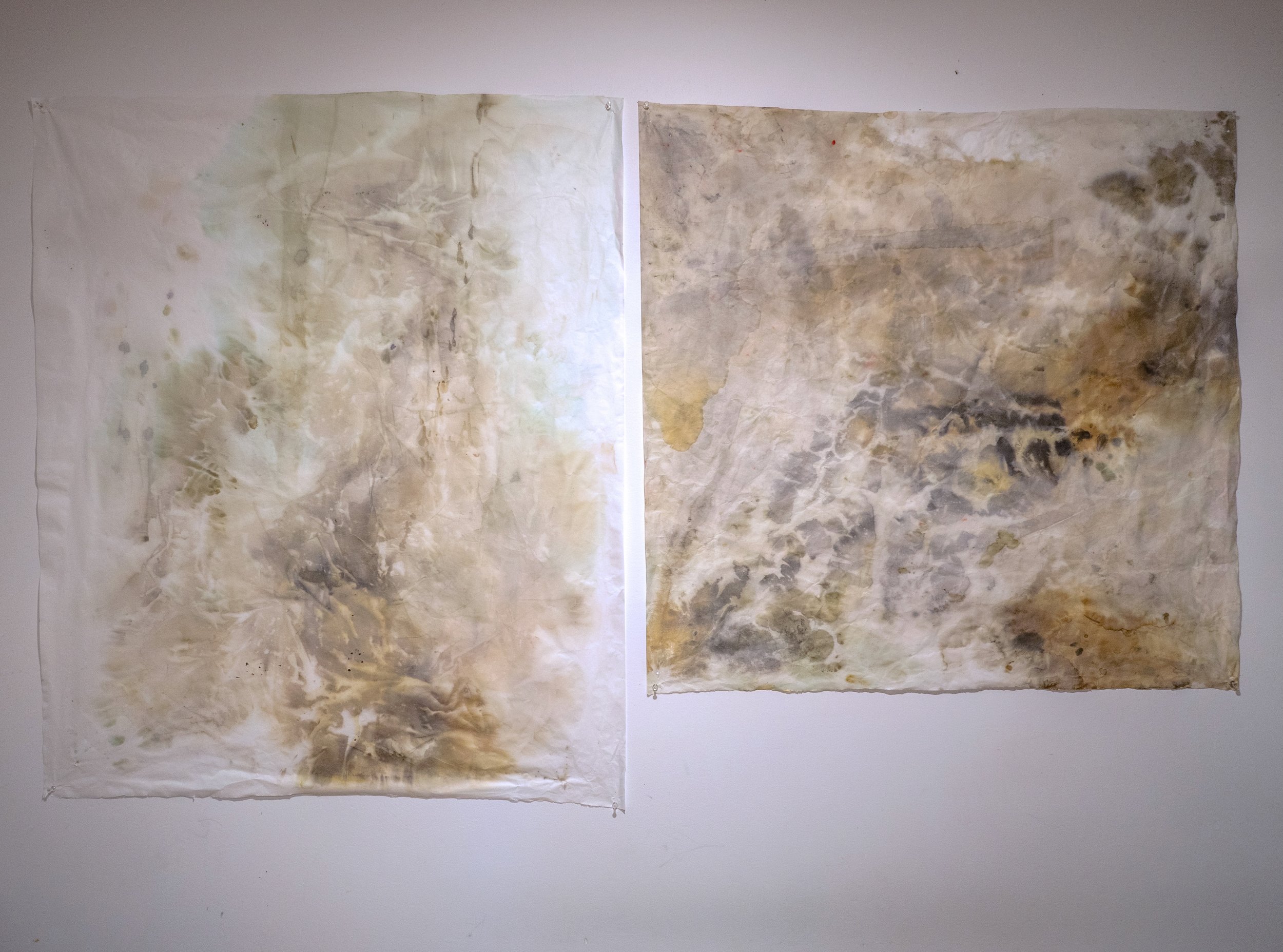
Mulberry bark paper becomes a site where bacterial, fungal, mineral and bodily chemistries meet. The works remain active after their making, continuing to grow, break down and shift over time. They function as living documents, each holding its own presence and internal climate.
Through this process, the body comes into view as negotiated territory rather than sovereign whole. Exchange includes care and risk, regulation and invasion, shelter and exposure. These conditions are lived rather than symbolic.
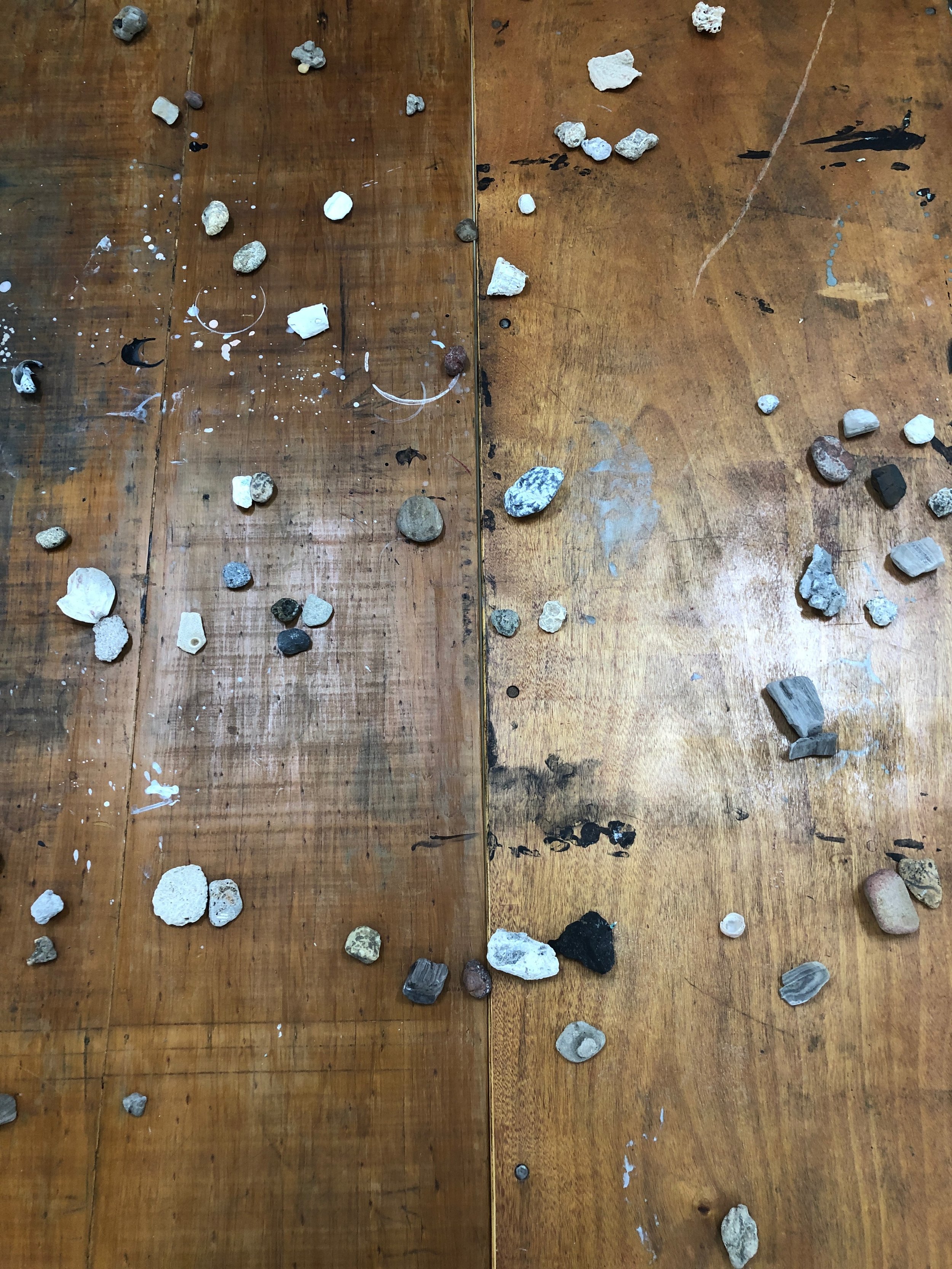
Microbial and material intelligences also fold time differently. Bacteria carry evolutionary memory. Charcoal carries forests across eras. Minerals hold the pressure of ancient seas. Matter appears not as inert present tense, but as layered ancestry.
The works operate through the same conditions they describe. They hold cooperation and competition at once, belonging as sustaining and unstable in equal measure.
It was pretty chaotic, or maybe there was microbial order, or even a transposon track…